
 Emma Jantzen
 The Ultimate Bourbon Trail Guide: Plan Routes, Tours, Tastings & Collector Tips
The Bourbon Trail is more than a string of distilleries — it’s a sensory road trip through mash bills, barrel warehouses, and Southern hospitality. Whether you’re a first-time sipper or a seasoned collector, a well-planned visit makes the experience richer and easier to navigate.
Plan your route and bookings
Start by mapping distilleries you most want to visit; there are official trails and craft circuits that cluster major names and smaller operations. Popular stops often require reservations for tours and tastings, so book ahead to secure preferred time slots. Aim for midweek or off-peak hours to avoid crowds and to get a more intimate look at production.
Many distilleries offer tiered experiences: standard tours for history and process, and premium tastings or rickhouse visits for rare pours.
Travel and logistics
Drive times between distilleries can be longer than they appear on a map—allow buffer time for traffic and tasting breaks. Designate a sober driver or hire a guided shuttle or private car service; rideshare options vary by area. Some tour companies bundle transportation, accommodations, and tastings into convenient packages if you prefer a hands-off approach.
What to expect on tours
Tours commonly include a walkthrough of the mash, ferment, and distill stages, plus a look at barrel warehouses. Guides explain mash bills, yeast strains, and how char levels and warehouse placement influence flavor. Tasting rooms range from casual counters to elegant bars where staff will lead you through vertical tastings or single-barrel selections.
Tasting etiquette and tips
Treat tastings like a tasting flight: look (color and legs), nose (aromas), and sip (small, attentive sips). Swirling and a few drops of water can open aromas and soften alcohol burn.
Palate cleansers like crackers or water help between pours. If offered, take notes — many visitors discover favorites they want to seek out later.
Buying and collecting bottles
Distillery-exclusive releases and single-barrel bottles are often available only on-site and may be limited in quantity. Many distilleries offer memberships or allocation clubs for collectors.
Be aware that shipping laws vary by state, so ask about delivery options before purchasing.
If a sought-after release isn’t available, staff can often suggest comparable bottlings.
Food, cocktails, and pairing
Bourbon’s sweetness and oak spice make it versatile with food.
Try caramel-forward bourbons with grilled meats or dark chocolate; spicier, rye-influenced bourbons pair well with smoked dishes. Classic cocktails like the Old Fashioned, Manhattan, and Mint Julep showcase different aspects of bourbon — neat tastings highlight subtleties, while cocktails show mixability.
Respect and sustainability
Follow each distillery’s policies on photography and access; rickhouses and production floors can have restricted areas. Many distilleries are moving toward sustainable practices such as water conservation, repurposing spent grains for livestock, and carbon reduction strategies — asking about their practices supports responsible tourism.
Make the most of the experience
Bring a valid ID, comfortable shoes for walking barrels and production floors, and a reusable water bottle. Download distillery apps or print a passport for stamp programs to track visits and redeem rewards.
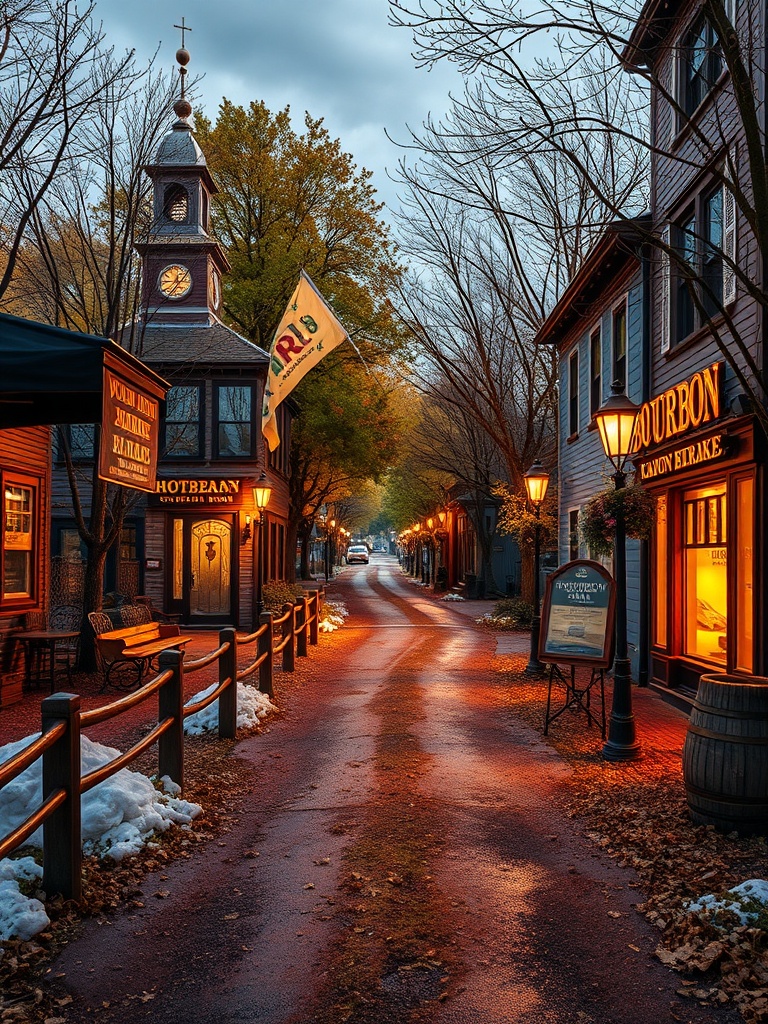
Chat with staff — the people who work at distilleries often share the best stories, tasting tips, and insider details about releases.
A Bourbon Trail trip is part history lesson, part tasting course, and entirely a chance to connect with craftsmanship and place. With a little planning and respectful curiosity, you’ll leave with new favorites, better tasting skills, and a deeper appreciation for what’s in the bottle.