
 Emma Jantzen
 Cajun Cooking Essentials: How to Master Roux, the ‘Holy Trinity,’ and Classic One-Pot Dishes
Cajun cooking is built on bold flavors, practical techniques, and a deep respect for local ingredients. Rooted in the resourceful kitchens of rural bayou communities, it’s a cuisine that transforms simple staples into dishes with big personality.
For home cooks looking to bring that smoky, savory charm to their table, mastering a few core elements unlocks the rest.
Foundations: roux, the “holy trinity,” and seasoning
A dark roux is the backbone of many Cajun dishes. Made by slowly cooking equal parts fat and flour until it reaches a peanut-butter to chocolate color, the roux adds both flavor and thickening power.
Patience is essential—stir constantly over medium-low heat to avoid burning. Use oil or clarified butter for higher heat tolerance; regular butter works for lighter roux.
The “holy trinity”—onion, bell pepper, and celery—serves as the aromatic base for gumbo, jambalaya, and étouffée. Chop them uniformly and sweat gently to release their sweetness without browning. From there, garlic, bay leaves, thyme, and parsley layer in classic herbal notes.
Cajun seasoning can be purchased, but a simple homemade blend elevates anything from proteins to roasted vegetables. A balanced mix of paprika, garlic and onion powders, black pepper, salt, cayenne, and dried thyme/oregano lets cooks dial heat and smokiness to taste.
Signature dishes and smart swaps
– Gumbo: A comforting stew that can be built on chicken and sausage, seafood, or a combination. Options for thickening include a dark roux, filé powder (ground sassafras), or okra—each contributing different textures and flavors. Finish gumbo over rice and garnish with green onions and hot sauce.
– Jambalaya: A one-pot rice dish with two approaches—tomato-based (Creole-style) or brown and richly caramelized (Cajun-style).
Start by browning meat and developing fond on the pan before adding rice and liquid to build depth.
– Étouffée: Typically made with shellfish smothered in a lighter roux-based sauce, served over rice for a silky, concentrated dinner.
Pro tips for dependable results
– Use a heavy-bottomed pot or cast-iron Dutch oven for even heat and better roux control.
– Toast spices briefly in the pan to wake up oils and intensify aroma.
– Control heat rather than racing the roux—burned flour tastes acrid and will ruin the base.
– If reducing sodium or spice, compensate with acid (a splash of lemon or vinegar) and fresh herbs to brighten flavors.
– For vegetarian adaptations, swap smoked tempeh or mushrooms for meats and use vegetable stock, and rely on darker roux and umami-rich seasonings to mimic depth.
Seafood and sustainability
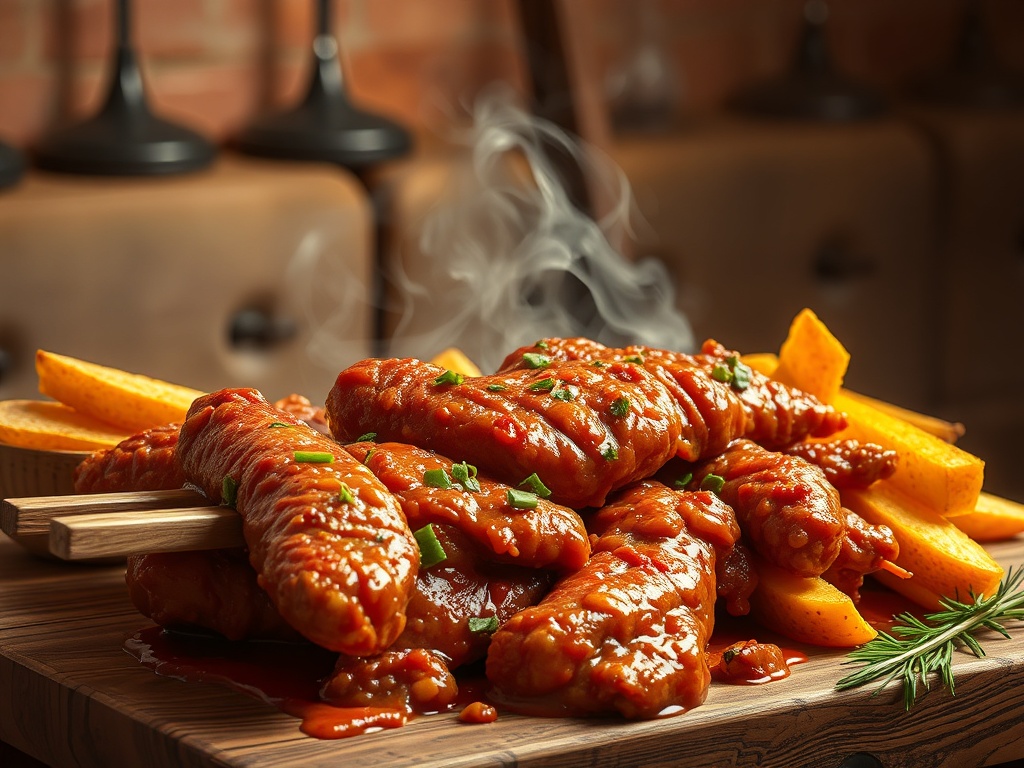
Cajun cuisine celebrates shrimp, crab, oysters, and fish from local waters.
Choose sustainable sources when possible and buy from reputable vendors. Frozen, flash-frozen seafood can be a high-quality alternative that reduces waste and offers convenience without sacrificing flavor.
Serving and pairing
Serve Cajun meals family-style with plain white rice, crusty bread, or cornbread to soak up sauces. For drinks, iced tea, light beers, or citrus-forward cocktails complement the spice without competing. Balance is key—let side dishes calm the heat and texture contrast brighten each bite.
Cajun cooking invites experimentation while honoring tradition.
Start by perfecting a roux and the holy trinity, build confidence with one-pot dishes, and adjust spices to suit your palate.
With a few well-chosen ingredients and steady heat, the bold comforts of Cajun cuisine are within reach of any home kitchen.