
 Emma Jantzen
 Cajun Cooking Essentials: Master Roux, the Holy Trinity & One-Pot Techniques
Cajun cooking is about bold flavors, practical techniques, and one-pot magic.
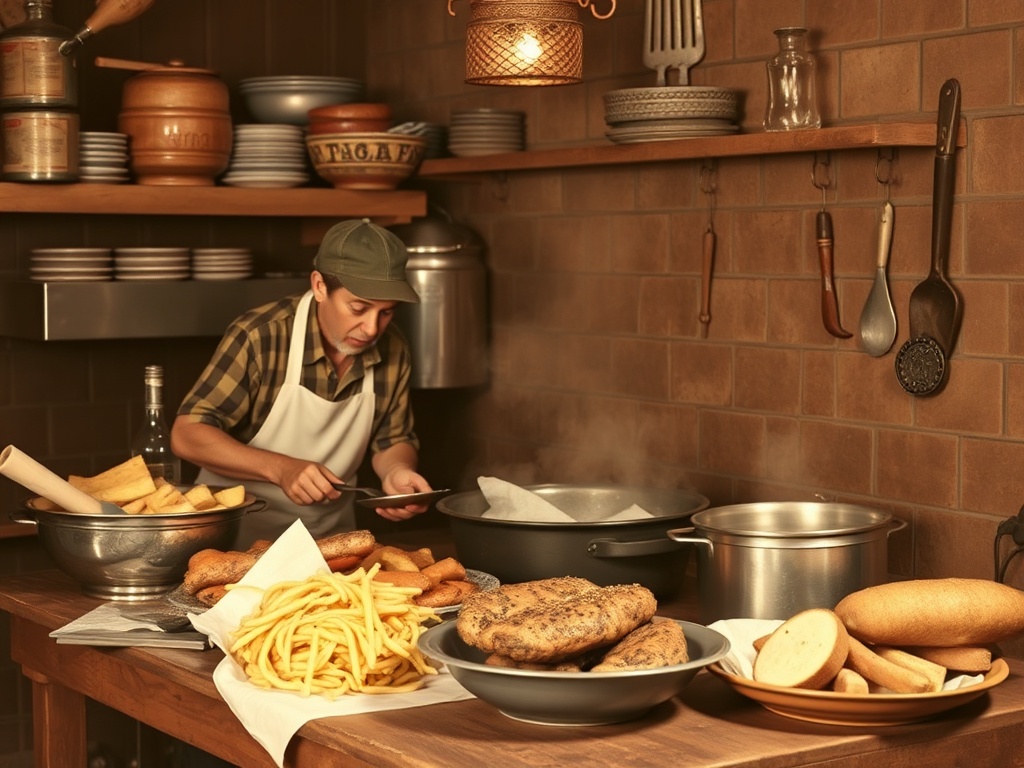
Rooted in rustic, resourceful kitchens, it turns simple pantry staples into dishes that are rich, smoky, and deeply satisfying. Whether you’re new to Cajun food or refining your technique, mastering a few core elements unlocks the cuisine’s full potential.
Core ingredients and pantry staples
– The holy trinity: onion, celery, and green bell pepper form the aromatic backbone of most Cajun dishes. Dice them finely and sweat them gently to build flavor.
– Roux: a cooked mixture of fat and flour that thickens and flavors gumbo and étouffée. Use equal parts fat (oil, lard, or butter) and flour by volume; cook slowly, stirring constantly, until you reach the desired color—lighter for stews, deep brown for richer gumbo.
– Proteins: shrimp, crab, catfish, and smoked sausages like andouille are staples. Seafood shines in quick-cooking dishes; smoked meats add depth to slow-simmered stews.
– Seasonings: paprika, cayenne, garlic powder, onion powder, thyme, and bay leaves. A balanced Cajun seasoning blends heat, smokiness, and savory notes without overwhelming the other ingredients.
– Thickeners: file powder (ground sassafras) and okra are traditional ways to finish a gumbo’s texture and add unique flavor.
Techniques that transform
– Roux mastery: patience is everything. Start over medium heat and keep whisking—don’t rush by cranking heat, which risks burning. If the roux tastes bitter, it’s burnt; start fresh.
– Layered cooking: saute the holy trinity, add proteins and liquid in stages, and finish with delicate ingredients like shrimp close to the end so they remain tender.
– Blackening: coat fish or chicken in a spice mix and sear in a very hot cast-iron skillet for a smoky, charred crust.
Use good ventilation—this technique produces fragrant smoke.
– Low-and-slow simmering: gumbos and braises benefit from gentle simmering to meld flavors.
Use a heavy-bottomed Dutch oven or cast-iron pot for steady heat.
Practical tips for home cooks
– Substitute smartly: if andouille is unavailable, choose another smoked sausage and boost spices for a closer flavor profile. For file powder substitutes, use okra or a cornstarch slurry for thickness, adjusting for taste.
– Balance heat: layers of spice are better than a single big dose. Start conservatively with cayenne and add after tasting.
– Rice matters: cook rice separately and keep it fluffy. Spoon gumbo over rice at the table so each portion stays just the right texture.
– Storage and reheating: many Cajun stews taste even better the next day as flavors continue to blend. Reheat gently to avoid overcooking seafood or breaking emulsions.
Serving and pairing
Cajun food is communal—serve large bowls of gumbo, plates of jambalaya, or a tray of blackened fish with simple sides like steamed greens, crusty bread, or potato salad. Crisp beers and citrus-forward cocktails complement the richer, spicy notes; simpler accompaniments let bold flavors shine.
Cajun cooking rewards curiosity and repetition.
Start with the holy trinity and a confident roux, taste as you go, and don’t be afraid to experiment with smoked meats and local seafood. The result is hearty, soulful food that’s both comforting and exciting.