
 Emma Jantzen
 Atlanta BeltLine Guide: Best Trails, Art, Food & Tips for First-Time Visitors
Atlanta’s BeltLine has become the city’s most talked-about urban makeover — a multiuse trail, park system, public art corridor, and development engine that reshaped how Atlantans move, gather, and play.
Stretching as a continuous loop around the core of the city, the BeltLine connects neighborhoods, business districts, and cultural hubs, making it an essential stop whether you live here or are just passing through.
What the BeltLine offers
– Trails and parks: Paved paths and green spaces invite walkers, joggers, and cyclists. Sections range from leafy, park-like stretches to vibrant, urban corridors lined with shops and restaurants.
Small pocket parks and larger community greenspaces create places to pause and people-watch.
– Public art: Murals, sculptures, and rotating installations turn the route into an open-air gallery. Local artists often use the BeltLine as a canvas, making each visit feel fresh.
– Food and retail clusters: The BeltLine threads past popular destinations like food halls, coffee shops, and markets. You’ll find casual bites, craft coffee, and chef-driven restaurants within easy walking distance of trailheads.
– Events and programming: Outdoor fitness classes, music performances, and pop-up markets are common. Neighborhood associations and arts organizations regularly program activities that bring different communities together.
Where to start
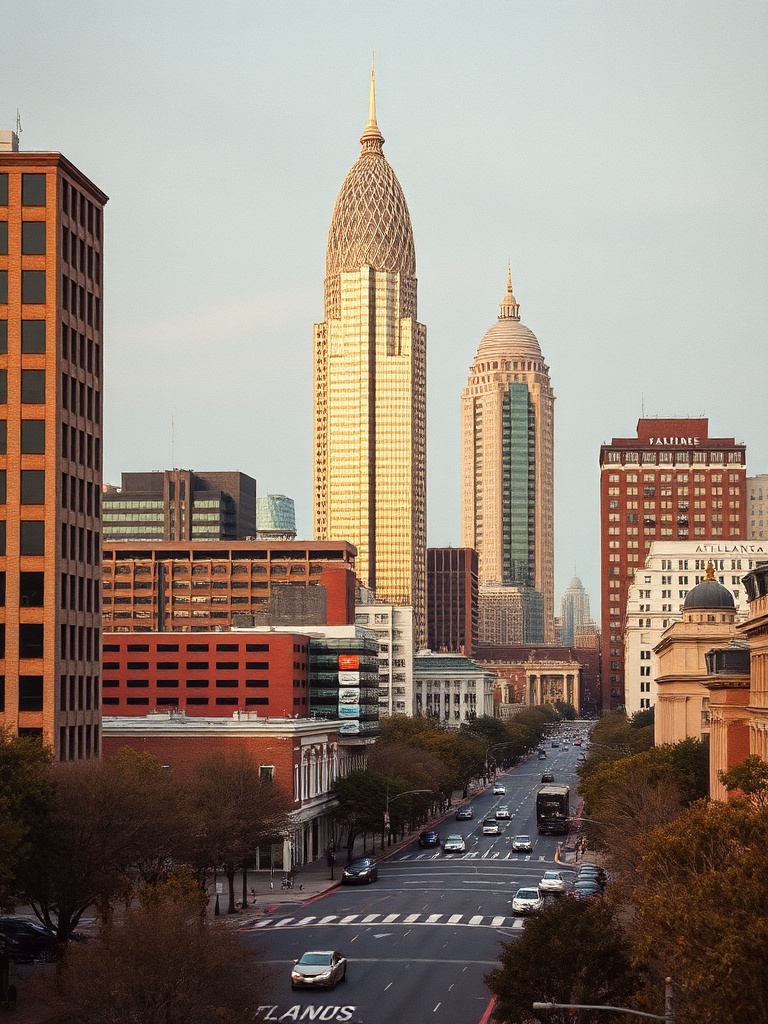
Popular access points include well-trafficked trailheads where bike rentals, parking, and nearby dining make a visit easy to plan.
Connecting neighborhoods offer distinct vibes — from energetic nightlife and dining scenes to more residential, tree-lined stretches. Use transit to avoid parking hassles; several MARTA stations are convenient jump-off points for BeltLine access.
What to expect on busy days
Weekends and pleasant weather draw crowds. Expect families, dog walkers, runners, and cyclists sharing the same space. If you prefer quieter time, aim for weekday mornings or later evening strolls. Wear comfortable shoes, bring water, and be mindful of bike lanes and one-way sections.
Community impacts and challenges
The BeltLine has spurred new development and greater connectivity, but it’s also prompted discussions about affordability and displacement. Community advocates, nonprofit partners, and city planners continue working on strategies to preserve neighborhood character while expanding access to parks, transit, and housing for longtime residents.
Tips for first-time visitors
– Plan a route: Pick a section that fits the time you have.
Short, scenic loops are ideal for sampling multiple neighborhoods.
– Combine activities: Pair a walk with a stop at a nearby market or a rooftop view to get a fuller sense of Atlanta’s urban fabric.
– Rent a bike or bring a scooter: Many stretches are bike-friendly and faster to cover on two wheels.
– Respect art and private property: Enjoy public installations, but don’t touch or deface them.
– Stay aware: Keep valuables secure and be alert when navigating busy intersections or crossing streets.
Why the BeltLine matters
It’s more than a trail — it’s a connective spine that supports community, commerce, and creativity. For visitors, it offers an efficient way to explore a range of neighborhoods in one outing. For locals, it provides daily recreation and a platform for civic life and cultural expression.
If you haven’t explored the BeltLine yet, put it on your list. Whether you’re chasing murals, sampling local food, or enjoying a leisurely walk, it’s one of the best ways to experience the dynamic, evolving character of Atlanta.