
 Emma Jantzen
 Bayou Life: A Visitor’s Guide to Wildlife, Cajun Culture, and Responsible Ecotourism
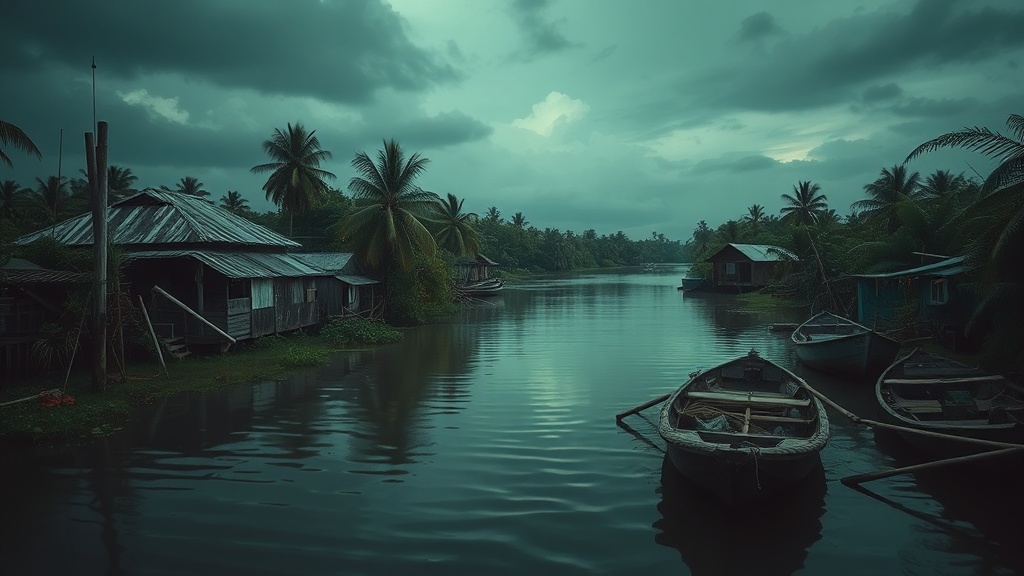
Bayou life blends wild wetlands, resilient communities, and a slow rhythm that invites visitors to slow down and listen. From the moss-draped cypresses to the call of night herons, the bayou offers a sensory-rich experience that’s both timeless and constantly changing.
A living wetland: ecology and wildlife
The bayou functions as a dynamic wetland where fresh and brackish waters mix, creating habitat variety that supports abundant wildlife. Wading birds—egrets, herons, and ibis—patrol shallow edges while ospreys and swallows hunt overhead. Beneath the surface, catfish and bass navigate submerged roots, and shrimp and crawfish are essential parts of aquatic food webs and local diets. Alligators sun on banks or glide silently through channels, a reminder of the wild balance that shapes daily life here.
Vegetation like bald cypress, tupelo, and marsh grasses plays a crucial role: filtering water, stabilizing sediment, and buffering coastlines. Where marshland is intact, it reduces flood damage and supports fisheries that local economies depend on.
Culture, cuisine, and community rhythms
Bayou culture is defined by interdependence with the land and water.
Fishing, trapping, and small-scale farming are woven into family traditions. The culinary scene reflects this: gumbo, jambalaya, and a boil of fresh crawfish showcase the bayou’s bounty. Music—especially zydeco and Cajun fiddling—often accompanies gatherings, where stories and recipes are passed down across generations.
Language, crafts, and festivals celebrate regional identity while welcoming newcomers.
Small towns and fishing camps maintain a warm, practical hospitality that emphasizes sharing food, weather forecasts, and navigational tips for the waterways.
Experiencing the bayou responsibly
Canoeing or paddling along narrow channels is one of the most immersive ways to experience the bayou’s quiet passages. Guided boat tours provide local knowledge about wildlife habits, historic sites, and safety around tides and submerged obstacles. Birdwatching from roadside platforms or kayak pulls yields excellent sightings during early morning and late afternoon.
Visitors should follow simple guidelines: stay on designated trails and channels, respect private property, keep a safe distance from wildlife, and never feed alligators. Mosquito repellent, sun protection, waterproof footwear, and a dry bag for electronics make outings more comfortable.
Conservation and resilience
The bayou faces persistent challenges from coastal erosion, subsidence, saltwater intrusion, and changing storm patterns. Restoration efforts combine marsh rebuilding, controlled sediment diversions, and living shoreline approaches.
Local residents, scientists, and nonprofit organizations collaborate on habitat restoration, fisheries management, and community planning to enhance resilience while preserving livelihoods.
Supporting responsible ecotourism and local fisheries helps sustain conservation work. Purchasing from local markets, hiring local guides, and contributing to community-led restoration projects all channel resources back into the places and people that maintain bayou life.
Practical tips for planning a visit
– Choose guided excursions to gain safety and cultural insight.
– Time outings for dawn or dusk for the most active wildlife viewing.
– Bring binoculars and a camera with a zoom lens for bird and animal sightings.
– Pack reusable water and minimize plastic waste to protect waterways.
– Ask about local harvest seasons and buy fresh catches directly from fishers when possible.
The bayou remains a place where ecology and culture are inseparable: a living landscape shaped by water, weather, and human hands.
Paying attention, moving slowly, and supporting conservation-minded practices lets visitors enjoy its beauty while helping ensure it endures.