
 Emma Jantzen
 The Ultimate Gulf Seafood Guide: How to Buy, Store, and Cook Shrimp, Oysters, and Snapper Safely and Sustainably
Gulf seafood is prized for its bold flavor, variety, and culinary versatility. From plump shrimp and briny oysters to firm-fleshed snapper and delicate scallops, the Gulf offers a seafood lineup that chefs and home cooks return to again and again. Knowing how to buy, store, and prepare Gulf catches — and how to choose them responsibly — makes a big difference for taste, health, and the region’s fisheries.
What’s popular and why it matters
– Shrimp and oysters are among the most popular Gulf items: shrimp for quick, crowd-pleasing dishes; oysters for raw bars, grilling, or stews.
– Reef-associated fish like red snapper and grouper deliver meaty fillets suited to grilling and pan-searing.
– Small, sustainable options—clams, cockles, and small pelagic fish—can be both eco-friendly and economical.
Choosing seafood with confidence
– Look for traceability and labeling: reputable suppliers will share harvest method and harvest location. Programs that tag wild-caught Gulf fish help verify origin.
– Fresh whole fish should have clear eyes, bright gills, and firm flesh. Fillets should smell mildly briny, not fishy.
– Shellfish should arrive cold, with shells closed or closing when tapped; discard any with open shells that don’t close.
– Ask your fishmonger about seasonal advisories like red tide or temporary closures; local health departments publish these updates regularly.
Sustainability and safety considerations
– Many Gulf fisheries are managed with quotas, size limits, and seasonal closures to protect stocks. Choosing well-managed species supports long-term availability.
– Harmful algal blooms can affect shellfish safety and local air quality; check local advisories before buying or harvesting.
– Some large predatory fish can have elevated mercury levels.
Opt for lower-mercury Gulf choices like shrimp, oysters, clams, and small snapper when planning frequent consumption. Vulnerable groups should avoid raw shellfish and high-mercury species.
Storage and simple handling tips
– Keep seafood cold from purchase to plate: transport on ice and refrigerate immediately. Use fresh fish within a couple of days; freeze for longer storage, tightly wrapped to prevent freezer burn.
– Shuck oysters just before serving, or buy pre-shucked that have been refrigerated and properly labeled.
– When in doubt, ask the seller for harvest date and cold-chain details.
Quick cooking ideas that highlight Gulf flavor
– Blackened or grilled snapper with lemon and a herb finish preserves the fish’s firm texture.
– Classic Gulf shrimp boil: steam shrimp with corn, potatoes, smoked sausage, and Old Bay-style seasoning.
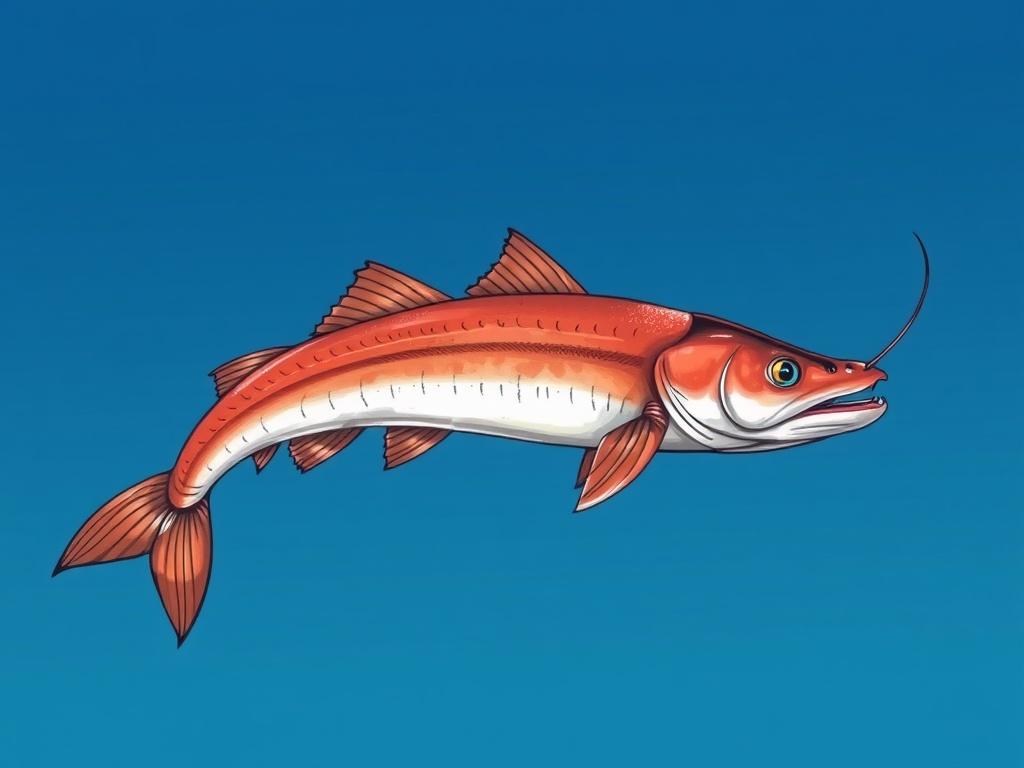
– Raw or charred oysters with mignonette or a citrus squeeze showcase brininess; cook oysters for those who prefer lower risk.
– Pan-seared grouper or snapper with a browned butter-caper sauce elevates weeknight dinners.
Where to learn more
Check regional seafood guides and traceability programs for up-to-date recommendations on sustainability and safety. Local fish markets and cooperative extension services are also good sources for advisories and handling guidance.
Choosing Gulf seafood thoughtfully rewards both the palate and the coastal communities that depend on healthy fisheries.
Prioritize freshness, traceability, and reputable suppliers, and you’ll enjoy the best the Gulf has to offer while supporting responsible seafood practices.