
 Emma Jantzen
 Magnolia Trees: Best Varieties, Planting Tips & Care Guide
Magnolia trees deliver dramatic blooms, lush foliage, and year-round structure, making them standout specimens for both formal and casual landscapes.
Whether you’re drawn to the iconic large white flowers of evergreen varieties or the delicate cup-shaped blooms of deciduous species, understanding the best practices for selection, planting, and care will help these trees thrive.
Why magnolias are popular
Magnolias combine visual impact with fragrant flowers that attract pollinators. Many species offer glossy evergreen leaves, while others provide a spectacular spring display. Their adaptability to a range of climates and soil types—when matched with the right cultivar—makes them a versatile choice for homeowners, designers, and public spaces.
Choosing the right variety
– Evergreen vs.
Deciduous: Evergreen magnolias (such as the classic southern types) are prized for winter foliage and large, fragrant blooms.
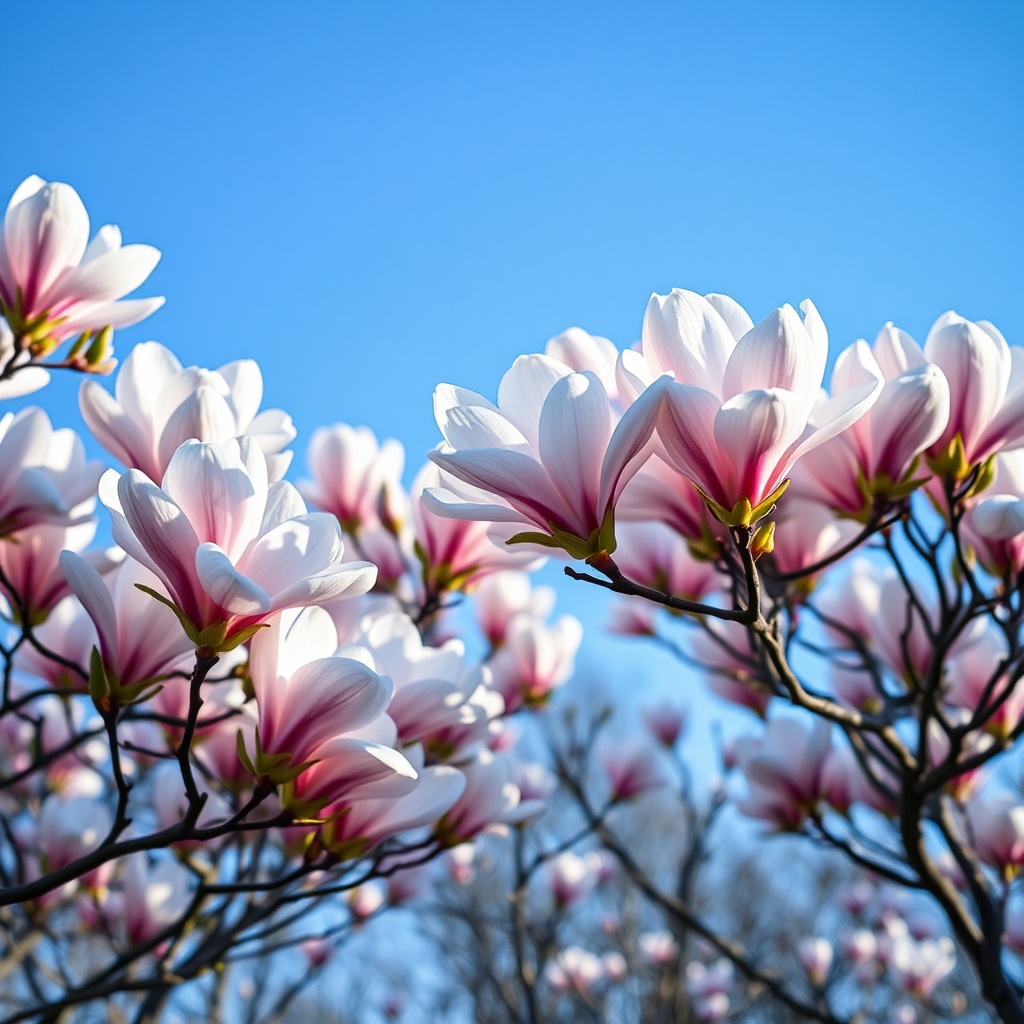
Deciduous magnolias (like saucer and star types) often produce early-season flowers on bare branches, creating a striking display.
– Size: Select a cultivar that fits the intended space. Some magnolias remain small enough for narrow gardens, while others develop into large shade trees.
– Flower form and fragrance: Petal size, color (white, pink, purple), and scent vary widely—choose based on personal preference and garden style.
– Disease-resistant cultivars: Look for selections noted for resistance to common issues such as fungal leaf spots or scale.
Planting and site selection
Magnolias prefer rich, well-draining soil and benefit from slightly acidic conditions.
Pick a site with:
– Adequate space for mature canopy spread
– Protection from harsh winds and late frosts (which can damage early blooms)
– Morning sun with some afternoon shade in hot climates; many species will tolerate full sun if soil moisture is consistent
Planting tips
– Dig a hole twice as wide and no deeper than the root ball to prevent settling.
– Backfill with native soil mixed with organic matter; avoid over-amending the hole, which can create a “pot” effect.
– Mulch to retain moisture and moderate soil temperature, keeping mulch a few inches away from the trunk.
– Water deeply after planting and maintain consistent moisture during establishment.
Maintenance and pruning
Magnolias require minimal pruning—shape lightly after flowering and remove dead or crossing branches.
Heavy pruning can stimulate vigorous shoots and compromise the natural form. Fertilize sparingly with a balanced, slow-release formula if growth seems weak, and consider a soil test to guide applications.
Common pests and diseases
– Scale insects and thrips can affect foliage; monitor and treat with horticultural oil where appropriate.
– Armillaria and root rot can be problematic in poorly drained sites; proper site selection and avoiding overwatering help prevent these issues.
– Leaf spots and powdery mildew are usually cosmetic; promote air circulation and avoid overhead irrigation to reduce incidence.
Propagation and landscaping uses
Magnolias can be grown from seed, cuttings, or grafting—commercial cultivars are often grafted to ensure true-to-type flowers. Use magnolias as specimen trees, understorey canopy, or screened hedges (for evergreen types).
They pair well with spring bulbs, shade-tolerant perennials, and acid-loving shrubs.
With thoughtful selection and basic care, magnolia trees become long-lived focal points that enhance biodiversity, provide seasonal interest, and add timeless beauty to any garden.