
 Emma Jantzen
 Explore the Carolina Lowcountry: Marshes, Gullah Geechee Culture & Sustainable Travel Tips
The Carolina Lowcountry is a landscape of long horizons, salt-scented air, and a culture shaped by marshes, barrier islands, and centuries of human history. Stretching along the Atlantic coast, this region is prized for its live oaks draped in Spanish moss, tidal creeks threaded through salt marshes, and a pace of life that blends outdoor adventure with deep-rooted traditions.
Landscape and wildlife
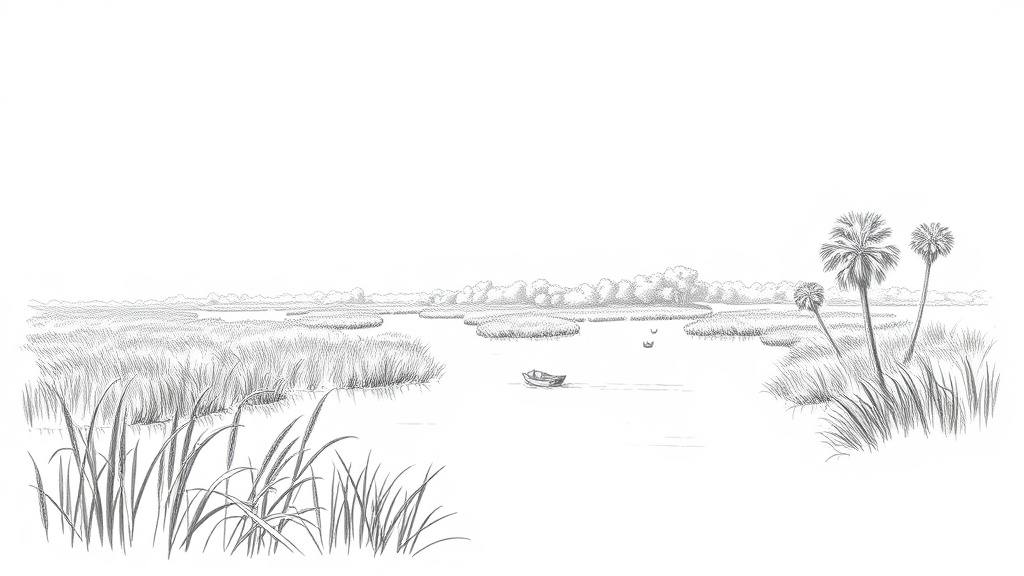
Salt marshes are the backbone of the Lowcountry ecosystem. These tidal wetlands act as nurseries for shrimp, crab, and many fish species, filter pollutants, and buffer storm surge.
Barrier islands protect the mainland while offering wide beaches, sea turtle nesting habitat, and migrating shorebirds. Look for great blue herons, ospreys, and a host of migratory species in the marshes and estuaries; birdwatching and guided eco-tours are excellent ways to connect with this richness without disturbing it.
Culture and culinary heritage
The Lowcountry’s cultural identity is inseparable from the Gullah Geechee people, whose language, crafts, and cuisine have shaped the region.
Sweetgrass basketry, passed down through generations, remains a vibrant art form—visit local markets to purchase handcrafted baskets and support artisans directly. Lowcountry cuisine highlights local seafood and rice traditions: shrimp and grits, she-crab soup, red rice, and Lowcountry boils showcase simple ingredients prepared with soulful techniques. Seek out family-run restaurants and farmers’ markets to taste authentic flavors and help sustain small businesses.
Outdoor recreation and slow travel
Kayaking or paddling through narrow tidal creeks provides intimate access to the landscape. Bike-friendly historic districts and walking tours invite slow exploration of cities and coastal villages.
For beachgoers, less-developed barrier islands offer quieter experiences; many areas limit vehicle access to protect dunes and nesting wildlife.
When visiting, follow Leave No Trace principles: pack out trash, stay on marked trails, and respect wildlife.
Conservation and resilience
The Lowcountry faces ongoing environmental pressures from coastal erosion, stronger storms, and rising water levels. Conservation efforts focus on living shorelines, marsh restoration, and oyster reef projects that enhance shoreline stability while supporting marine life. Community-driven land trusts and coastal management programs prioritize preserving working farms, important wetlands, and cultural landscapes. Supporting these initiatives—through donations, volunteering, or responsible tourism—helps maintain both habitat and heritage.
Practical tips for visitors
– Choose guided eco-tours led by local naturalists to learn about marsh ecology and local history responsibly.
– Buy directly from Gullah Geechee artisans and local fishers to keep economic benefits in the community.
– Pack binoculars and a field guide for birding; early mornings and late afternoons are often most active.
– Respect protected areas and marked nesting sites, particularly for shorebirds and sea turtles.
– Consider off-peak travel patterns to avoid overcrowding and reduce strain on small communities.
Why it matters
The Carolina Lowcountry offers a rare mix of natural beauty, cultural depth, and culinary delights. Its future depends on balancing access with stewardship—visitors and residents alike play a role in protecting marshes, supporting traditional crafts, and choosing sustainable recreation.
A mindful visit not only reveals the region’s charm but also contributes to keeping the Lowcountry vibrant for generations to come.