
 Emma Jantzen
 Carolina Lowcountry Salt Marshes: A Visitor’s Guide to Paddling, Oysters, and Conservation
Carolina Lowcountry marshes are the defining landscape of the region — wide tidal creeks, sawgrass meadows, and winding oyster-studded shorelines that shape the ecology, cuisine, and culture of coastal communities. Whether you’re planning a weekend escape or researching conservation priorities, understanding the marshes reveals why this area remains a magnetic spot for birdwatchers, paddlers, anglers, and food lovers.
Why the marsh matters
Salt marshes act as nature’s filters and buffers. Tidal grasses trap sediment and pollutants, improving water clarity for seagrasses and shellfish. Marshes soak up storm surge and slow erosion, protecting inland neighborhoods. They’re also carbon sinks, storing “blue carbon” in peat-rich soils. The dense food webs support commercially and recreationally important species — shrimp, blue crabs, and oysters — and host migratory birds that draw wildlife enthusiasts from near and far.
Top ways to experience the marsh
– Kayak or paddleboard quiet tidal creeks to get close to fiddler crabs, herons, and dolphins that cruise the channels.
Look for guided eco-tours that emphasize leave-no-trace practices and local ecology.
– Take a low-country boat tour to learn about barrier islands, marsh dynamics, and historical sites visible only from the water.
– Walk a salt marsh boardwalk or visit a coastal heritage center to learn about Gullah Geechee cultural roots, traditional fishing, and rice cultivation that shaped regional landscapes.
– Try guided oyster farm visits where you can taste freshly shucked oysters and learn about restoration and aquaculture techniques.
Conservation and resilience efforts
The marsh faces mounting pressures from development, changing rainfall patterns, and rising sea levels. Local conservation strategies focus on oyster reef restoration to improve water quality and stabilize shorelines, living shorelines that use native plants and oyster structures instead of hard seawalls, and marsh grass restoration to rebuild eroding zones. Community science projects invite residents and visitors to monitor water quality, count birds, or help plant Spartina alterniflora (cordgrass) — small actions that add up.
Savoring Lowcountry flavor
Lowcountry cuisine is inseparable from the marsh.
Shrimp and grits, oyster roasts, crab boils, and she-crab soup all highlight proximate estuarine harvests. Eat with intention: seek restaurants and markets that prioritize local, sustainably harvested seafood and that trace catch to nearby waters. Seasonal markets and dockside stands often offer the freshest options and connect consumers directly with harvesters.
Responsible visitor tips
– Respect private marshfronts and wildlife — observe from a distance and avoid disturbing nesting birds.
– Use reef-safe sunblock and avoid launching vessels in seagrass beds to prevent habitat damage.
– Pack out trash and limit single-use plastics that can entangle wildlife or pollute marsh creeks.
– Support local conservation organizations through volunteer days, donations, or by choosing tour operators committed to sustainable practices.
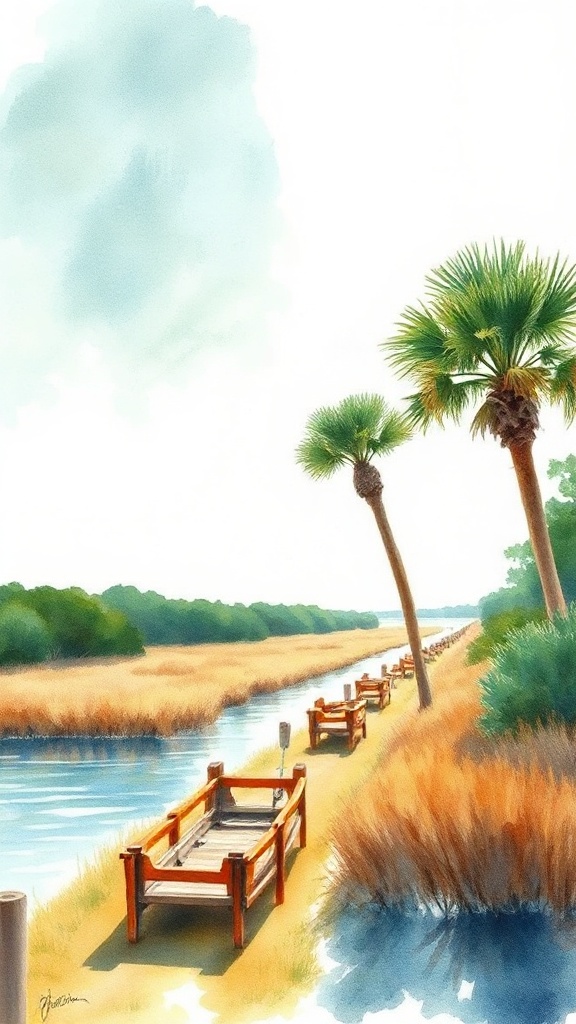
The Carolina Lowcountry marsh is more than scenery — it’s a living system underpinning coastal economies, traditions, and biodiversity. Experiencing it respectfully and supporting the hands-on restoration work underway helps ensure these tidal landscapes continue to thrive for residents and visitors alike.