
 Emma Jantzen
 Gulf Beaches Guide: Essential Tips, Top Activities & How to Help
Gulf Beaches: What to Know, What to Do, and How to Help
The Gulf shoreline offers some of the warmest waters, softest sands, and most diverse coastal ecosystems. Whether you’re planning a family beach day, a fishing trip, or a nature-focused escape, understanding current conditions and best practices will help you enjoy the coast while protecting it.
Why Gulf beaches are special
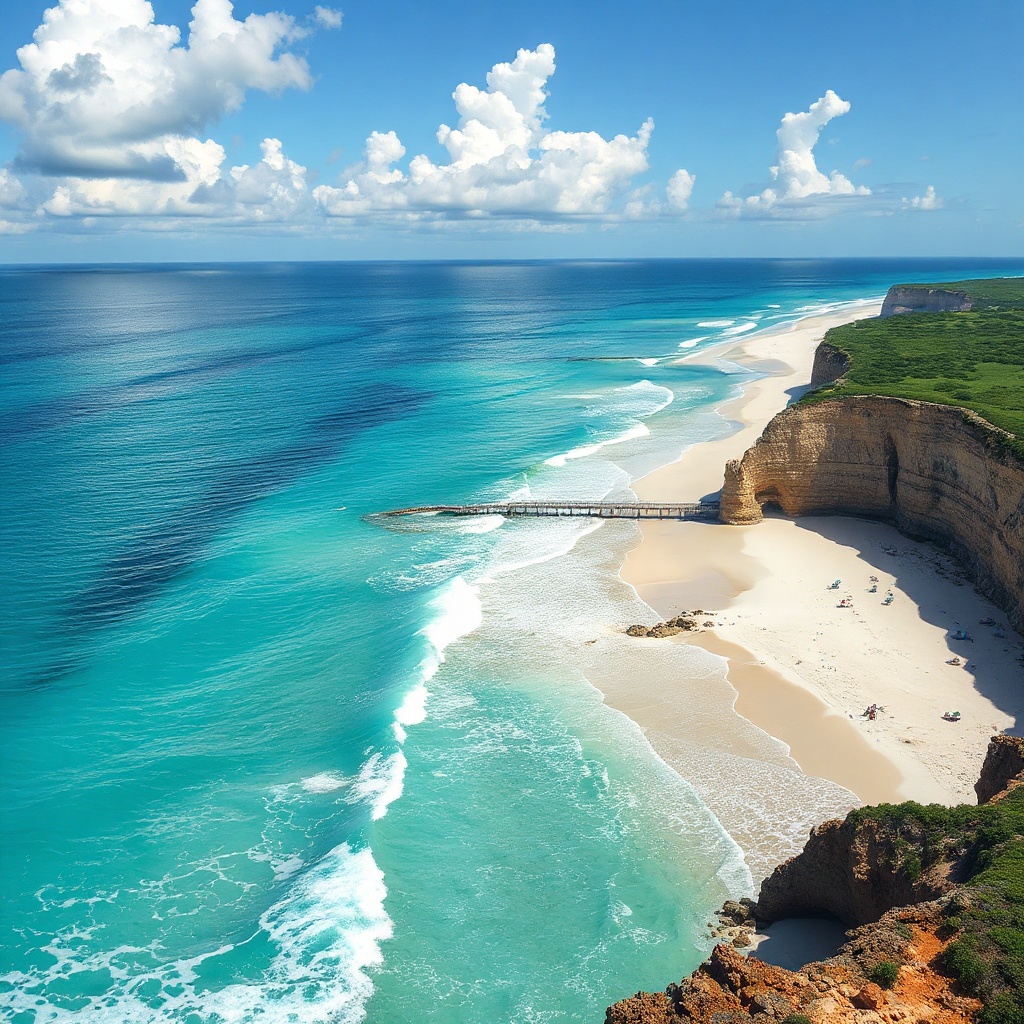
Gulf beaches are known for their gentle surf, broad expanses of sand, and abundant wildlife. Rich seagrass beds and estuaries support fisheries and migratory birds, while sandy dunes and marshes provide natural storm protection. This combination makes the Gulf an attractive destination for relaxing, birding, paddle sports, and shelling.
Top activities to try
– Shelling: Mornings after calm nights are prime for finding scallop shells, coquinas, and the occasional sand dollar. Respect protected species and never take live animals.
– Paddleboarding and kayaking: Calm bays and estuaries are ideal for beginners.
Look for guided eco-tours to explore mangroves and wildlife safely.
– Fishing: Inshore flats and piers offer opportunities for speckled trout, redfish, and snapper. Check local regulations and seasonal restrictions before you cast.
– Wildlife viewing: Shorebirds, pelicans, and sea turtles are frequent visitors.
Dawn and dusk are often the best times to observe wildlife with minimal disturbance.
Safety essentials
– Rip currents: Even gentle Gulf waves can produce rip currents. If caught, swim parallel to shore until free of the current, then head back in. Lifeguard stations and posted signs provide important guidance.
– Heat and sun protection: Use high-SPF, broad-spectrum protection and reapply frequently. Wear hats, sunglasses, and lightweight protective clothing; seek shade during peak sun hours and stay well hydrated.
– Water quality: Harmful algal blooms (commonly called red tide) can affect air and water quality. Check local advisories before swimming or shellfishing.
– Marine hazards: Watch for jellyfish, sharp shells, and boat traffic. If stung, rinse with seawater and seek medical attention for severe reactions.
Conservation practices that matter
– Respect nesting areas: Many Gulf beaches are vital nesting grounds for sea turtles and shorebirds. Observe posted guidelines, avoid nighttime light on beaches, and give nesting sites plenty of space.
– Dunes are fragile: Stay on designated walkways and never drive on dunes. Native dune vegetation stabilizes sand and prevents erosion.
– Reduce plastic: Bring reusable containers and bags. Microplastics are increasingly found in coastal ecosystems, so minimizing single-use plastics helps wildlife and water quality.
– Choose reef-safe sunscreen: Some common sunscreen chemicals can harm marine life. Look for mineral-based options labeled reef-safe or non-nano zinc oxide when recreating near sensitive habitats.
How communities are responding
Coastal communities are focusing more on resilience: dune restoration, living shorelines, and native vegetation plantings are becoming common tools to reduce erosion and support habitat. Local volunteer programs offer beach cleanups, sea turtle monitoring, and citizen science projects that let visitors and residents contribute to long-term health.
Before you go
Check local beach advisories for water quality and wildlife closures, pack essentials (shade, water, first-aid, reef-safe sunscreen), and plan activities that minimize impact. Small choices—sticking to walkways, disposing of trash properly, and respecting wildlife—keep Gulf beaches healthy and beautiful for everyone.
Enjoying the Gulf means balancing recreation with stewardship.
With basic awareness and thoughtful behavior, beachgoers can help protect these vibrant coastal systems while making lasting memories on the sand.