
 Emma Jantzen
 Magnolia Tree Care: How to Choose, Plant, and Maintain Stunning Blooms
Magnolia trees bring dramatic blooms, lush foliage, and head-turning fragrance to gardens and streetscapes. Whether you’re planting a compact variety for a small yard or a stately specimen for a park, understanding their needs makes the difference between a healthy magnolia and one that struggles.
Why magnolias are garden favorites
– Striking flowers: Magnolias produce large, often fragrant flowers in cup, saucer, star, or tulip shapes that attract pollinators and create strong seasonal interest.
– Versatile foliage: Species range from deciduous to evergreen, offering options for different climates and year-round structure.
– Low-maintenance once established: With the right planting and basic care, many magnolias thrive for decades with limited input.
Selecting the right variety
Choose a magnolia based on mature size, bloom form, and evergreen vs. deciduous habit. Compact cultivars suit small urban lots and containers; larger species anchor big landscapes.
If fragrance is important, sample blooms at a nursery.
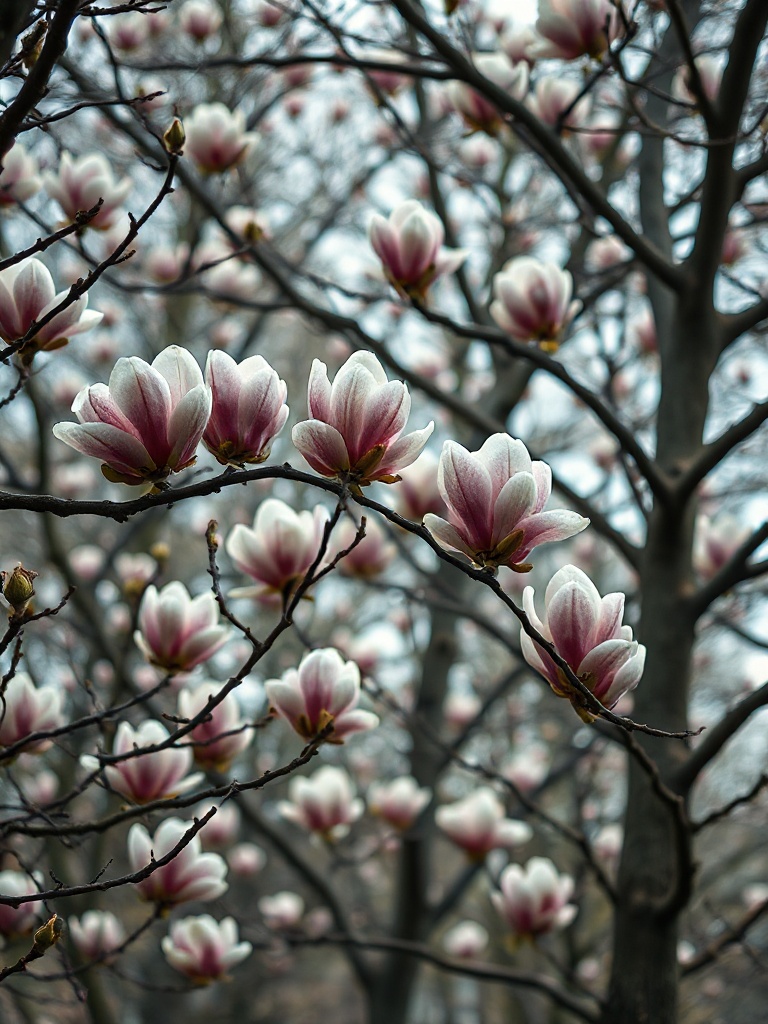
When selecting nursery stock, look for a straight trunk, well-spaced branches, and healthy root-ball growth.
Planting essentials
– Site selection: Magnolias prefer full sun to part shade. Morning sun with afternoon protection helps blooms hold up better in hot climates.
– Soil: Slightly acidic to neutral, rich, and well-drained soil is ideal. Improve heavy clay with organic matter to enhance drainage and root development.
– Planting technique: Dig a wide, shallow planting hole to accommodate the root spread. Plant at the same depth as the root collar. Backfill gently and water thoroughly to settle soil.
Watering and mulching
Keep young trees evenly moist during the first few seasons while roots establish. Deep, infrequent watering encourages deeper root systems. Apply a 2–4 inch layer of organic mulch, keeping it a few inches away from the trunk to prevent rot and pest issues.
Mulch conserves moisture, suppresses weeds, and moderates soil temperature.
Pruning and flowering care
Prune magnolias sparingly and only when necessary. If pruning is needed, do it immediately after flowering to avoid removing next season’s buds. Remove dead or crossing branches, and maintain a single leader on young trees to develop strong structure. Light shaping can be done later in the season, but heavy pruning can stress the tree.
Pests and diseases to watch for
– Common pests: Scale insects and spider mites can appear, especially under drought stress or in urban environments. Horticultural oils and targeted insecticidal soaps help control outbreaks.
– Diseases: Leaf spots, powdery mildew, and cankers are opportunistic issues.
Encourage good air circulation, avoid overhead watering, and remove infected debris to reduce incidence. Severe canker problems may require professional diagnosis.
Propagation and lifespan
Magnolias can be grown from seed, semi-hardwood cuttings, or by grafting for specific cultivars.
Seed-grown trees may take many years to bloom and may not be true to the parent plant. Grafted plants retain cultivar traits and usually flower sooner. Many magnolias are long-lived, becoming treasured landscape specimens if well cared for.
Landscape uses and pairing
Use magnolias as specimen trees, focal points near entrances, or layered with smaller shrubs to create seasonal interest. They pair beautifully with spring bulbs, azaleas, and rhododendrons that share similar soil preferences.
Ready to plant? Match the cultivar to your site, focus on proper planting and watering during establishment, and enjoy the payoff of dramatic blooms and lasting presence in the landscape.