
 Emma Jantzen
 Bayou Life: An Eco-Conscious Guide to Wildlife, Culture, and Cuisine
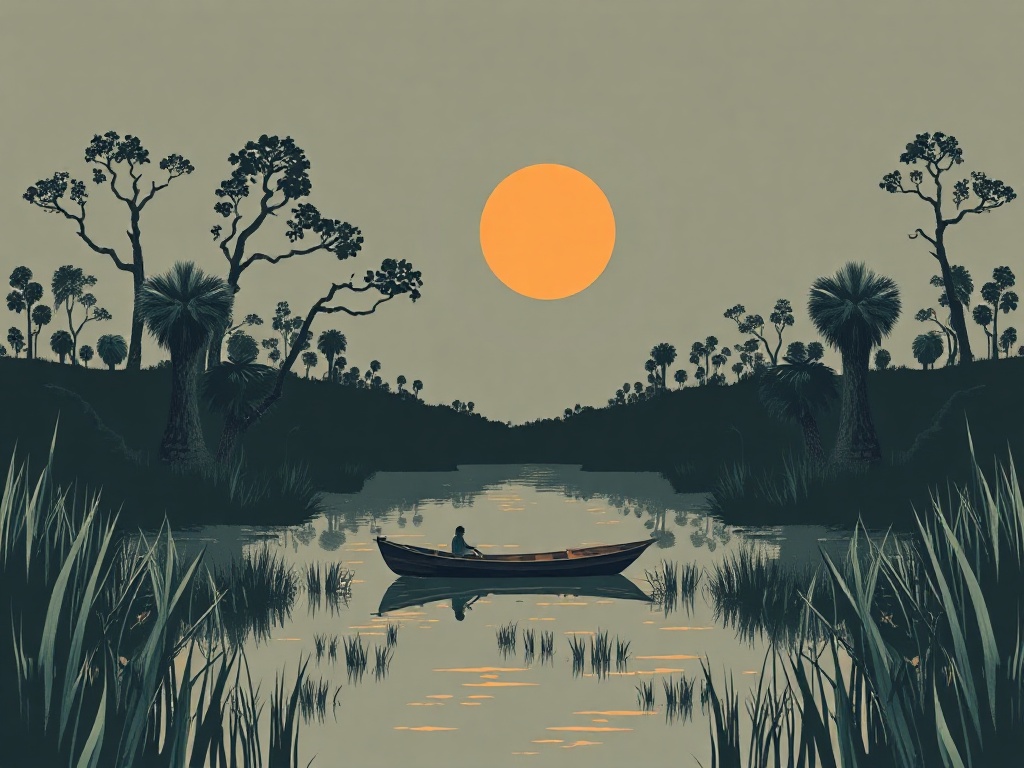
Bayou life moves at the pace of water: slow, storied, and deeply rooted in place. Mangrove and cypress knees rise like weathered sentinels while marsh grasses ripple with the tide. That mix of wetland ecology, resilient communities, and rich culinary traditions makes the bayou a living classroom—one that rewards curiosity and careful stewardship.
Ecology and wildlife
Bayous are biodiverse corridors where freshwater meets brackish and saltwater environments. Fish nurseries hide amid submerged roots, migratory birds line up on flooded branches, and reptiles and amphibians rely on seasonal cycles of water and drought.
Iconic species—wading herons, painted turtles, and the occasional alligator—are part of a balanced system that also includes less visible but vital organisms: oysters that filter water, marsh plants that trap sediment, and tiny invertebrates that feed entire food chains.
Culture and cuisine
Human life along the bayou has been shaped by the landscape. Traditional cooking turns local harvests into memorable meals—gumbo thickened with roux and okra, spicy andouille, and crawfish boils that bring neighborhoods together. Music and storytelling remain central: songs, folktales, and festivals celebrate histories passed down through generations. The pace of bayou living favors hands-on skills—boat handling, net fishing, and home canning—practical knowledge that supports both livelihood and identity.
Recreation and responsible visiting
Visitors seeking an authentic bayou experience find kayaking between cypress trunks, birdwatching at dawn, and guided swamp tours that explain habitat dynamics.
Responsible visitation means keeping noise low, staying on marked channels, and respecting private property and sacred sites. Bring binoculars, a good mosquito repellent, and waterproof footwear.
Keep a safe distance from wildlife—never feed animals—and follow local guidance about boating speeds to reduce erosion and protect nesting sites.
Conservation challenges
Bayous face pressure from shoreline development, invasive species, and changing water regimes. Habitat loss and saltwater intrusion can undermine marsh resilience, while pollution and nutrient runoff lead to algal blooms.
Community-led restoration projects—planting native marsh grasses, rebuilding oyster reefs, and restoring freshwater flow—are proving effective when paired with policy measures that protect wetland buffers and limit destructive dredging.
How to support bayou resilience
– Choose eco-conscious tour operators and local guides who prioritize habitat protection and community benefit.
– Buy local seafood from fishers who use sustainable methods or certified programs.
– Volunteer with habitat restoration groups or support community-led conservation funds.
– Reduce single-use plastics and properly dispose of chemicals to minimize runoff into waterways.
– Advocate for wetland protection and responsible coastal planning through local civic channels.
Slow-living lessons
Bayou life also offers a larger takeaway: resilience through adaptation.
Communities here have long blended ingenuity with a deep sense of place, practicing seasonal rhythms and mutual aid when storms arrive.
Whether through communal cooking, shared labor on levees, or oral histories that map the landscape, those social connections reinforce ecological stewardship.
Embrace the bayou with curiosity and care. Observe quietly, eat locally, support restoration efforts, and leave the wetlands as you found them—so future generations can keep learning from the water that shapes life along the bayou.