
 Emma Jantzen
 Carolina Lowcountry: Salt Marshes, Gullah Heritage, and Coastal Resilience
Carolina Lowcountry: Where Salt Marshes, Gullah Culture, and Coastal Resilience Converge
The Carolina Lowcountry is a blend of sweeping salt marshes, moss-draped live oaks, and tight-knit coastal communities where food, culture, and conservation intersect. Visitors arrive for the scenic waterways and historic districts of Charleston, Beaufort, and Hilton Head, but many stay because the region delivers a lived experience — from shrimp boats easing into the creeks at dawn to chefs turning fresh catch into Lowcountry classics.
Salt marshes are the backbone of the Lowcountry’s ecology and economy. These tidal wetlands filter water, protect shorelines from storms, and provide nursery habitat for fish and crustaceans that support commercial and recreational fisheries. As interest in ecological stewardship grows, local organizations, research centers, and community volunteers are implementing marsh restoration and living shoreline projects that use natural materials — oyster reefs, native grasses, and coir logs — to stabilize eroding banks without hard structures like bulkheads.
Oyster restoration has become a focal point of these efforts. Oysters not only create habitat and improve water quality by filtering excess nutrients, they also form natural breakwaters that reduce wave energy. Community-driven reef-building programs invite residents and visitors to participate in reef placement and monitoring, making conservation tangible and local. Supporting these projects — through donations, volunteering, or choosing sustainably harvested shellfish at area restaurants — helps keep both ecosystems and traditions vibrant.
The cultural heritage of the Lowcountry is inseparable from conservation. Gullah-Geechee communities have stewarded land and sea for generations, preserving distinctive language, music, storytelling, and culinary traditions rooted in West African practice. Lowcountry cuisine — think shrimp and grits, she-crab soup, and benne seed treats — is a culinary bridge between past and present, shaped by the landscape and the yield of its marshes and estuaries. Protecting cultural sites and supporting Gullah-Geechee-led initiatives are essential to sustaining this living heritage.
Tourism and local economies are evolving toward sustainability. Ecotourism experiences — guided kayak tours through narrow tidal creeks, birding on protected islands, and interpretive heritage walks — offer low-impact ways to enjoy the region while learning about its natural and cultural importance.
Coastal communities are also exploring managed approaches to development that respect marsh migration corridors and prioritize resilient infrastructure, blending traditional knowledge with scientific planning.
Seafood lovers can cultivate responsible habits: look for local certifications, ask where your oysters and shrimp are sourced, and favor restaurants that partner with responsible harvesters. Homeowners and developers can consider living shorelines and native plantings to reduce erosion and maintain the natural flow of tides and sediments that marshes need to thrive.
The Carolina Lowcountry’s charm lies in its interdependence — a working landscape where ecology, culture, and economy rely on healthy salt marshes and engaged communities.
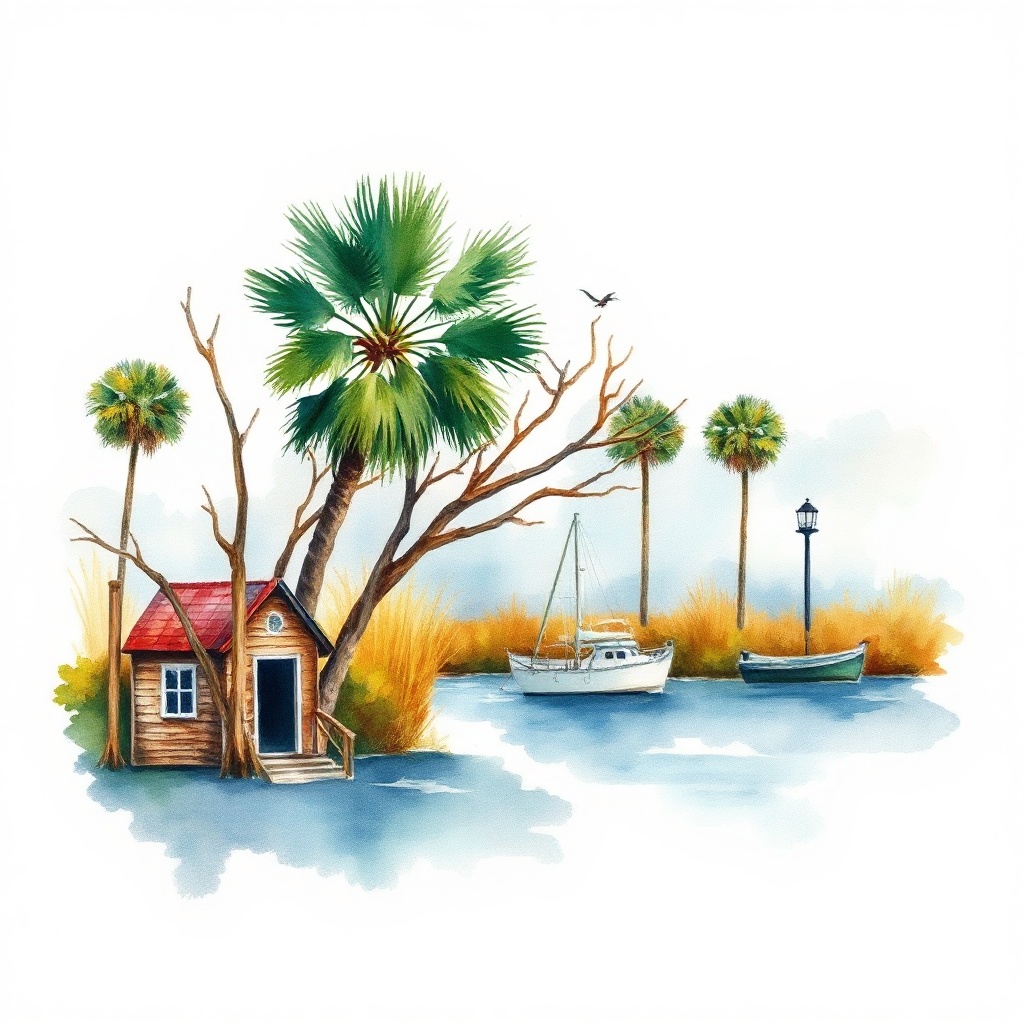
By supporting restoration efforts, honoring cultural stewards, and choosing low-impact ways to visit and live here, residents and visitors both play a role in preserving the rhythms and flavors that make this region unique. Whether exploring by foot, skiff, or fork, the Lowcountry rewards curiosity and care with scenes, stories, and sustenance that feel timeless.