
 Emma Jantzen
 Bayou Life: Wetlands, Cajun Culture, and Sustainable Seafood for Resilient Communities
Bayou life moves to its own steady, watery rhythm—equal parts work, food, music and wildlife.
From still backwaters to reed-lined marshes, the bayou is both a living landscape and a cultural engine: a place where wetlands ecology and human tradition are tightly interwoven.
Ecosystem and wildlife
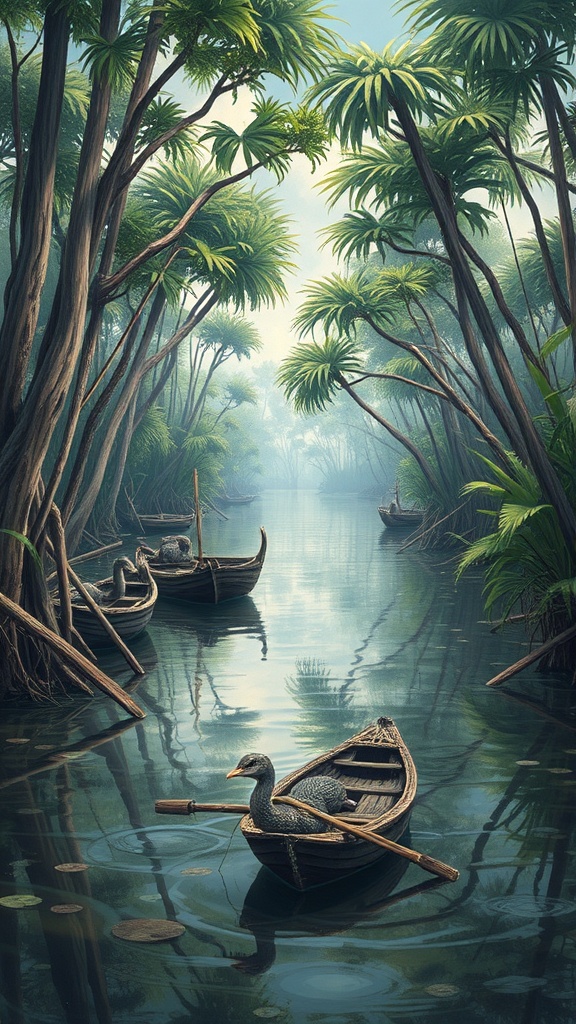
Bayous are vital wetlands that act as nurseries for fish, shrimp and crabs, and as stopover habitat for migratory birds. Cypress knees and marsh grasses trap sediment and slow storm surge, helping protect inland communities.
Alligators, herons, egrets, otters and a rich diversity of fish species are common sights. Healthy marshes also store carbon in their peat soils, making them important allies in broader conservation efforts.
Work on the water
Fishing and harvesting remain central to bayou livelihoods. Shrimpers, crabbers and oystermen follow seasonal runs and tides; crawfishing—part work, part tradition—is deeply embedded in local calendars and cuisine. Many bayou residents balance commercial work with small-scale subsistence gardening, home smoking of fish, and boat maintenance.
That blend of commerce and culture keeps small coastal economies resilient and distinct.
Food and culture
Cuisine is a signature of bayou life. Cajun and Creole flavors—gumbo, jambalaya, étouffée and boiled crawfish—arise from the water’s bounty and the region’s spice traditions.
Food gatherings are social glue: communal boils, neighborhood fish fries and Sunday dinners bring families together and sustain recipes passed down through generations. Music—zydeco, blues and accordions—often accompanies these events, amplifying the sense of place.
Recreation and responsible visiting
Swamp tours, kayaking and birdwatching offer immersive ways to experience the bayou. For respectful recreation:
– Stick to marked channels and private-property boundaries.
– Wear insect repellent and sun protection; dress in layers for humidity and changing weather.
– Keep distance from wildlife—never feed wild animals.
– Take only photos; leave shells and artifacts as they are.
Conservation and challenges
Bayous face ongoing pressures: erosion, subsidence, saltwater intrusion, pollution from runoff and coastal development.
Efforts to restore marshes—including replanting grasses, building living shorelines and restoring natural water flow—are critical. Community-led initiatives often pair traditional knowledge with scientific restoration, improving habitat and helping sustain fisheries.
Community resilience
Bayou communities adapt through innovation and stewardship. Local cooperatives, restoration groups and market-oriented fisheries work to improve economic opportunities while protecting habitat. Ecotourism and farm-to-table efforts help diversify income streams and increase awareness of wetland values.
How to support bayou communities
– Patronize local markets, restaurants and guide services that source sustainably.
– Support coastal restoration organizations and habitat-friendly policies.
– Learn about regional regulations for harvesting and recreation to ensure sustainable practices.
The bayou’s appeal lies in its contradictions: quiet, dense wildness threaded with lively human culture. Preserving that balance means valuing both the people who live on the water and the wetlands that sustain them. Whether through a respectful visit, a purchase at a fish market, or supporting restoration projects, there are many ways to help ensure bayou life continues to thrive.