
 Emma Jantzen
 Magnolia Trees: Complete Guide to Planting, Care, and Landscape Uses for Show-Stopping Blooms
Magnolia trees: planting, care, and landscape uses for standout blooms
Magnolia trees are prized for their dramatic blossoms, glossy foliage, and timeless presence in landscapes. From compact star magnolias to stately southern magnolias, these plants offer variety in size, form, and fragrance—making them versatile choices for gardens, streetscapes, and mixed borders.
Choosing the right magnolia
– Growth habit: Decide whether you want a small, shrub-like magnolia or a large specimen tree. Dwarf and saucer magnolias fit small yards and containers, while larger species create impressive focal points.
– Leaf type: Some magnolias are evergreen, keeping glossy leaves most of the year, while others are deciduous and produce bold spring blooms before leaf-out.
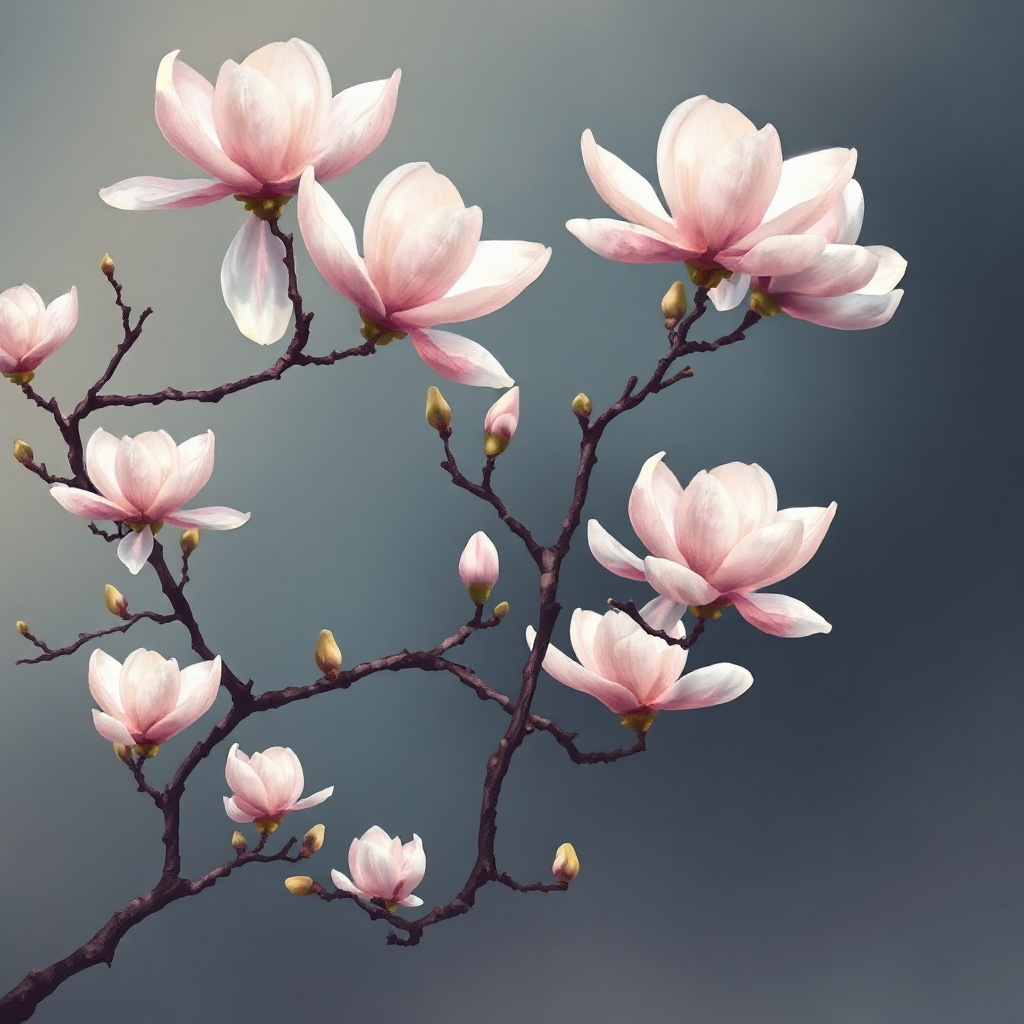
– Bloom characteristics: Flowers range from delicate star-shaped white blooms to large, saucer-shaped petals in pinks, whites, and purples. Fragrance intensity varies—some varieties perfume the air for several days.
Planting essentials
– Site selection: Plant magnolias where they receive full sun to light shade.
Morning sun with afternoon protection in hot climates prevents petal scorch and leaf stress.
– Soil needs: Magnolias prefer well-drained, slightly acidic soil rich in organic matter. Avoid compacted clay and sites with poor drainage; raised beds can help where drainage is an issue.
– Planting technique: Dig a hole twice the width of the root ball but no deeper. Set the tree so the top of the root ball sits slightly above surrounding soil, backfill gently, and water to settle soil.
Apply a 2–3 inch organic mulch, keeping mulch away from the trunk.
Care and maintenance
– Watering: Young magnolias need consistent moisture until established.
After establishment, deep watering during dry spells supports healthy growth and bloom production.
– Fertilizing: Use a balanced, slow-release fertilizer sparingly. Over-fertilizing can encourage excessive leafy growth at the expense of flowers.
– Pruning: Light pruning is best. For spring-blooming magnolias, prune immediately after flowering to avoid removing next season’s buds.
Remove dead, crossing, or damaged branches; avoid heavy topping, which harms form and blooms.
Propagation and varieties
Magnolias can be grown from seed, cuttings, or grafting. Seed-grown trees may take longer to bloom and can vary from the parent plant, while grafted plants retain desirable traits and often flower sooner. Popular types include compact star magnolias for tight spaces, saucer magnolias for dramatic spring display, and evergreen southern magnolias for year-round structure and large, fragrant blooms.
Pests and diseases
Common issues include scale insects, aphids, and the magnolia borer.
Regular inspection and horticultural oil or targeted treatments help manage infestations.
Fungal problems like leaf spot and powdery mildew appear in humid conditions; good air circulation and avoiding overhead watering reduce risk. Planting on well-drained soil helps prevent root rot and canker problems.
Landscape uses and pairing
Magnolias make excellent specimen trees near entrances or lawns, lend height to mixed borders, and serve as screening plants in larger cultivars.
Pair magnolias with spring bulbs, low-growing azaleas, or shade-tolerant perennials to create layered seasonal interest that complements their bloom window.
Why choose magnolia?
Magnolias offer multi-season appeal: striking flowers, attractive foliage, and often delightful fragrance.
With the right site and minimal, timely care, a magnolia can be a long-lived, memorable centerpiece for any garden. For best results, match variety to space and climate, and prioritize soil preparation and watering during establishment.