
 Emma Jantzen
 Bayou Life: Wildlife, Culture, Activities and Responsible Travel
Bayou life blends slow rhythms, rich wildlife, and deep cultural roots into a landscape that feels timeless. Whether you’re drawn to dense cypress groves, the call of songbirds at dawn, or the simmering aroma of a gumbo pot, the bayou offers a sensory experience that rewards curiosity and respect.
The natural heartbeat
Bayous are shallow, slow-moving waterways lined with cypress trees, Spanish moss, and a tapestry of marsh grasses. Expect mirrored water surfaces, pockets of fog in the early hours, and the soft chorus of frogs and insects. Wildlife is abundant and often visible: herons and egrets stalk the shallows, alligators bask on warm banks, and migratory ducks and other waterfowl use the wetlands as critical stopovers. Much of the ecosystem depends on the delicate balance between freshwater inflows and tidal influence, making healthy water quality essential for vibrant bayou life.
Cultural richness and everyday rhythms
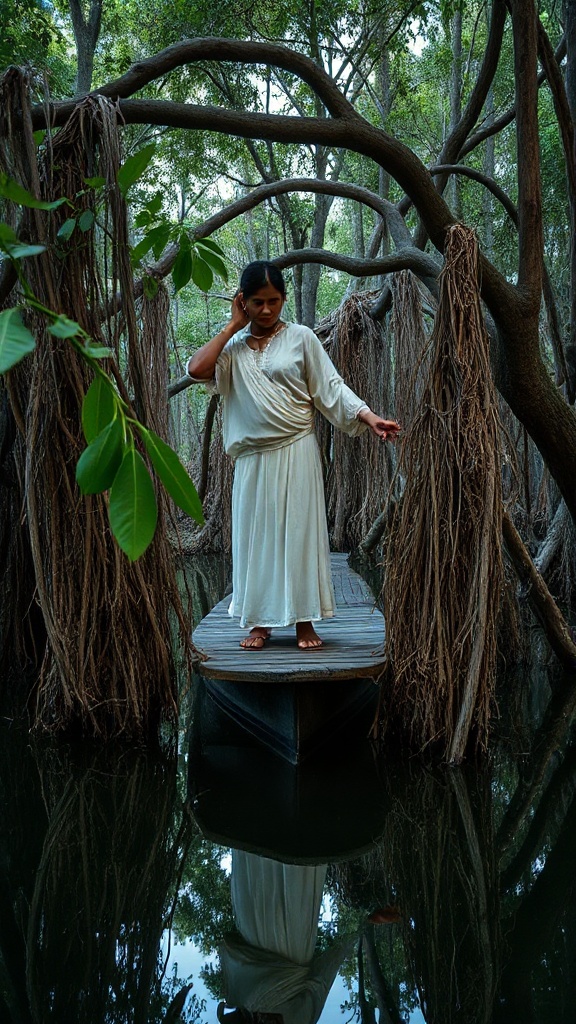
Human life around the bayou is shaped by both necessity and celebration. Fishing, both for sustenance and recreation, remains central—shrimp, crabs, and freshwater fish appear in family meals and local markets. Traditional cuisines reflect this bounty with recipes built around slow-simmered stocks, bold spices, and communal gatherings. Music and storytelling are woven into daily life; old songs and new voices keep regional dialects and lore alive.
How to experience the bayou responsibly
– Choose guided tours led by local naturalists or community-based operators. They provide insights into ecology and history while minimizing disturbance to wildlife.
– Observe from a distance.
Use binoculars or a telephoto lens for photography so birds and nesting animals aren’t stressed.
– Leave no trace: pack out trash, avoid trampling vegetation, and never release pets or non-native species into the water.
– Respect private property and local customs. Many bayou communities are tight-knit; a friendly approach and a willingness to learn go a long way.
Outdoor activities that connect you to place
Paddling in a canoe or kayak is one of the most intimate ways to move through a bayou—gliding under arching cypress knees and past floating water lilies. Anglers enjoy both bank fishing and guided boat trips for a chance at catfish, bass, and seasonal species. Photography and birdwatching are rewarding for all skill levels; quiet patience often yields close encounters. For a deeper dive, volunteer opportunities with wetland restoration projects let visitors contribute meaningfully to habitat health.
Conservation priorities and how to help
Protecting bayous means addressing pollution, invasive species, and alterations to natural water flow. Supporting conservation organizations, choosing sustainable seafood, and advocating for responsible land use policies all help preserve these ecosystems. Community-led efforts to restore marshes, plant native vegetation, and monitor water quality are powerful ways to sustain the bayou for future generations.
A lasting impression
Bayou life is equal parts wild and human-crafted—an enduring landscape shaped by water, wildlife, and culture. Visitors who approach with humility and curiosity often leave with a deeper appreciation for how fragile and resilient these wetlands can be. Whether seeking quiet reflection, outdoor adventure, or culinary discovery, the bayou offers experiences that linger long after the paddle returns to shore.