
 Emma Jantzen
 Bayou Life: A Visitor’s Guide to Wildlife, Cuisine and Conservation
Bayou life blends slow rhythms, lush wetlands, and a culture shaped by water. From moss-draped cypresses to the hush of early-morning mist, bayous are living landscapes where people and wildlife have adapted to tides, floods, and seasonal cycles.
This mix of natural abundance and human tradition makes the bayou a rich subject for visitors, residents, and conservationists alike.
What to expect on the water
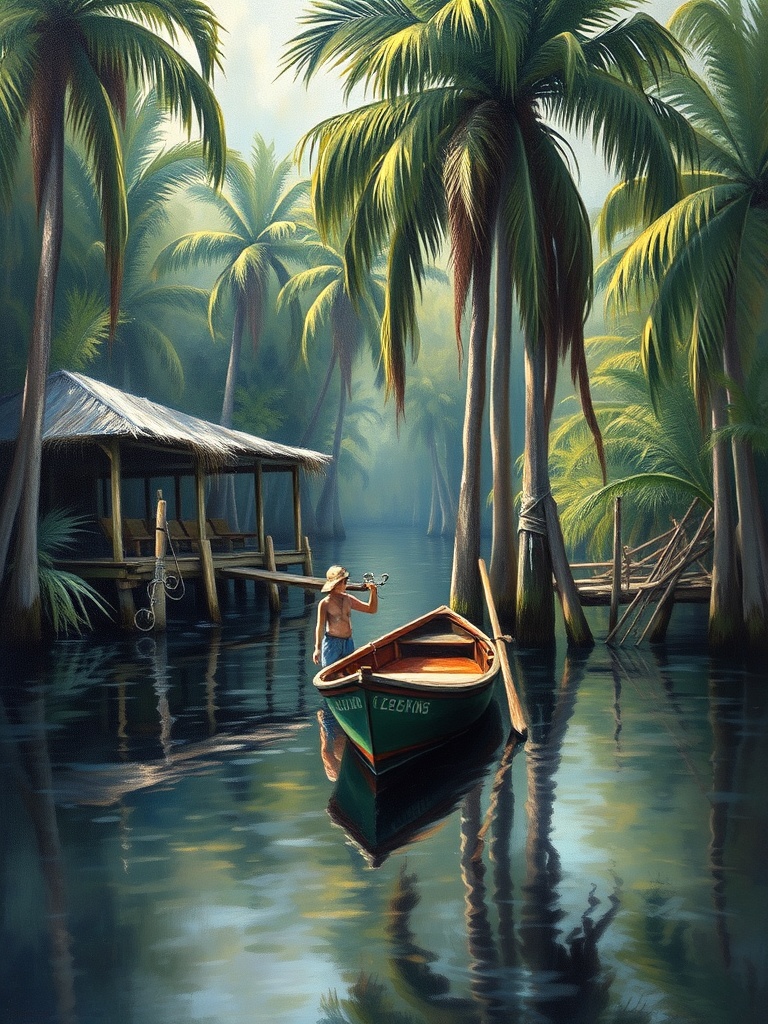
A typical bayou scene features narrow, winding waterways lined with trees whose roots anchor against soft mud.
Wildlife sightings are common: herons standing like sentinels, turtles sunning on logs, schools of forage fish, and the occasional alligator sliding silently beneath lily pads. Kayaking and small-boat excursions offer close encounters without disturbing habitat; low-impact navigation and respect for private property keep corridors healthy for both wildlife and people.
Culture and cuisine
Bayou communities center around food, music, and storytelling. Seafood—particularly shrimp, crab, and crawfish—fuels gatherings that often feature communal cooking styles such as boils and stews. Gumbo and jambalaya reflect deep culinary roots, mixing local ingredients, French and African influences, and a culture of hospitality. Music—from live Zydeco at a local dance hall to acoustic guitar on a porch—keeps social life vibrant and preserves intergenerational traditions.
Sustaining livelihoods
Many livelihoods along the bayou depend directly on natural cycles: commercial and recreational fishing, oyster harvesting, and small-scale agriculture.
Sustainable harvest practices, selective gear use, and seasonal respect for spawning periods help maintain fisheries. Local entrepreneurs increasingly blend tradition with innovation—adding eco-friendly tour options, value-added seafood products, and community-supported fisheries to diversify income while keeping ecosystems intact.
Conservation challenges and solutions
Bayous face pressures from development, pollution, invasive species, and shifting water regimes. Saltwater intrusion and wetland loss change plant communities and reduce critical nursery habitat for fish and crustaceans. Response strategies increasingly emphasize living shoreline techniques, marsh planting, and oyster reef restoration to build resilience. Community-led monitoring and volunteer restoration days are simple ways to contribute while learning about local ecology.
Recreation and safety
Outdoor recreation is a major draw, but safety matters. Life jackets are essential in small craft, and knowledge of weather and tide conditions prevents unwanted surprises. Maintain distance from wildlife—never feed or approach alligators—and secure food away from gear to avoid attracting animals. Leave no trace: pack out trash and avoid disturbing nests or spawning grounds to preserve the bayou’s delicate balance.
Supporting the bayou
Responsible visitation and local support help protect these waterways: book tours with guides who follow ethical wildlife viewing practices, buy seafood from local fishers practicing sustainable harvests, and contribute time or funds to restoration projects.
Education—through local nature centers, schools, and community events—builds long-term stewardship by connecting people to the rhythms of water, land, and life.
A living landscape
Bayou life is a study in adaptation—human and ecological—where slow water shapes culture, cuisine, and survival strategies. Whether paddling a silent channel at dawn, sampling a neighborhood gumbo, or joining a coastal restoration effort, engagement with the bayou rewards curiosity and respect.
Consider planning a visit guided by local experts or joining a community restoration day to experience the bayou’s living heritage firsthand.