
 Emma Jantzen
 Explore the Carolina Lowcountry: Salt Marshes, Seafood, Gullah-Geechee Culture & Coastal Conservation
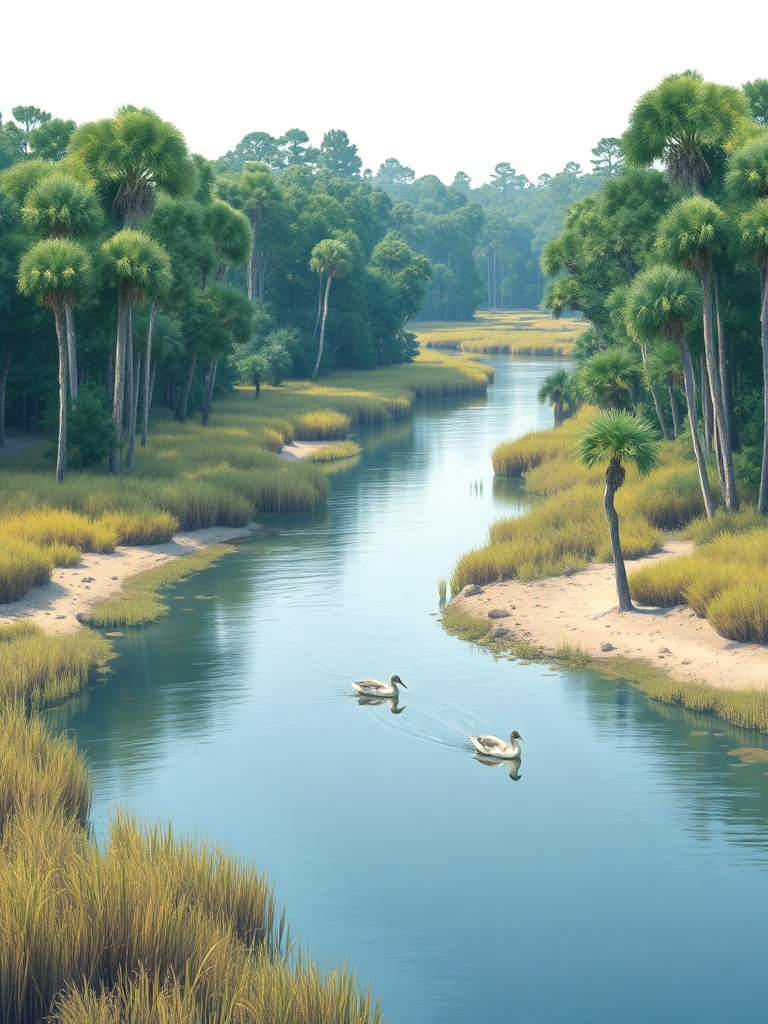
The Carolina Lowcountry is a place where tides shape daily life, salt marshes define the landscape, and a rich mix of culture and cuisine draws visitors and residents alike. From winding tidal creeks and barrier islands to historic towns and vibrant seafood markets, this region balances tradition with a growing focus on conservation and resilience.
Why the Lowcountry matters
The Lowcountry’s salt marshes and estuaries act as natural buffers against storms, provide critical habitat for fish and bird species, and support commercial fisheries that fuel the local economy. These wetlands filter water, sequester carbon, and help stabilize shorelines—functions that make them essential to both nature and people. The cultural heritage here, including the Gullah-Geechee traditions, is tightly woven into the landscape and local foodways, creating experiences you won’t find anywhere else.
Living shorelines and marsh restoration
Traditional hard-engineered structures like seawalls can worsen erosion over time. Many communities in the Lowcountry are turning to living shorelines—solutions that use native marsh grasses, oyster reefs, and gentle grading to reduce wave energy while preserving habitat. Oyster reef restoration is particularly popular because reefs attenuate waves, improve water quality by filtering, and provide a base for additional marine life. Volunteering for a reef-planting day or supporting local conservation groups is an easy way to contribute to these efforts.
What to do and see
– Explore by kayak or canoe: Paddling the creeks and inlets offers close-up views of wading birds, dolphins, and salt marshes.
Opt for guided eco-tours to learn about local ecology and etiquette.
– Visit a farmers’ market or seafood dock: Fresh shrimp, oysters, and locally raised produce are staples. Buying directly from fishermen and farmers supports sustainable, small-scale operations.
– Walk a historic district or barrier island: Towns like Charleston and Beaufort, along with islands like Hilton Head and coastal preserves, showcase architecture, public gardens, and coastal habitats. Respect private properties and follow posted access rules.
– Attend cultural events: Look for Gullah-Geechee storytelling, craft demonstrations, and culinary events that celebrate the region’s heritage.
Practical tips for visitors and residents
– Watch the tides: Many marsh trails and beach access points are affected by tidal swings. Check local tide charts before heading out to avoid getting stranded.
– Follow wildlife rules: Maintain distance from nesting birds and nesting sea turtles; keep dogs leashed where required; and never disturb shellfish beds.
– Choose low-impact recreation: Use established trails, avoid driving on undeveloped beaches, and minimize single-use plastics to protect waterways.
– Support sustainable seafood: Ask where seafood was harvested and prefer locally managed fisheries or certified options.
Balancing growth and stewardship
The Lowcountry is desirable for a reason: scenic beauty, abundant wildlife, and a deep cultural footprint. That popularity creates pressure on infrastructure and habitats, but it also fosters creative solutions—community-led restoration, zoning that protects marshes, and greater public awareness of coastal resilience. Individuals can play a role by supporting conservation initiatives, patronizing local businesses, and making informed choices about land and water use.
Whether you’re exploring tidal creeks, savoring shrimp and oysters at a waterfront market, or volunteering to help rebuild an oyster reef, the Carolina Lowcountry rewards those who treat it with respect. Its future depends on mindful stewardship that keeps marshes healthy, waters clean, and cultural traditions thriving for generations to come.