
 Emma Jantzen
 Gulf Seafood Guide: Buy, Cook, and Choose Sustainable & Safe Options
Gulf seafood remains a cornerstone of coastal cuisine and culture, prized for bold flavors, variety, and a connection to local communities. Whether enjoying plump Gulf shrimp, briny oysters, or flaky grouper, understanding what makes Gulf seafood special helps shoppers choose wisely and cook with confidence.
Why Gulf seafood stands out
The Gulf’s warm, nutrient-rich waters support a diverse mix of species that thrive in estuaries, reefs, and open water.
That diversity creates a seafood pantry suited to many preparations: grilled, blackened, fried, steamed, or raw. Freshness, traceability, and seasonality are key qualities that set top Gulf seafood apart.
Popular Gulf species and culinary uses
– Gulf shrimp: Sweet, firm, and versatile—excellent sautéed, grilled, or in classic boils. Look for a sweet aroma and firm texture.
– Oysters: From crisply briny to creamy, Gulf oysters are ideal raw on the half-shell, charbroiled, or in stews.
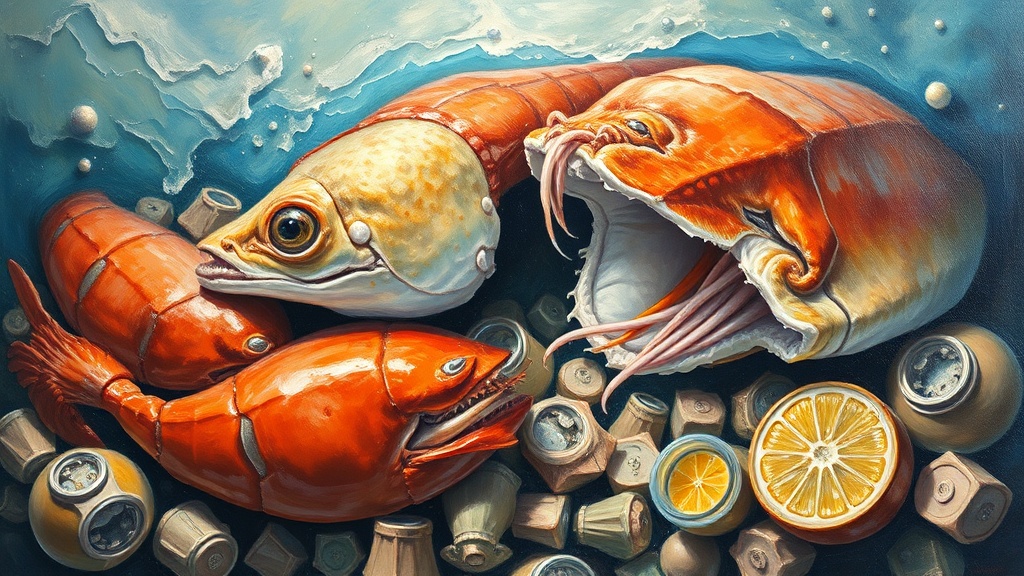
– Snapper and grouper: Mild, meaty fillets that hold up well to grilling, baking, or pan-searing.
– Blue crab: Rich, sweet meat best enjoyed in crab cakes, salads, or cracked and dipped in butter.
– Mackerel and cobia: Flavorful choices for smokers, grilling, or robust preparations.
Sustainability and responsible sourcing
Sustainable practices are essential to keep Gulf fisheries productive for future generations and local economies. Many commercial and recreational fishers use management measures, gear innovations, and harvest limits to reduce bycatch and protect habitat. For consumers, look for reputable labeling—such as state or federal traceability information—and ask your fishmonger about harvest methods and origin.
Supporting restaurants and markets that partner with local harvesters helps strengthen sustainable supply chains.
Safety and environmental considerations
Harmful algal blooms, often referred to as red tide, can temporarily close shellfish beds and affect fish health.
Coastal monitoring programs and state health advisories provide timely guidance on closures and seafood safety.
When buying seafood, check for any advisories affecting your area and prefer vendors who post harvest dates and source information.
General safety tips:
– Raw shellfish should come from approved sources; avoid raw consumption if local advisories are in effect.
– Cook fish until it is opaque and flakes easily with a fork; for fish that requires a temperature guideline, 145°F is commonly recommended.
– Pregnant people, young children, and people with certain health concerns should follow public health guidance on limiting high-mercury species and raw shellfish.
Buying, storing, and cooking tips
– Freshness: Fish should smell clean and briny, not fishy. Eyes should be clear; flesh should spring back.
– Storage: Keep seafood cold on ice or in the coldest part of the refrigerator and use within a day or two for best quality. For longer storage, freeze promptly in airtight packaging.
– Preparation: Simple treatments—olive oil, citrus, herbs, and high heat—often highlight Gulf flavors best.
For shellfish, brief cooking preserves texture and brininess; overcooking reduces quality.
Supporting coastal communities
Buying Gulf seafood often means supporting families, dockworkers, and small businesses whose livelihoods depend on healthy waters. Choosing well-managed, traceable products and staying informed about local advisories are practical ways to enjoy Gulf seafood responsibly while protecting the ecosystems and people behind the catch. Keep exploring regional markets and menus—there’s always a new Gulf flavor to discover.