
 Emma Jantzen
 Cajun Cooking for Home Cooks: Essential Techniques, Pantry Staples & Classic Recipes
Cajun cooking is a vibrant, rustic cuisine born from resourcefulness and bold flavors. Rooted in simple ingredients and techniques, it’s perfect for home cooks who want big taste without fuss. Here’s a practical guide to the essentials, classic dishes, pantry staples, and smart tips to bring authentic Cajun flavors to your kitchen.
Core principles and techniques
– The Holy Trinity: Onion, celery, and bell pepper form the flavor base for most Cajun dishes. Dice them uniformly and sweat gently to build depth without browning.
– Roux: A cooked mixture of fat and flour, roux thickens and flavors stews and sauces. Cook slowly for a blond or peanut-butter-colored roux that adds nuttiness, or keep cooking for a darker, more robust flavor—watch closely, stir constantly, and don’t rush the process.
– Layering: Cajun cooking relies on building flavors step by step—sauté the trinity, add proteins, deglaze, and finish with stock and seasonings.
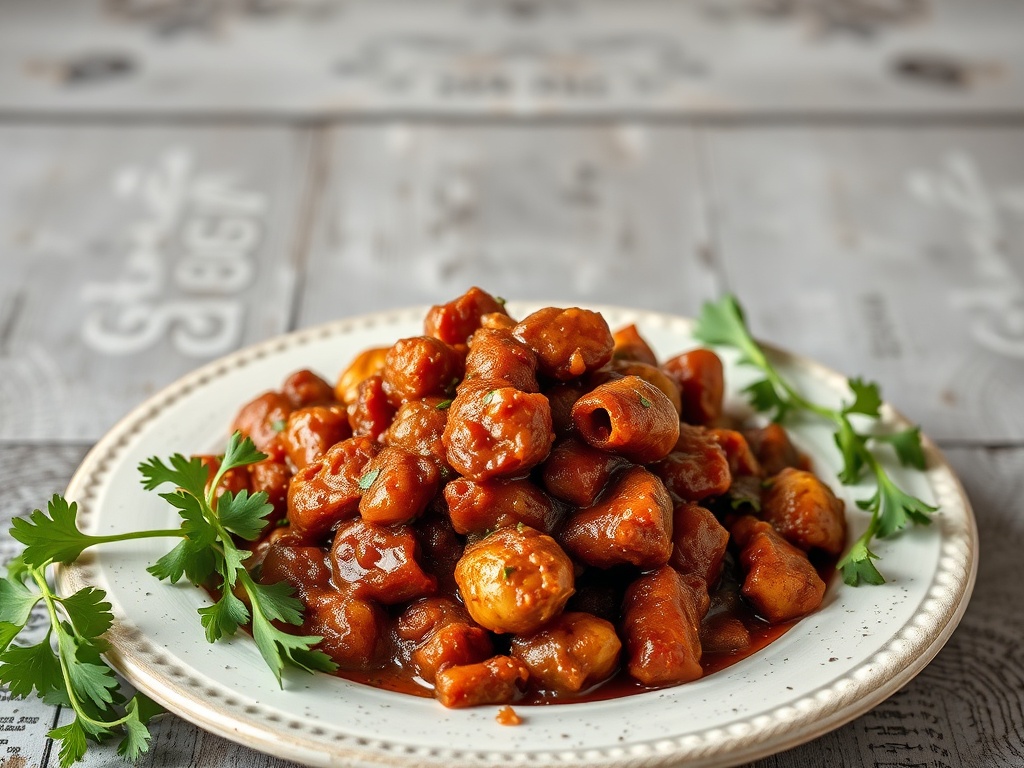
– Seasoning: A balanced blend of salt, black pepper, cayenne, and paprika is common.
File powder and hot sauce are finishing touches that enhance complexity rather than overpower it.
Signature dishes worth mastering
– Gumbo: A hearty, stew-like dish often made with seafood, chicken and sausage, or a combination.
Gumbo showcases roux, stock, and bold seasoning; serve over white rice and finish with filé powder or a squeeze of lemon if preferred.
– Jambalaya: A one-pot rice dish similar to paella, built by browning proteins and allowing rice to absorb flavorful liquid.
It’s flexible—swap proteins or go vegetarian with smoked tofu and vegetables.
– Étouffée: Typically made with shellfish and a light-to-medium roux, this dish is smothered and served over rice with rich, concentrated flavor.
– Red Beans and Rice: A comfort-food classic often cooked slowly with smoked ham or sausage and seasoned with bay leaf and thyme.
– Blackened dishes: Protein is seasoned heavily, then seared in a very hot cast-iron skillet to form a spicy crust.
Use oil with a high smoke point and good ventilation.
Pantry staples for authentic flavor
– Long-grain white rice
– All-purpose flour and a neutral oil or butter for roux
– Smoked sausage (Andouille or other smoked links)
– Dried bay leaves, thyme, and file powder
– Paprika, cayenne, garlic powder, onion powder, black pepper
– Seafood basics (shrimp, crab) or a good-quality stock
– Okra (fresh or frozen) for thickening and texture
Practical tips for home cooks
– Take your time with roux—low and slow prevents burning and develops flavor.
– Use cast iron for searing and blackening; it holds heat and creates superior crusts.
– Control heat with cayenne and hot sauce; you can always add heat at the table.
– Make gumbo and stews ahead—flavors deepen after resting in the fridge overnight.
– Swap proteins to suit budget or preference: smoked sausage, chicken thighs, or seasonal seafood all work well.
– For vegetarian Cajun dishes, use smoked paprika or a touch of liquid smoke and vegetable stock to replicate that smoky backbone.
Cajun cooking is approachable and adaptable, celebrating bold seasoning and comforting textures. Start with the Holy Trinity, respect the roux, and don’t be afraid to taste and adjust as you go—those simple practices unlock authentic, soulful flavors that shine on any weeknight or special occasion.