
 Emma Jantzen
 Carolina Lowcountry Travel Guide: Marshes, Gullah Culture, Seafood & Eco-Friendly Adventures
The Carolina Lowcountry blends marsh, island, and historic town in a way few regions can match. Stretching along the coastal plain, this landscape offers salt-scented air, shrimp shacks, moss-draped live oaks, and a living cultural heritage that draws visitors and sustains communities. Whether you’re planning a weekend escape or researching sustainable travel, the Lowcountry rewards slow exploration.
What makes the Lowcountry special
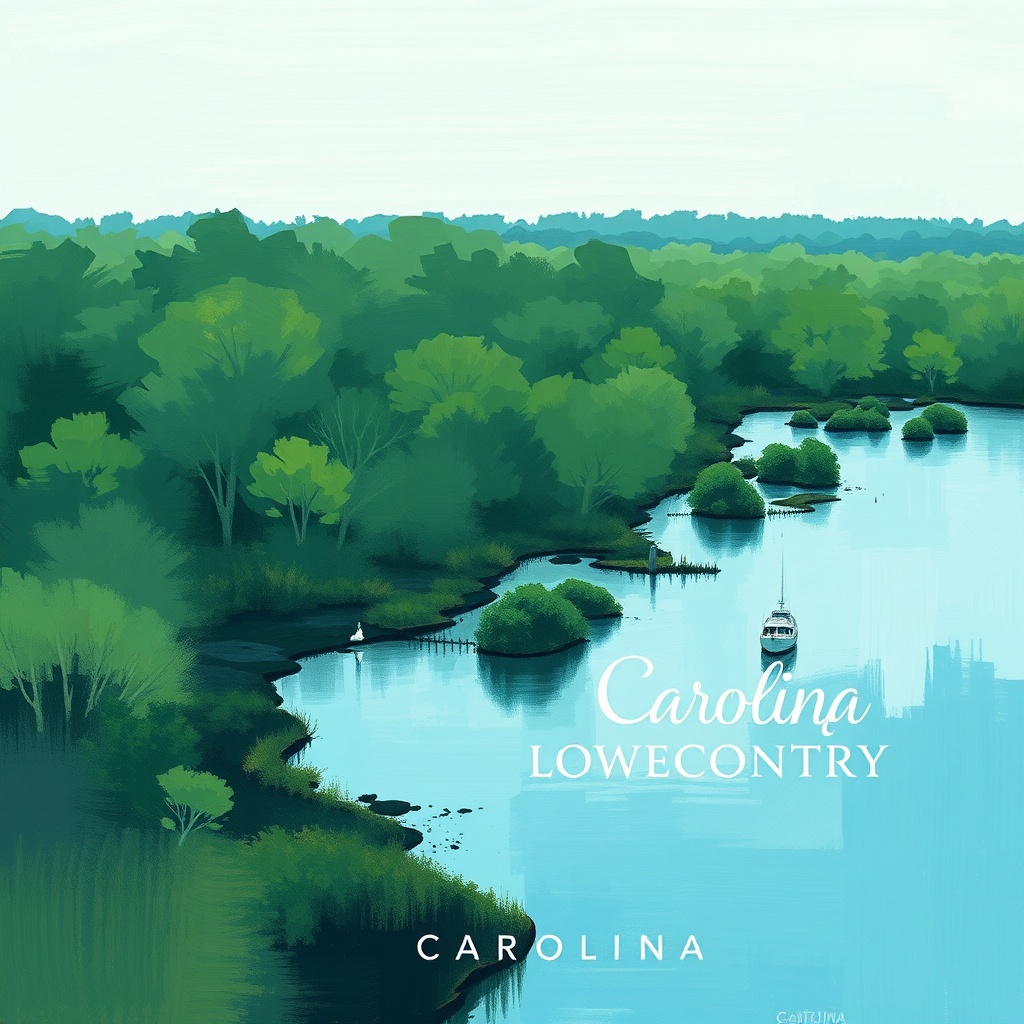
– Landscapes: Tidal salt marshes, long barrier islands, and estuaries create a mosaic of productive ecosystems. These places act as nurseries for fish and crustaceans, filter water, and buffer storms.
– Culture: Gullah-Geechee traditions remain vibrant here—language, music, folklore, and the sweetgrass basket weaving practiced on Sea Islands connect present-day life with deep ancestral roots.
– Food: Lowcountry cuisine centers on fresh seafood and local produce.
Expect shrimp and grits, Lowcountry boil, oysters, and rice-and-seafood dishes made from recipes passed down through generations.
Top experiences to include
– Marsh and boat tours: Guided excursions reveal the ecology of tidal creeks and salt marshes. Look for tours led by naturalists who point out wading birds, dolphins, and the marsh plants that define the habitat.
– Barrier islands: Explore barrier islands by foot, ferry, or kayak. Some islands are pristine and undeveloped—ideal for birding and quiet beaches—while others offer historic sites, dining, and lodging.
– Historic towns: Charleston, Beaufort, and smaller river towns feature historic architecture, cobblestone streets, and curated museums. Guided walking tours add depth, especially ones that explore Gullah history and local conservation efforts.
– Culinary trails: Follow seafood markets and family-run restaurants to taste the region’s flavors. Farmer’s markets are a great way to meet producers and try local fruits and heirloom vegetables.
– Outdoor recreation: Kayaking, stand-up paddleboarding, fishing, and cycling are accessible even for beginners.
Bring binoculars for birdwatching—marshes host herons, egrets, and migratory shorebirds.
Sustainability and stewardship
The Lowcountry faces environmental pressures from development and rising water levels. Conservation work—oyster reef restoration, living shorelines, and marsh rehabilitation—is expanding to protect habitats and shorelines. Many local operators now offer eco-friendly tours and support restoration projects; choosing responsible guides helps fund long-term stewardship.
Respectful cultural travel
Engage with Gullah culture through community-run tours, cultural centers, and craft demonstrations. Buy sweetgrass baskets from local weavers rather than souvenir stands to support artisans directly. Listen and learn—conscious travel helps maintain cultural integrity while contributing economically to local communities.
Practical tips
– Timing: Mornings and evenings are best for wildlife viewing and cooler conditions. Midday is ideal for dining and indoor museum visits.
– What to bring: Sun protection, bug repellent, water, and comfortable water-ready footwear. If kayaking, a waterproof bag for essentials is handy.
– Book locally: Choosing local guides and accommodations supports the communities that preserve the Lowcountry’s landscapes and traditions.
The Carolina Lowcountry is a place where nature and culture are intertwined.
Slow down, follow the tidal rhythm, taste the local fare, and you’ll discover why this coastal region continues to enchant visitors and inspire conservation-minded residents.