
 Emma Jantzen
 Memphis BBQ: Why It Stands Out — Dry Ribs, Pulled Pork & Smoking Secrets
What Makes Memphis BBQ Stand Out
Memphis BBQ is a cornerstone of American barbecue culture, known for its pork-focused preparations, balance of smoke and sauce, and strong local traditions. Unlike some regional styles that emphasize beef or heavy sauce, Memphis celebrates the nuanced flavors of slow-smoked pork—especially ribs and pulled shoulder—delivered either “dry” with a seasoned rub or “wet” glazed with sauce during the final minutes of cooking.
Signature Styles and Techniques
– Dry ribs: A Memphis hallmark, dry ribs are coated with a spice rub—paprika, brown sugar, garlic powder, onion powder, black pepper, and a touch of cayenne—then slow-smoked until the exterior forms a flavorful bark while the meat remains tender.
– Wet ribs: These start with the same rub but are basted with a tangy, tomato-forward sauce during the last phase on the pit, creating a sticky, glossy finish.
– Pulled pork (shoulder/boston butt): Low and slow smoking renders connective tissue and fat into gelatin, producing meat that shreds easily. Some cooks wrap the shoulder during the stall to speed the process; purists may leave it unwrapped to preserve the bark.
– Mop and glaze: A thin mop sauce or tangy glaze is often applied intermittently to maintain moisture and build layers of flavor.
Wood, Heat, and Timing
Memphis smokers typically use fruitwoods and hardwoods—hickory, pecan, oak, and apple are popular choices—for a balanced smoke that complements, rather than overwhelms, pork. Smoking is done at low temperatures, commonly around 225–275°F, with long cook times tailored to cut and size.
Pulled pork is often pulled once internal temperature and tenderness reach the point where the meat easily separates—many pitmasters track tenderness over exact numbers.
The Role of Sauce and Sides
Memphis sauce tends to be sweet, tangy, and tomato-based, with moderate acidity and heat so it doesn’t drown the smoke flavor.
Side dishes are integral: creamy coleslaw, tangy baked beans, crisp fries, and dense corn bread all make frequent appearances.
A distinctive regional presentation pairs pulled pork with a scoop of coleslaw on the sandwich, offering texture contrast and acidity against rich meat.
Modern Trends and Variations
The Memphis scene is evolving with creative variations—barbecue tacos, vegetarian-friendly smoked jackfruit, and fusion flavors that blend Southern tradition with global spices.
Craft cocktails and local beers are now common partners to barbecue plates, and many spots offer tasting flights or samplers to showcase different rubs, woods, and finishing techniques.
Tips for Recreating Memphis BBQ at Home
– Start with the rub: Balance sweet, smoky, and savory elements.
Apply liberally and let meat rest before hitting the smoker.
– Choose the right wood: Pecan or hickory for a classic profile; apple or cherry for subtle fruit notes.
– Maintain low heat and resist the urge to rush: Patience yields a better bark and tender interior.
– Finish with restraint: If you prefer wet ribs or sauced sandwiches, glaze near the end so the sauce caramelizes without burning.
– Rest before serving: Let pulled pork relax for 20–30 minutes to reabsorb juices.
Where to Experience It
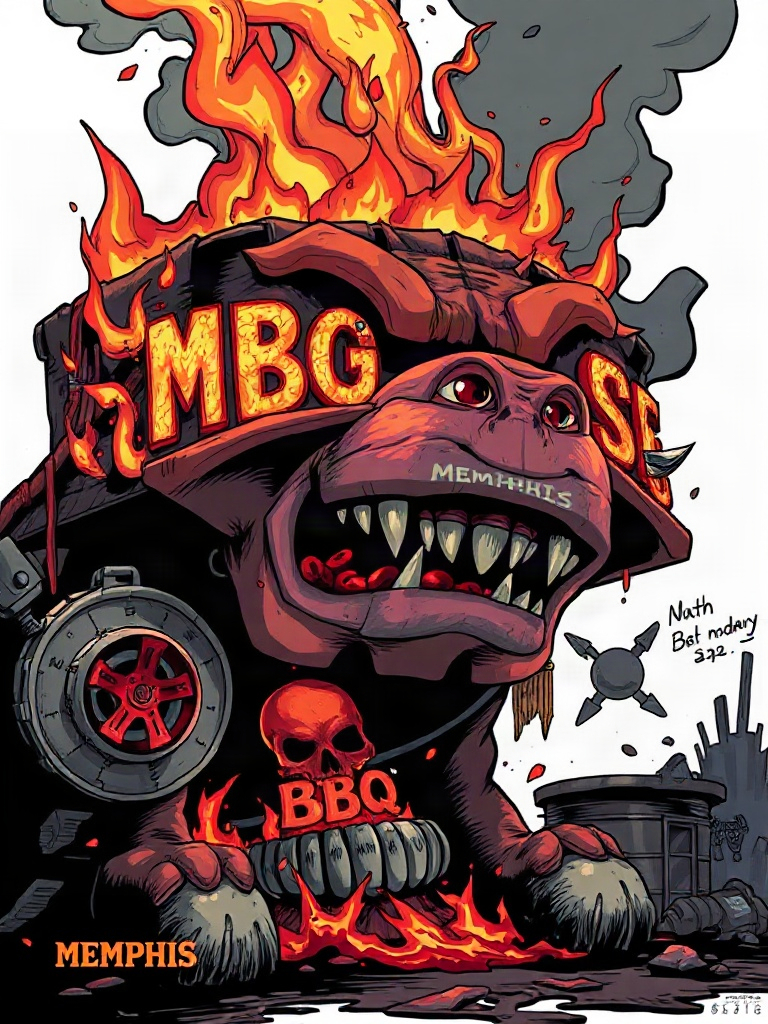
Memphis BBQ ranges from veteran backyard pitmasters to bustling BBQ joints and food halls. Seek places that cook over wood, show consistent smoke ring and bark, and balance sauce so it complements rather than conceals the meat.
Festivals and neighborhood smokeouts remain the best way to sample multiple styles and discover a favorite pitmaster.
Memphis BBQ is about craft, community, and flavor.
Whether dining at a local joint or firing up your own smoker, focus on the fundamentals—wood, temperature, time, and restraint—and you’ll capture the spirit of this beloved barbecue tradition.