
 Emma Jantzen
 Carolina Lowcountry Travel Guide: Salt Marshes, Seafood, and Gullah Culture
Carolina Lowcountry: salt marshes, seafood, and the living culture that defines the coast
The Carolina Lowcountry stretches along the southeastern coastline, where tidal creeks braid through bronze marsh grass and live oaks draped in Spanish moss line historic streets. This region is cherished for its unique landscape, rich cultural heritage, and a food scene rooted in the bounty of the sea.
What defines the Lowcountry
The Lowcountry is as much an ecosystem as it is a cultural place. Tidal marshes and estuaries filter water, support fisheries, and cradle migratory birds.
Barrier islands and tidal creeks moderate storms and create the conditions for the fisheries and saltwater farms that feed nearby towns.
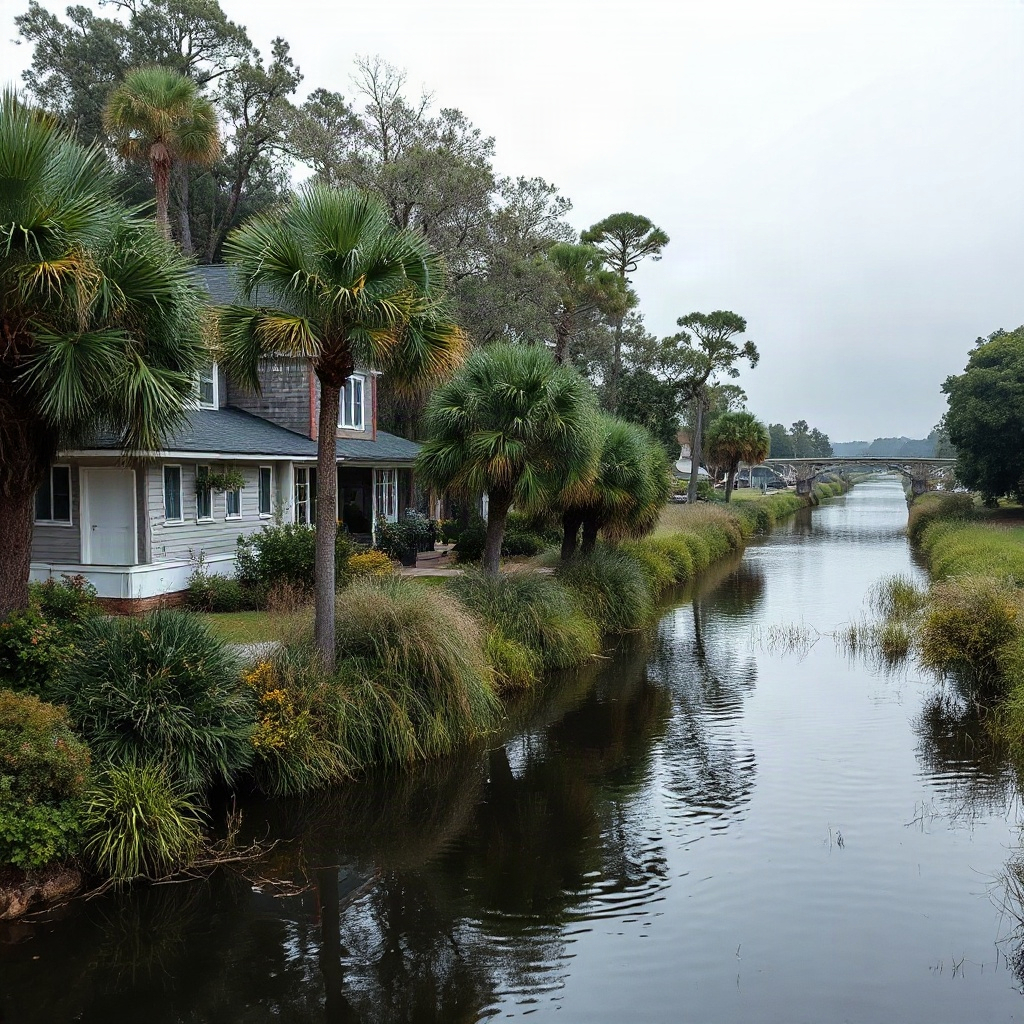
On the human side, communities shaped by Gullah-Geechee traditions, coastal plantation history, and maritime trades create a living culture that visitors and residents find compelling.
Top experiences to plan for
– Explore the waterways: Kayaking or paddleboarding through creeks and salt marshes offers quiet wildlife viewing—herons, osprey, and dolphins are common sights. Guided eco-tours are a great way to learn local ecology and best practices for low-impact recreation.
– Visit barrier islands: Car-free islands and ferry-access spots provide pristine beaches, historic villages, and walking trails. Each island has its own character, from quiet dunes to lively harbor towns.
– Historic and cultural tours: Museums, plantations, and community-led Gullah-Geechee experiences offer deeper context on the region’s layered history. Look for tours that center local voices and preservation efforts.
– Birding and nature photography: The Lowcountry ranks high for shorebirds and migratory species.
Early mornings and late afternoons are prime for photos and fewer crowds.
A taste of the region
Lowcountry cuisine highlights simple, fresh ingredients prepared with coastal creativity.
Shrimp and grits, she-crab soup, oysters, and Lowcountry boils showcase seafood at its best. Farm stands and seasonal markets complement seafood with local produce, benne seeds, and artisanal preserves.
Seek out restaurants that prioritize sustainable sourcing and support local fisheries and oyster farms.
Conservation and resilience
The Lowcountry faces environmental pressures—shoreline erosion, water quality concerns, and the impacts of changing coastal conditions. Local groups, universities, and municipalities are focused on practical responses like marsh restoration, living shorelines, and oyster reef rebuilding, which help stabilize sediment and improve habitat.
Community-driven conservation that blends traditional knowledge and modern science is central to preserving the region’s ecological and cultural wealth.
Travel tips and mindful visiting
– Respect private lands and wildlife: Stick to designated trails and marsh crossings. Tides can change rapidly—check local tide charts before heading out.
– Support local businesses and cultural stewards: Choose guides, tours, and eateries that employ and uplift community members, especially those preserving Gullah-Geechee heritage.
– Consider low-impact travel: Bring reusable water bottles, avoid single-use plastics, and follow Leave No Trace principles to keep beaches and waterways clean.
Whether you’re drawn by the quiet geometry of marsh creeks, the flavor of freshly caught seafood, or the living traditions of coastal communities, the Carolina Lowcountry offers layered experiences that reward curious, respectful exploration.
Plan ahead, choose sustainable options, and you’ll find a region where natural beauty and human history meet on the tide line.
0 Comment