
 Emma Jantzen
 Bayou Life: A Traveler’s Guide to Wildlife, Cajun Cuisine, and Responsible Swamp Tours
Bayou life blends slow-moving water, dense cypress stands, and a culture shaped by the land and water that sustain it. For travelers, anglers, and anyone drawn to rich ecosystems and distinctive foodways, the bayou offers an immersive experience where wildlife, history, and community meet.
What makes the bayou unique
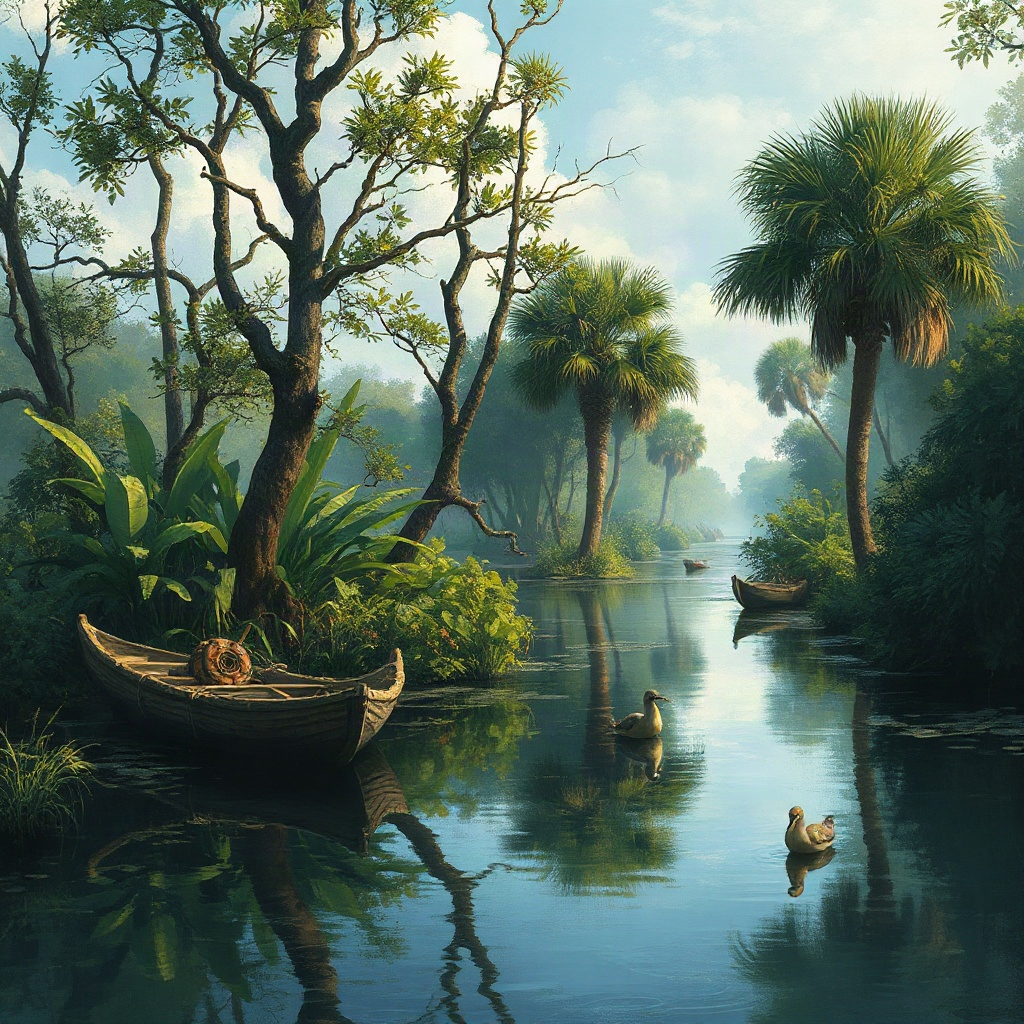
Bayous are shallow, slow-flowing waterways often bordered by cypress and tupelo trees draped in Spanish moss.
They act as natural filters, trapping sediment and improving water quality while serving as nurseries for fish and crustaceans. The intricate web of marshes, swamps, and freshwater channels supports birds, alligators, otters, and an astonishing diversity of plant life — a living laboratory for nature lovers.
Bayou cuisine and culture
Food is central to bayou culture.
Traditional dishes like gumbo, jambalaya, and crawfish boils reflect French, African, Native American, and Spanish influences, with local seafood and seasonings at the core. Sharing a pot of slow-cooked gumbo or joining a neighborhood crawfish boil is as much about community as it is about flavor. Music also threads through daily life: zydeco and Cajun tunes keep time for dances, festivals, and impromptu gatherings.
How to experience the bayou responsibly
– Take an eco-conscious swamp tour: Choose operators who follow best practices for wildlife viewing and habitat protection. Small-group tours in shallow-draft boats or pirogues minimize disturbance.
– Respect wildlife: Observe from a distance; never feed or harass animals, especially alligators. Feeding wildlife alters natural behavior and creates danger for both animals and people.
– Pack smart: Bring insect repellent, sun protection, waterproof footwear, and a binocular or waterproof camera. Lightweight, moisture-wicking clothing works best for humid conditions.
– Learn local etiquette: Many bayou communities are tight-knit. Support local guides, eateries, and artisans to help sustain the culture and economy.
Fishing, hunting, and sustainable harvest
Recreational fishing and seasonal harvests are part of bayou life. Species like bass, redfish, catfish, and shrimp provide food and livelihoods. Sustainable practices — catch limits, size regulations, and seasonal closures — help maintain healthy populations. Purchasing locally harvested seafood from reputable sources supports sustainable harvest and local families.
Threats and conservation
Bayous face pressures from development, drainage, invasive species, and changing water patterns. Saltwater intrusion and wetland loss can shrink habitats and reduce biodiversity.
Conservation efforts focus on wetland restoration, living shorelines, and community-led stewardship programs. Supporting organizations that work on habitat restoration and responsible coastal management directly contributes to the resilience of bayou ecosystems.
Why bayou life matters
The bayou is more than a scenic backdrop.
It’s a complex system that regulates water, shelters wildlife, and anchors cultural identities.
Visiting with curiosity and respect, buying local, and supporting conservation helps ensure these waterways remain vibrant for future generations.
Whether seeking a quiet paddle through cypress knees, a lively music night in a local dance hall, or a steaming bowl of gumbo shared among new friends, bayou life rewards those who slow down and listen. Embrace the rhythm of the water, taste the regional flavors, and leave the marshes as you found them — wild and thriving.
0 Comment