
 Emma Jantzen
The Ultimate Memphis BBQ Guide: Dry vs. Wet Ribs, Pulled Pork & Home Smoking Tips
Memphis BBQ is one of America’s most celebrated regional barbecue traditions, known for its pork-forward menu, smoky depth, and a friendly rivalry between dry- and wet-style preparations. Whether enjoyed at a hole-in-the-wall pit, a competition tent, or recreated at home, Memphis barbecue balances simplicity and technique to highlight quality meat and bold seasoning.
What makes Memphis barbecue distinct
– Pork reigns supreme: Ribs and pulled pork shoulder are the cornerstones. Whole-hog offerings appear in some smokehouses and contests, but pulled pork from the shoulder (sometimes called Boston butt) and spare ribs or St. Louis–cut ribs are staples.
– Dry vs. wet: The signature debate. Dry ribs are rubbed with a spice blend before smoking and served with little or no sauce, showcasing bark and smoke. Wet ribs are brushed with sauce during or after cooking for a glossy, saucy finish.
– Sauce philosophy: Memphis-style sauce is typically tomato-based with a balance of sweetness and tang. It’s thinner than some regional sauces, meant to complement rather than overwhelm the meat. Many local pitmasters offer their own twist—some tangier, some sweeter, some with more heat.
Techniques and flavors that define the style
Low-and-slow smoking is essential. A consistent, moderate heat and a steady supply of smoke let connective tissues break down and develop a deep, mahogany bark. Wood choices matter: hickory and oak are classic, lending a robust, slightly sweet smoke; fruitwoods like apple or pecan add milder, fruity notes.
Rubs are straightforward but impactful—paprika for color, brown sugar for caramelized sweetness, salt and pepper to season, and spices like garlic, onion, and cayenne for depth.
Many pitmasters use a light binder (like yellow mustard) to help rubs adhere, then let the smoke do the rest.
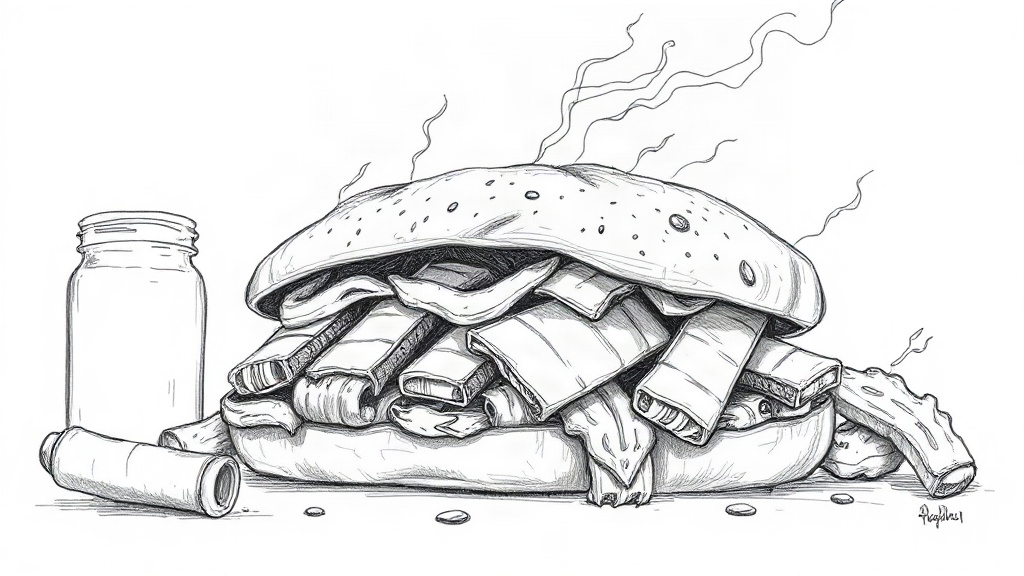
Pulled pork is finished when the meat reaches probe tenderness and can be shredded easily, then dressed with sauce or served au naturel. Resting the meat before pulling lets juices redistribute; some purists insist on minimal sauce to savor the smoke and seasoning.
Sides and culture
A Memphis barbecue plate isn’t complete without classic sides: tangy coleslaw, baked beans, crisp fries, white bread, and banana pudding or chess pie for dessert. Eating barbecue in Memphis is as much about the communal experience as the food—pitmasters trade techniques, competitions draw crowds, and longtime joints maintain fiercely loyal followings.
Tips for making Memphis-style BBQ at home
– Choose the right cut: For pulled pork, select a well-marbled shoulder; for ribs, choose spare or St. Louis–cut ribs for a meatier bite.
– Master the rub: Mix paprika, brown sugar, salt, black pepper, garlic and onion powder, and a touch of cayenne. Apply evenly and let it set.
– Control heat and smoke: Aim for steady, moderate heat and use hardwood for clean smoke. Avoid heavy billows of acrid smoke, which can impart bitterness.
– Know when it’s done: Look for a deep bark, an easy probe, and meat that pulls apart with minimal effort.
Rest the meat before serving.
– Try both styles: Smoke a rack dry and another glazed with sauce to compare textures and flavors.
Memphis barbecue is approachable enough for backyard smokers and nuanced enough to reward a lifetime of learning.
Exploring both the dry and wet traditions, tasting local variations, and practicing the fundamentals of low-and-slow smoking will bring the smoky, sweet, and savory flavors of Memphis to any table.
0 Comment