
 Emma Jantzen
Beginner’s Guide to Cajun Cooking: Master the Trinity, Roux, Homemade Seasoning & an Easy Shrimp-Sausage Skillet
Cajun cooking is the kind of food that grabs you by the senses: smoky, spicy, and deeply comforting. Rooted in rustic, resourceful cooking traditions, it blends French technique with African, Native American, and Spanish influences to create intensely flavored dishes built on a few simple principles. Mastering these basics will let you bring authentic bayou flavor to your kitchen.
Core elements every home cook should know
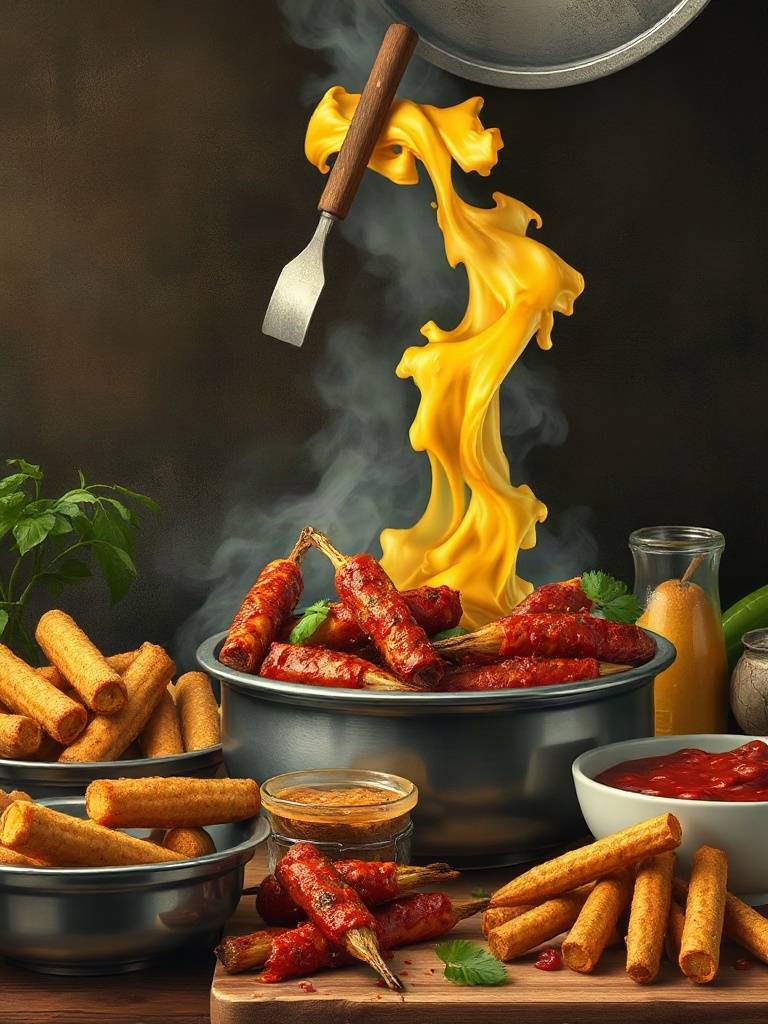
– The trinity: onions, celery, and green bell pepper form the aromatic backbone of most Cajun dishes. Sweat them gently to release sweetness without browning.
– Roux: a cooked mixture of fat and flour used to thicken and flavor gumbos and stews. A blonde roux offers nutty sweetness; a brown or dark roux delivers deeper, toasted notes. Patience and low heat are the secret — stir constantly to avoid burning.
– Stock: good stock (chicken, seafood, or vegetable) amplifies flavor far more than water. Simmer with leftover shells, bones, or vegetable scraps for extra richness.
– Spice: Cajun seasoning balances paprika, cayenne, garlic and onion powders, oregano, thyme, salt, and pepper. It’s assertive but not overwhelming when layered correctly.
Key techniques and dishes
– Gumbo: a thick, stew-like dish finished with filé powder (ground sassafras leaves) or a well-made roux. Add okra for natural thickening and texture.
– Jambalaya: a one-pot rice dish where the rice absorbs stock and the flavors of meat and seafood. There are Creole and Cajun styles — the Cajun (or “brown”) version browns the meat first for a deeper flavor.
– Blackened cooking: searing heavily seasoned meat or fish in a very hot cast-iron skillet to form a spicy, charred crust. Use clarified butter or oil with a high smoke point.
– Étouffée: shrimp or crab smothered in a rich, roux-based sauce served over rice — a study in concentrated comfort.
Quick homemade Cajun seasoning
– 2 tbsp paprika
– 1 tbsp kosher salt
– 1 tbsp garlic powder
– 1 tbsp onion powder
– 1 tsp cayenne (adjust to heat preference)
– 1 tsp black pepper
– 1 tsp dried oregano
– 1 tsp dried thyme
Mix and store in an airtight jar.
Use for meats, roasted vegetables, and to season soups and stews.
Simple shrimp and sausage skillet (weeknight-friendly)
Ingredients:
– 1 lb shrimp, peeled and deveined
– 8 oz andouille or smoked sausage, sliced
– 1 tbsp Cajun seasoning
– 2 tbsp butter or oil
– 1 cup chopped onion, celery, and green pepper combined
– 2 cloves garlic, minced
– 1/2 cup chicken stock or dry white wine
– Cooked rice, for serving
Method:
1.
Season shrimp lightly with half the Cajun seasoning. Heat oil in a cast-iron skillet and brown sausage. Remove.
2. Add butter, then sauté the trinity until soft.
Add garlic and remaining seasoning.
3. Deglaze with stock or wine, scraping browned bits, then return sausage and add shrimp. Cook until shrimp are opaque, about 2–3 minutes.
4. Serve over rice with chopped parsley and lemon wedges.
Practical tips
– Mise en place is essential — prep seafood, dice vegetables, and measure spices before heating the pan.
– Control heat for roux: low and steady prevents burning; darkness develops deeper flavor.
– Adjust heat and salt at the end.
Spices bloom during cooking, but acidity (lemon or vinegar) and finishing salt bring brightness.
– Make ahead: gumbo and stews deepen in flavor after sitting and freeze well for easy meals.
Cajun cooking rewards experimentation. Start with the trinity and a good roux, learn to layer flavors, and don’t be afraid to swap proteins or go vegetarian.
The result is food that’s bold, comforting, and perfectly suited to both weeknight dinners and festive gatherings.
0 Comment