
 Emma Jantzen
Gulf Seafood Guide: Sustainable Sourcing, Safety & Cooking Tips
Gulf seafood remains a culinary and cultural cornerstone for coastal communities and seafood lovers inland.
From plump Gulf shrimp and briny oysters to sweet blue crab and flaky snapper, the Gulf’s harvest offers diversity, bold flavor, and plenty of ways to enjoy fresh seafood while supporting local economies.
Why Gulf seafood stands out
Gulf seafood benefits from warm, productive waters that sustain a variety of species prized by chefs and home cooks. Wild-caught shrimp—both white and brown—are a staple for everything from casual shrimp boils to elegant sautéed dishes.
Gulf oysters are celebrated for their clean, salty-briny profile and are central to raw bars, chargrilled preparations, and restorative reef restoration projects. Blue crab and grouper provide meatier options that shine in crab cakes, stews, and simple pan-searing.
Sustainability and traceability
Sustainable harvesting and aquaculture practices are becoming more visible across the Gulf. Look for products with credible third-party certifications and ask vendors about sourcing and seasonality. Oyster farms are expanding, helping rebuild reefs and provide a reliable, low-impact source of shellfish. Traceability tools—like QR codes on packaging or seafood market signage—make it easier to learn where your fish or shellfish came from and whether it was wild-caught or farmed.
Health and safety considerations
Two important safety topics for Gulf seafood buyers are harmful algal blooms (commonly called red tide) and marine bacteria. During algal blooms, certain shellfish can accumulate toxins that cause illness if consumed raw or undercooked; local seafood advisories will note closures and testing results.
Vibrio bacteria, naturally present in warm coastal waters, can contaminate raw oysters and other shellfish; people with weakened immune systems, liver disease, or certain chronic conditions should avoid raw shellfish and opt for cooked preparations instead.
Practical tips for buying and storing
– Buy from reputable fishmongers or markets that display harvest information and handle seafood on ice.
– Fresh fish should smell mildly briny—avoid overly fishy or sour odors. Shellfish should be alive when sold; closed shells indicate freshness.
– Store seafood cold and use it quickly: keep on ice in the coldest part of the refrigerator and cook or freeze within a recommended short timeframe.
– Cook finfish to an internal temperature of 145°F until opaque and flakey; make sure shellfish are cooked through to reduce infection risk.
Culinary trends and serving ideas
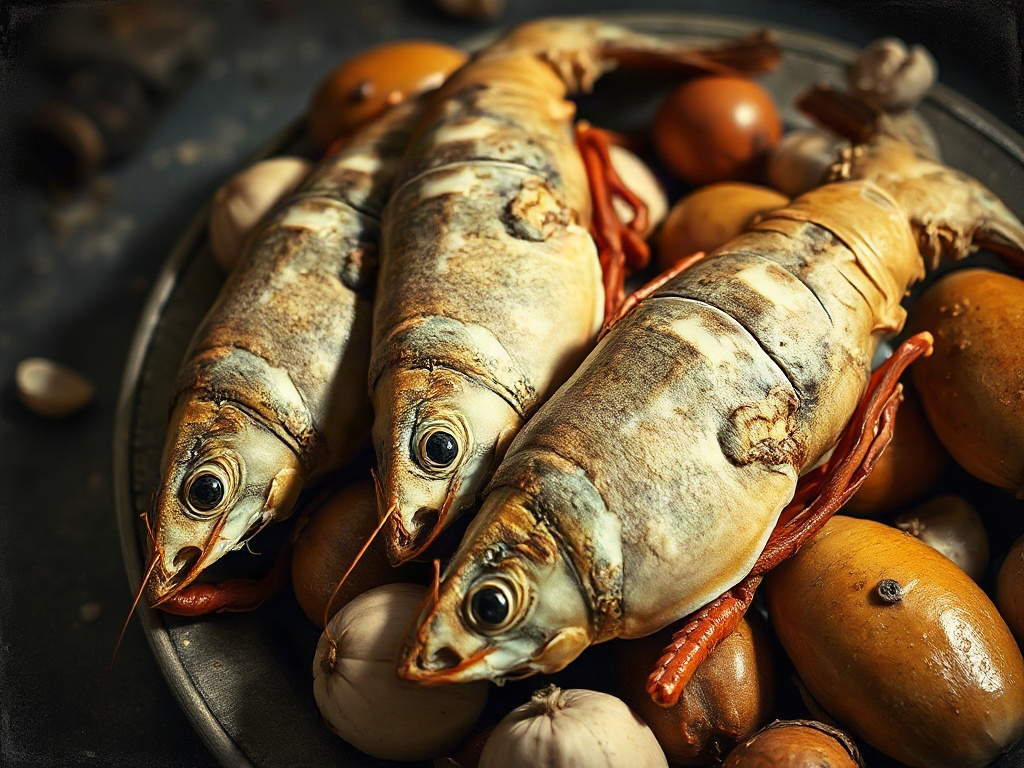
Simple preparations let Gulf seafood shine. Try blackening or pan-searing fillets with a citrus finish, steaming oysters and topping with a spicy mignonette, or tossing shrimp into a garlic-and-herb pasta. Sustainable swaps—using smaller, abundant species instead of overfished targets—are both eco-friendly and flavorful. For gatherings, a Gulf-style boil with corn, potatoes, and spice is crowd-pleasing and straightforward.
Supporting coastal communities
Choosing Gulf seafood from responsible sources helps sustain fishing families, local processors, and restoration projects that protect habitat for future harvests. Asking questions at the market, following local advisories, and favoring traceable, sustainably produced options are small actions with meaningful impact.
Whether you favor raw oysters, spicy shrimp, or flaky whitefish, Gulf seafood delivers fresh flavor and culinary versatility. Enjoy it with attention to safety and sustainability to keep the Gulf’s fisheries productive and delicious for years to come.
0 Comment