
 Emma Jantzen
Magnolia Trees: A Complete Guide to Choosing, Planting & Caring
Magnolia trees bring show-stopping blooms, rich fragrance, and year-round structure to landscapes. Whether you want a small specimen for a courtyard, a towering evergreen for a southern lawn, or a screening tree with seasonal drama, magnolias deliver visual impact with surprisingly simple care.
Why magnolias are garden favorites
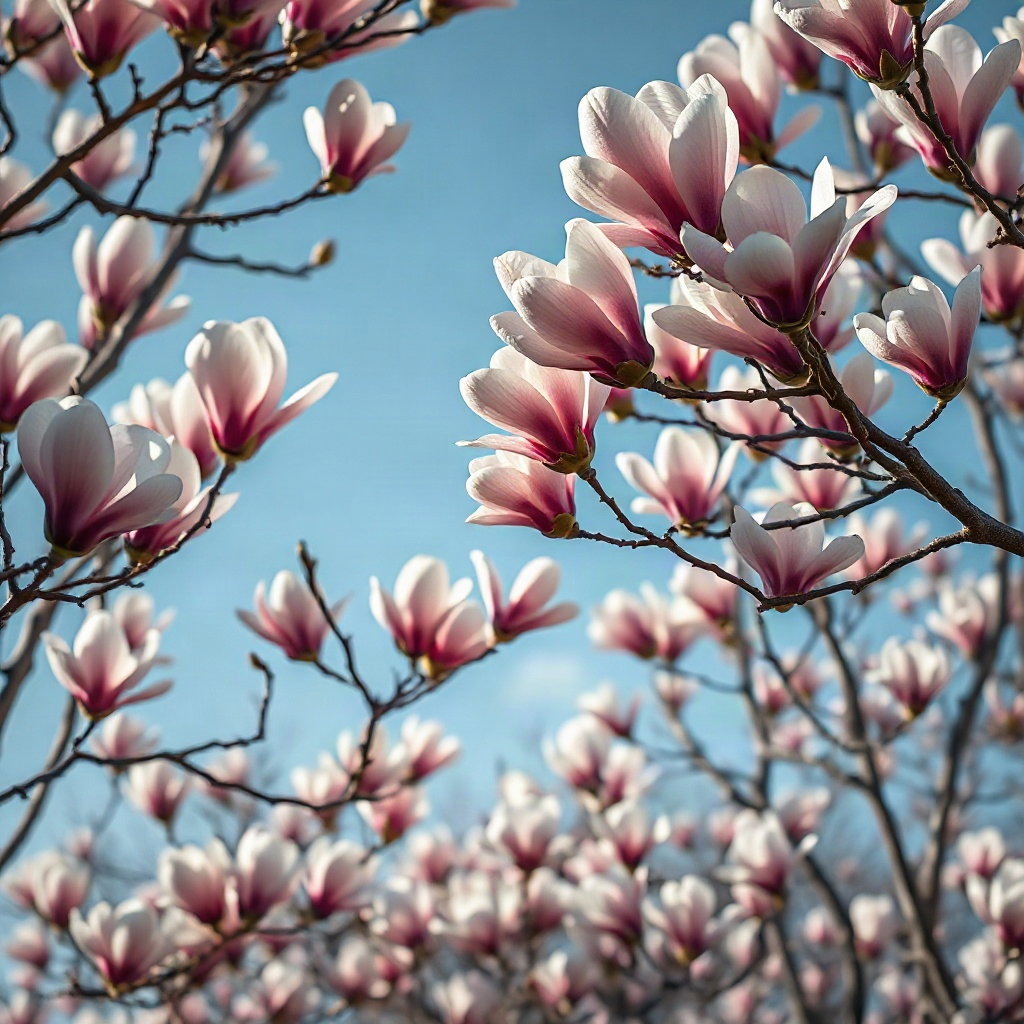
– Dramatic flowers: From large creamy cups on evergreen southern magnolias to delicate star-shaped blossoms on star magnolias, these trees offer a range of bloom shapes and scents. Some species bloom before leaf-out for a striking floral display; others flower later and pair blooms with foliage.
– Versatility: Sizes range from compact shrubs to large shade trees. Dwarf and semi-dwarf cultivars suit containers and small yards.
– Wildlife value: Flowers attract beetles and other pollinators. Dense branching in some species offers shelter for birds.
Choosing the right variety
Select a species and cultivar that match your climate, space, and aesthetics.
Evergreen magnolias (like southern types) do well in warmer, humid climates and provide year-round screening. Deciduous magnolias (like saucer and star magnolias) offer dramatic spring shows but may be more sensitive to late frost. Look for compact cultivars if space is limited.
Planting and site selection
– Light: Most magnolias prefer full sun to light shade. In very hot climates, afternoon shade can help prevent leaf scorch on some deciduous varieties.
– Soil: They favor rich, slightly acidic, well-draining soil. Avoid heavy, waterlogged soils; raised beds or amended soil improves performance on difficult sites.
– Space: Account for mature width—many magnolias have broad, spreading crowns.
Plant where roots won’t be competing with foundations or pavement.
Watering, mulching, and feeding
– Water deeply and regularly during the first few seasons to establish a strong root system; after that many species tolerate moderate drought.
– Apply a 2–3 inch layer of organic mulch, keeping it pulled back a few inches from the trunk to prevent rot and allow airflow.
– Feed lightly with a balanced, slow-release fertilizer in spring if growth looks weak; avoid excessive nitrogen which can reduce flowering.
Pruning and maintenance
– Prune sparingly—magnolias generally respond best to minimal shaping.
Remove dead, damaged, or crossing branches.
– Time pruning for after flowering on spring-blooming types to avoid cutting off next season’s buds. For evergreen types, late winter pruning to shape is usually safe.
– Avoid topping or heavy shearing; preserve the tree’s natural form.
Pest and disease notes
Magnolias are relatively robust but can show problems in poor sites. Common issues include scale insects, leaf spot, and root rot in poorly drained soil. Monitor for scale and treat early with horticultural oil or targeted insecticides when necessary. Good sanitation—removing fallen leaves and avoiding overwatering—reduces disease risk.
Propagation and long-term care
Magnolias can be grown from seed, cuttings, or grafting; grafted nursery stock often preserves desirable cultivars and flowers sooner. Because many magnolia roots are shallow and sensitive, avoid planting too deeply and minimize root disturbance.
Design tips
Use magnolias as a focal specimen, street tree, or mixed-border anchor. Underplant with shade-tolerant companions like azaleas, ferns, and hostas for layered texture. For small spaces, choose dwarf cultivars or multi-stem forms that provide structure without overwhelming the site.
For best results, select cultivars suited to your local climate and soil, give magnolias a good establishment period, and respect their natural form. With the right siting and light maintenance, these trees reward gardeners with unforgettable blooms and lasting presence.
0 Comment