
 Emma Jantzen
Gulf Seafood Guide: How to Buy, Store, Cook and Choose Sustainable Shrimp, Oysters & Fish
The Gulf produces some of the nation’s most prized seafood—plump oysters, sweet shrimp, red snapper and robust grouper—offering rich flavor and coastal heritage. Whether you buy from a dockside market or a neighborhood grocer, understanding quality, safety and sustainability will help you enjoy the best of Gulf seafood while supporting healthy fisheries.
What makes Gulf seafood special
Gulf waters create ideal habitat for many species: productive estuaries, seagrass beds and oyster reefs support juvenile fish and shellfish. That abundance translates into distinctive textures and flavors—Gulf shrimp tend to be sweet and firm, Gulf oysters are meaty and briny, and reef fish carry a clean, slightly sweet profile that stands up to bold preparations.
Buying and storing: how to get the freshest catch
– Buy local when possible. Ask where and when a fish or shellfish was harvested and whether it was wild-caught or farmed. Dock-to-table purchases often mean fresher product and better traceability.
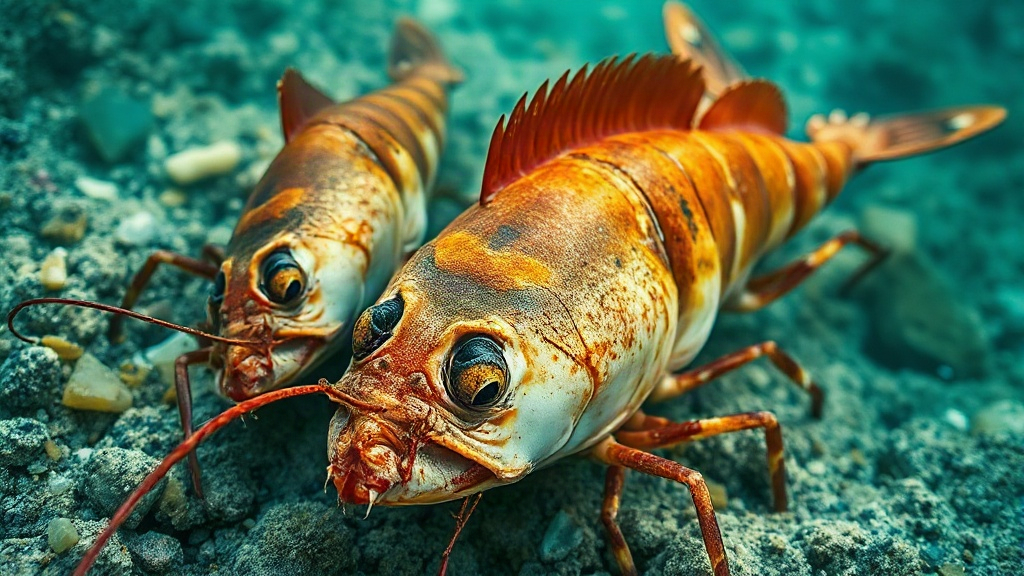
– For fish, look for bright, clear eyes, red gills and firm flesh that springs back when pressed. Avoid strong “fishy” odors.
– For shellfish, live oysters and clams should have tightly closed shells or snap shut when tapped. Discard any shellfish with cracked shells or persistent off-odors.
– Keep seafood cold: refrigerate immediately and use within recommended timeframes. For longer storage, flash-freeze or freeze in airtight packaging.
Health and safety considerations
Harmful algal blooms (commonly called red tide) can affect Gulf waters and may lead to closures for recreational and commercial shellfishing. Shellfish can accumulate toxins that are not removed by cooking, so always check local health advisories before harvesting or buying shellfish during unusual discoloration or odors in the water.
When eating raw or undercooked shellfish, choose reputable sources and be aware that individuals with compromised immune systems or chronic illness should avoid raw shellfish.
Sustainability: what to look for
Support fisheries that protect habitat and minimize bycatch. Look for seafood from suppliers that can confirm responsible practices, and consider third-party certifications or traceability claims that document harvest methods. Many fishermen and cooperatives now use bycatch-reduction devices and gear designed to limit habitat damage, and restoration projects—like oyster reef rebuilding and wetland protection—help sustain productive coastal ecosystems.
Cooking tips and simple recipes
– Shrimp: versatile and fast.
Sauté or grill briefly—finish with lemon, garlic and a touch of butter to highlight sweetness. Avoid overcooking; shrimp are done when just opaque and firm.
– Oysters: enjoy raw with a bright mignonette or grill/charbroil with a garlic-herb butter for a richer finish.
– Reef fish (snapper, grouper): are ideal for pan-searing, baking whole or grilling. A light spice rub, hot skillet and a squeeze of citrus will elevate natural flavors without masking them.
– Blackening and Creole-style preparations are regional signatures—bold spice blends and high-heat techniques bring out a crisp crust and deep flavor.
How consumers can help
Ask questions at the market, favor suppliers who share harvest information, and choose species that are abundant or harvested with minimal habitat impact. Supporting restoration efforts and local fishing communities helps preserve both the seafood and the coastal way of life.
Enjoying Gulf seafood responsibly ensures great flavor on your plate while protecting the ecosystems and livelihoods that make that seafood possible.
0 Comment