
 Emma Jantzen
 1. “Embracing the Southern Charm: A Comprehensive Guide to Magnolia Trees”
Magnolia Trees: A True Southern Belle of the Botanical World
Magnolia trees offer a graceful charm that few other trees can emulate. Known for their large, aromatic blooms, these iconic trees have been gracing southern landscapes for centuries.
From their grandeur to their botanical benefits, it’s no wonder that magnolia trees are the crown jewel of any garden they inhabit.
Originating from Southeast Asia and the Americas, magnolia trees have a rich history. The magnolia family is actually one of the oldest flowering plant families in existence. These ancient trees, currently thriving in various climates around the world, are a living testament to their robustness and adaptability.
Diving into the World of Magnolia Trees
There’s a myriad of magnolia tree species, each boasting its unique characteristics. Some of the most popular types are the Southern magnolia, the Saucer magnolia, and the Star magnolia.
The Southern magnolia, also known as Magnolia grandiflora, is what typically comes to mind when one thinks of magnolia trees. It’s a large, evergreen tree with glossy, thick leaves and large, fragrant white flowers. The Saucer magnolia, on the other hand, is a deciduous tree that is a hybrid of the Magnolia denudata and Magnolia liliiflora. It’s known for its saucer-shaped flowers that bloom in early spring.
The Star magnolia is the smallest of the three, a shrub-like tree that is often used in landscapes due to its compact size.
Magnolia Trees and Their Botanical Benefits
Apart from their aesthetical allure, magnolia trees also offer a wealth of botanical benefits. For one, they’re excellent pollinators.
The large, fragrant flowers of magnolia trees attract a variety of pollinators, including bees, beetles, and birds. This can boost the overall biodiversity of your garden.
In addition, the leaves of magnolia trees are a valuable source of organic matter.
They’re thick and decompose slowly, providing excellent mulch for plants.
Moreover, the roots of magnolia trees are known to improve soil structure and fertility as they break down clay soils and add organic matter.
Caring for Your Magnolia Tree
Caring for a magnolia tree doesn’t require an expert’s touch. These hardy trees require little maintenance once they’re established. As a rule of thumb, magnolias prefer slightly acidic, well-draining soil. They also thrive best in full sun to partial shade.
A magnolia tree does not usually require pruning. However, if you need to shape the tree or remove dead branches, it’s best to do so in late winter or early spring before the tree starts budding.
When it comes to watering, young magnolia trees need regular watering until they’re established. After that, they’re pretty drought-resistant and can handle occasional dry spells.
With their stunning beauty and easy maintenance, magnolia trees truly deserve their celebrated status in the botanical world.
They serve as a testament to nature’s ability to create something so captivating yet undemanding.
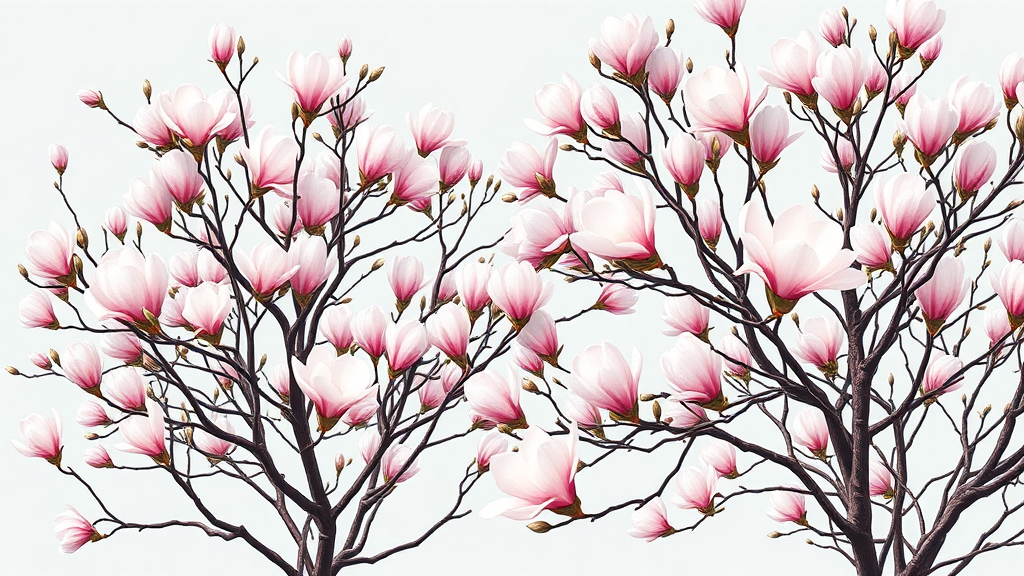
Whether you’re an avid gardener or just someone who appreciates the simple beauty of nature, magnolia trees should be on your radar. These charismatic trees are more than just a delightful sight — they’re a valuable addition to any garden.
Planting and caring for magnolia trees is a rewarding endeavor. It’s an investment in the future, a testament to natural beauty, and a commitment to improving biodiversity.
Remember, the more we understand and appreciate these natural wonders, the better we can care for and preserve them for future generations.