
 Emma Jantzen
 Exploring the Gulf Coast: The Remarkable Flavor and Cultural Impact of Local Seafood
The Gulf Coast, with its clear, warm waters, is a veritable paradise for seafood lovers. The region’s access to a wide array of fresh, high-quality seafood has led to the development of a rich and diverse culinary tradition. From New Orleans’ famous gumbo to Florida’s stone crab, gulf seafood is a cherished part of the regional culture and identity.
Gulf seafood is known for its exceptional flavor and freshness. The region’s warm, nutrient-rich waters are home to a wide array of species, including red snapper, grouper, blue crab, and oysters. These species thrive in the gulf waters, resulting in seafood that is fresh, tender, and full of flavor.
The practice of sourcing seafood locally is deeply ingrained in the Gulf Coast culture. Seafood markets across the region are bustling with activity, as locals and tourists alike seek out the day’s freshest catch. Not only does this practice support local economies, but it also ensures that the seafood is as fresh and flavorful as possible.
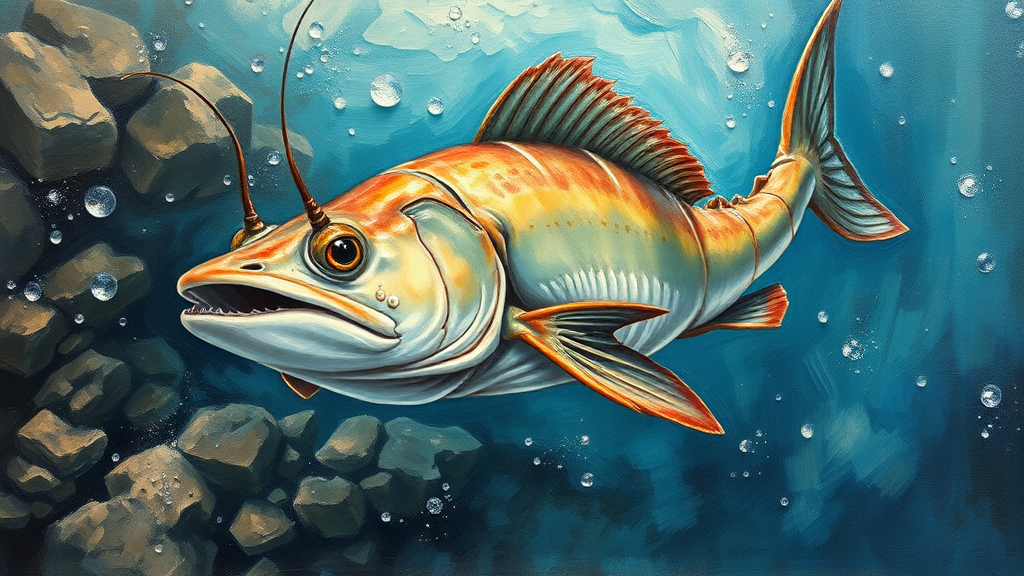
Yet, gulf seafood is not only appreciated for its taste, but also for its cultural significance. Seafood dishes play a pivotal role in the region’s culinary tradition.
From hearty seafood gumbo to delicate crab cakes, these dishes are a testament to the region’s rich heritage and love for the fruits of the sea. In New Orleans, for instance, seafood is an integral part of the city’s celebrated Creole and Cajun cuisines. Iconic dishes such as shrimp étouffée and oysters Rockefeller wouldn’t be the same without the fresh, high-quality seafood sourced from the Gulf.
The region’s seafood industry also plays a crucial role in supporting local economies. The gulf coastline is home to numerous fishing communities, many of which have been involved in the seafood industry for generations.
These communities rely on the gulf’s bounty for their livelihoods, and their expertise and hard work ensure that the region’s seafood is of the highest quality.
In recent times, the sustainability of the gulf seafood industry has become a prominent issue. Overfishing and environmental changes threaten the health of the gulf waters and the seafood species that call it home.
As a result, there is a growing focus on sustainable fishing practices and conservation efforts to protect this invaluable resource. Many local restaurants and markets are committed to sourcing their seafood from sustainable sources, ensuring that the gulf’s bounty can be enjoyed by future generations.
Despite these challenges, the gulf seafood industry remains resilient. The quality and diversity of gulf seafood continue to draw in seafood enthusiasts from around the world. Whether you’re savoring a bowl of rich gumbo in a New Orleans eatery or enjoying a fresh shrimp cocktail on a Florida beach, the unique flavors and cultural significance of gulf seafood are undeniable.
As a seafood lover, you can support the gulf seafood industry by choosing to eat at restaurants and markets that source their seafood sustainably.
By doing so, you can play a part in preserving the gulf’s rich seafood tradition and ensuring the continued availability of its delicious, high-quality seafood. After all, there’s nothing quite like the fresh, flavorful, and diverse seafood that the Gulf Coast has to offer.