
 Emma Jantzen
 Exploring the Bayou: A Journey into the Heart of Southern Ecology and Culture
The bayou isn’t just a geophysical region; it’s a vibrant tapestry of ecology, culture, and a lifestyle deeply intertwined with nature. Nestled between the thickets of gnarled cypress trees and the slow-moving, murky waters primarily found in the southern United States, the bayou offers a unique perspective on life adjacent to nature’s bounty.
One of the most captivating aspects of bayou life is its remarkable ecology. The bayou is a sanctuary for an array of wildlife species, from the basking alligators and playful river otters to the majestic herons and elusive bobcats. This creates a diverse and thriving ecosystem that is as unpredictable as it is beautiful. The bayous also house a variety of aquatic life, including crawfish, catfish, and shrimp, which contribute significantly to the local economies.
Furthermore, the bayou’s lush vegetation is another major highlight.
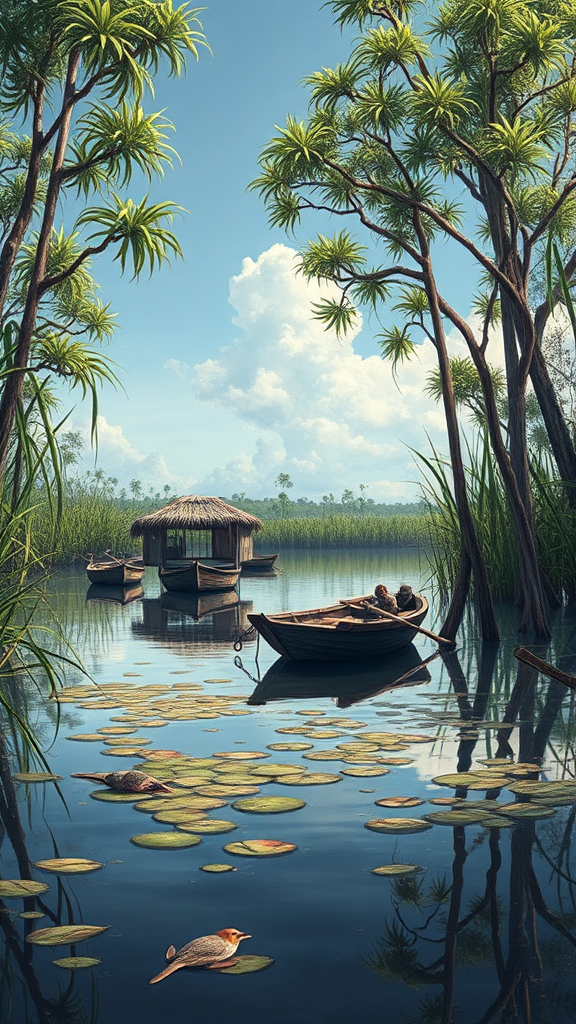
The wetland’s flora is a mix of moss-draped cypress, resilient water lilies, and towering reeds. This verdant landscape not only provides habitats for wildlife but also serves as a natural water filter, improving water quality by trapping pollutants and absorbing excess nutrients.
Moving beyond the realm of ecology, bayou life is culturally rich and vibrant. At the heart of bayou communities are the local people who have learned to harmonize their lives with the ebb and flow of the waters. This unique lifestyle is reflected in the region’s unique architecture, with homes built on stilts to withstand seasonal floods.
Bayou culture is also reflected in its food and music.
Cajun and Creole cuisine, with its spicy gumbo, jambalaya, and crawfish etouffee, is a testament to the region’s rich culinary heritage. This gastronomic culture is deeply influenced by the bayou’s bounty, utilizing locally sourced seafood and regional spices. Similarly, the bayou is the birthplace of Zydeco music, a lively blend of French, African, and American rhythms that encapsulates the bayou spirit.
Today, the bayou is not just a secluded region tucked away in the southern United States’ corners. It is a hub of eco-tourism, attracting nature enthusiasts, food lovers, and culture vultures from across the globe. Kayaking or boating tours along the waterways offer close-up encounters with the bayou’s wildlife, while guided walks provide a deeper understanding of the wetland’s flora.
For food lovers, the bayou offers an abundance of culinary delights. Seafood festivals, Crawfish boils, and local eateries provide a gastronomic journey that marries traditional cooking methods with contemporary flavors. Music and dance festivals, on the other hand, celebrate the region’s rich musical heritage, offering a chance to immerse oneself in the bayou’s rhythm.
However, as enchanting as the bayou life is, it faces pressing environmental challenges, including coastal erosion, pollution, and climate change. These issues threaten the bayou’s unique ecosystem and the communities that depend on it. It is essential to prioritize sustainable practices and conservation efforts to preserve this irreplaceable region for future generations.
Living in the bayou is about more than just residing near water.
It’s about embracing a way of life that values the interconnectedness of nature, culture, and community.
It’s about appreciating the beauty that lies in the misty mornings, the chorus of wildlife, and the whispering reeds. It’s also about preserving this unique ecosystem and lifestyle for generations to come.
The bayou, with its unparalleled mix of ecology and culture, truly is a world of its own.