
 Emma Jantzen
 Unlocking the Majestic Beauty and Environmental Benefits of Magnolia Trees: An Evergreen Wonder for Your Landscape
The Beauty and Benefits of Magnolia Trees: An Evergreen Marvel
The magnolia tree is an absolute marvel of nature, boasting an array of stunning blossoms and impressive resilience. With origins tracing back millions of years, it’s a tree that truly stands the test of time.
Among the 200 unique species, the diverse range of colors, shapes, and sizes of magnolia trees make them a versatile choice for any landscape.
Magnolia trees are renowned for their grandeur and elegance. There’s a rustic charm in the magnolia tree’s dark green leaves and large, vibrant flowers that exude an intoxicating fragrance.
Ranging from purples and pinks to whites and yellows, their blossoms are a spectacle to behold and a delight to the senses.
What’s more, many magnolia species are evergreen, meaning they retain their lush green foliage all year round.
This feature is particularly popular among homeowners and landscape designers, as it provides a constant splash of color in gardens and parks, even in the dreariest months of winter.
The benefits of magnolia trees extend beyond their aesthetic appeal. They also offer a range of environmental benefits. For example, they’re excellent for improving air quality.
Magnolia trees absorb pollutants like sulfur dioxide and carbon monoxide, reducing the number of these harmful substances in the air we breathe. Additionally, their broad leaves and dense foliage provide shelter for various bird species, contributing to local biodiversity.
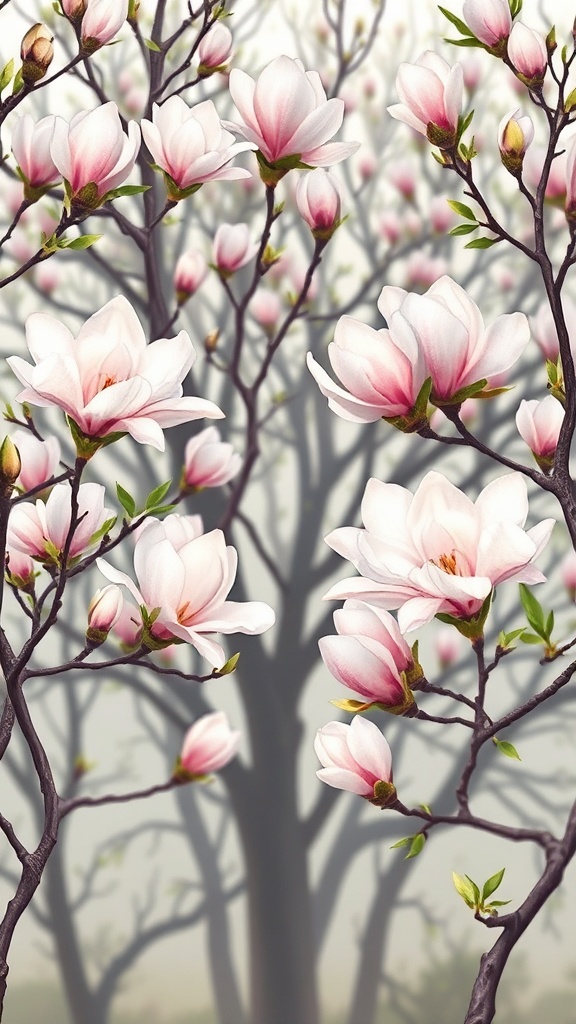
Planting and caring for a magnolia tree is a commitment, but the rewards are truly worthwhile. They prefer slightly acidic, well-drained soil and ample sunlight. However, they can tolerate partial shade. Once established, these trees are relatively low maintenance, requiring minimal pruning and watering.
One of the most widespread species is the Southern Magnolia.
It is a classic choice for homeowners interested in a sturdy, high-impact, ornamental tree.
Its lush leaves and large, creamy white flowers make it a distinctive and beautiful addition to any yard.
However, the magnolia tree’s charm does not end with its appearance. It has also found its place in various cultural symbols and traditions. In the American South, the magnolia tree symbolizes hospitality and warmth, with its flowers often used in bridal bouquets to signify the bride’s nobility and dignity.
In traditional Chinese medicine, the bark of the magnolia tree, known as ‘Houpu’, has been used for centuries to treat a variety of ailments such as anxiety, asthma, and gastrointestinal issues. Even today, it continues to hold a respected position in herbal remedies worldwide.
In the world of landscaping and horticulture, magnolia trees are a testament to the beauty and resilience of nature. Whether you’re drawn to their stunning floral display, their air-purifying properties, or their cultural significance, there’s no denying the multifaceted appeal of this age-old tree species.
Today, as we strive to create more sustainable and eco-friendly landscapes, the magnolia tree stands tall as a symbol of natural beauty and environmental health. Incorporating these trees into our gardens and public spaces is not just an aesthetic choice—it’s a commitment to preserving our planet’s biodiversity and improving the quality of our air.
So, if you’re looking to make a bold statement in your garden, consider the magnolia tree.
With its captivating beauty, environmental benefits, and low maintenance requirements, it could be just the addition your landscape needs.