
 Emma Jantzen
 Magnolia trees offer dramatic blooms, glossy foliage, and a timeless presence that suits formal gardens, city streets, and cottage landscapes alike.
Magnolia trees offer dramatic blooms, glossy foliage, and a timeless presence that suits formal gardens, city streets, and cottage landscapes alike. Their fragrant, saucer-shaped flowers and broad leaves make them garden focal points; with the right site and care, magnolias reward gardeners for decades.
Choosing the right magnolia
– Evergreen vs. deciduous: Southern magnolias (Magnolia grandiflora and relatives) keep glossy leaves year-round and are suited to milder climates.
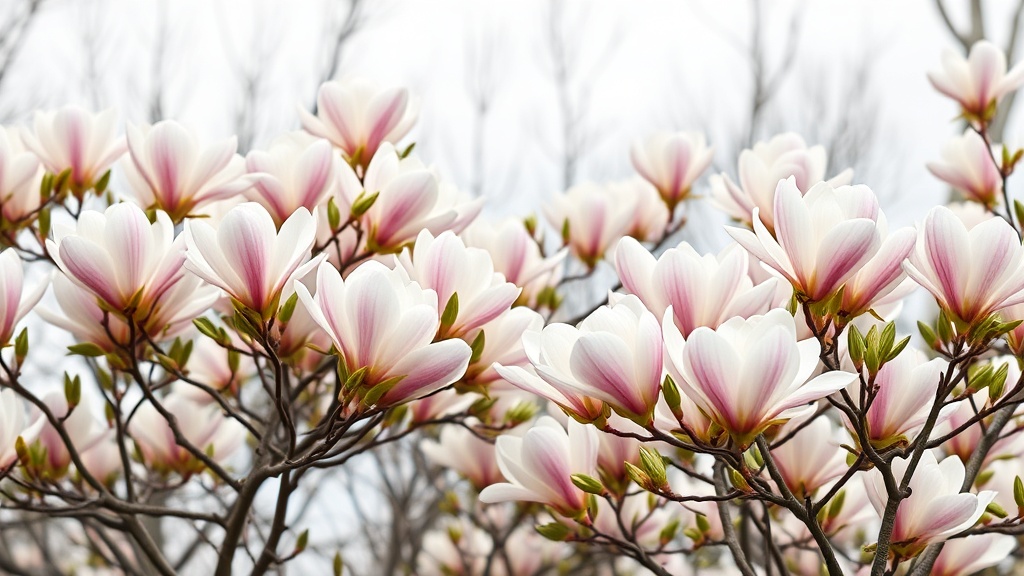
Deciduous species like saucer magnolia (Magnolia × soulangeana) and star magnolia (Magnolia stellata) produce abundant spring flowers and tolerate cooler areas.
– Size and form: Varieties range from compact shrubs to towering trees.
Dwarf cultivars are available for small yards and containers; large species can reach substantial heights and should have ample space for roots and canopy.
Planting essentials
– Site selection: Plant magnolias in a location with well-drained, slightly acidic to neutral soil and protection from harsh, desiccating winds. Many magnolias prefer full sun to partial shade—morning sun with afternoon protection helps prevent leaf scorch in hot climates.
– Soil preparation: Dig a planting hole twice as wide as the root ball but no deeper. Backfill with native soil, amended lightly with compost if drainage is poor. Avoid planting too deep; the top of the root ball should be slightly above grade to encourage airflow and prevent rot.
– Mulching and watering: Apply a 2–4 inch layer of organic mulch, keeping it a few inches from the trunk to avoid collar rot. Water deeply and consistently during the first two growing seasons to establish a strong root system, then reduce frequency but water during dry spells.
Pruning and shaping
– Minimal pruning is best: Magnolias generally need little pruning; remove dead, crossing, or damaged branches after flowering for spring-blooming species, or in late winter for evergreens. Heavy pruning can reduce bloom production and stress the tree.
– Train young trees: Establish a strong central leader and well-spaced scaffold branches early to avoid future structural problems.
Fertilizing
– Feed thoughtfully: A balanced, slow-release fertilizer applied in early spring (or at the onset of active growth) supports healthy foliage and blooms.
Avoid high-nitrogen formulas that promote excessive leaf growth at the expense of flowers. Conduct a soil test if poor performance persists.
Pests and diseases
– Common issues: Magnolias are generally hardy but can face scale insects, aphids, and fungal leaf spots. Treat scale and aphids with horticultural oils or insecticidal soap, and remove heavily infested branches. Good air circulation and proper watering reduce fungal problems.
– Root and trunk health: Avoid mechanical injury to the trunk and keep soil contact away from the bark.
Root rot can occur in poorly drained sites, so improve drainage or select a more tolerant species if necessary.
Propagation and nursery tips
– Propagation options: Many magnolias are propagated by grafting to preserve cultivar traits; some species root from semi-hardwood cuttings or by seed, though seedlings may not reliably match the parent. Purchase from reputable nurseries to ensure true-to-type specimens.
– Container culture: Smaller magnolia cultivars succeed in large containers if watered carefully and repotted as roots fill the pot.
Landscape uses and ecology
Magnolias offer dramatic spring color, year-round foliage interest (for evergreens), and fragrant blooms that attract pollinators—many magnolias are beetle-pollinated, an ancient ecological relationship.
They work beautifully as specimen trees, in mixed borders, or underplanted with shade-tolerant groundcovers.
With thoughtful siting, modest maintenance, and attention to watering during establishment, magnolias can be long-lived, low-maintenance stars in landscapes of many sizes. Consider the species and cultivar that best match your climate, space, and aesthetic goals to enjoy their showy flowers and architectural presence for years to come.