
 Emma Jantzen
 Bayou life is a blend of slow-moving water, dense cypress stands, and a culture shaped by the rhythms of the swamp.
Bayou life is a blend of slow-moving water, dense cypress stands, and a culture shaped by the rhythms of the swamp.
For anyone drawn to wild places, the bayou offers a sensory-rich experience: the hush of Spanish moss, the croak of frogs at dusk, and the savory aroma of seafood cooking over an open flame.
Ecosystem and wildlife
Bayous are wetland corridors that support extraordinary biodiversity. Bald cypress and tupelo trees anchor muddy banks while submerged aquatic grasses filter water and provide habitat for fish and invertebrates. Expect to see great egrets, herons, and kingfishers stalking shallow shallows; otters and turtles paddling along hidden channels; and seasonal migrations of waterfowl. Alligators are a characteristic presence — more common than dangerous when treated with respect.
Food, music, and cultural heritage
Bayou communities are living repositories of Creole and Cajun traditions.
Food is central: shrimp, crabs, oysters, and catfish are transformed into dishes that celebrate local flavor — think gumbo, jambalaya, and fresh-catch blackened fillets served with rice and cornbread. Music is another hallmark, with zydeco and second-line rhythms tracing back through generations of shared gatherings and festivals that keep oral histories alive.
Ways to experience the bayou
– Guided boat tours: Learn local ecology and folklore from experienced guides.
Tours often navigate narrow channels to reveal wildlife and seasonal blooms.
– Kayaking and canoeing: Quiet paddling lets you slip into smaller waterways and observe birds and aquatic life without disturbing their routines.
– Fishing and crabbing: Anglers find both recreational challenge and a chance to connect with traditional livelihoods. Check local regulations and seasonal limits before heading out.
– Culinary outings: Seafood markets and waterfront cafés offer a direct taste of bayou-to-table dining.
Safety and etiquette
Respect goes a long way. Keep a safe distance from wildlife, never feed alligators, and supervise children near water. Wear insect repellent and light-colored long sleeves at dawn and dusk to reduce mosquito bites. If swimming, choose designated areas — many bayou waters have hidden currents or submerged hazards. When visiting private lands or small communities, ask permission and support local businesses rather than treating the area like a theme park.
Conservation challenges
Bayous face mounting pressures from coastal erosion, saltwater intrusion, and land-use changes that fragment habitat and alter water flow. Pollution and invasive species can further stress native plants and animals. Local and regional conservation efforts focus on restoring marshes, rebuilding natural sediment flows, and supporting sustainable fisheries. Supporting these programs — through donations, volunteer work, or responsible tourism — helps preserve bayou life for future generations.
Photography and observation tips
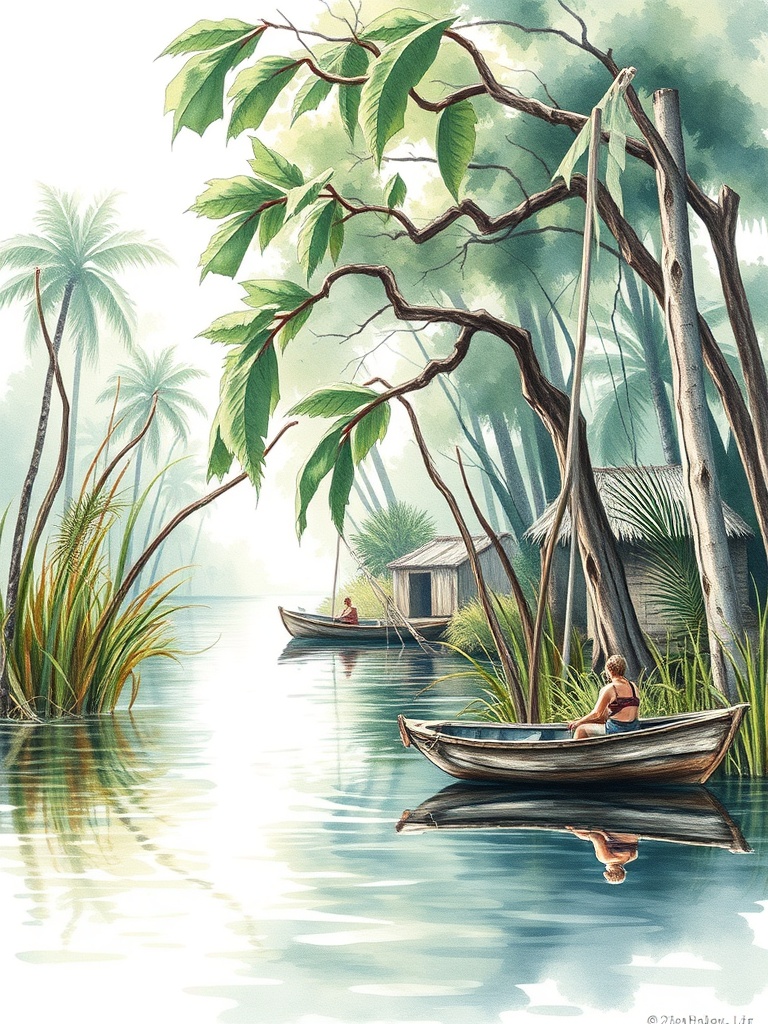
Early morning and late afternoon provide the best light for photography and the most active wildlife viewing.
Use a telephoto lens to capture birds and wary mammals without disturbing them. A polarizing filter cuts glare on water and deepens green tones in foliage. Silence and patience often reward visitors with close encounters a camera alone cannot promise.
The appeal of the bayou is enduring: a place where nature and culture intersect, offering solace and discovery. Whether tasting a bowl of gumbo by the water’s edge, drifting silently past cypress knees, or volunteering on a marsh restoration project, engaging with bayou life is an invitation to slow down and notice the intricate balance that keeps these wetlands alive.