
 Emma Jantzen
 Cajun cooking is comfort food with grit
Cajun cooking is comfort food with grit: rustic, flavor-forward, and built around a small set of techniques and ingredients that produce big results. Born from the resourcefulness of Acadian settlers, this cuisine makes the most of what’s on hand—rice, shellfish, smoked meats, and local vegetables—turning humble components into deeply satisfying meals.
Core ingredients and flavor foundations
– The “holy trinity”: onion, celery, and green bell pepper form the aromatic backbone of most Cajun dishes. They show up in gumbo, jambalaya, étouffée, and almost every pot of simmered goodness.
– Roux: a cooked mixture of fat and flour, roux ranges from blond to dark chocolate in color and imparts nutty, toasty depth.
Darker roux brings more flavor but less thickening power.
– Seasoning: cayenne, black pepper, white pepper, paprika, thyme, bay leaves, and file powder (ground sassafras) are common.
Creole seasoning blends are convenient, but custom adjustments keep heat and salt balanced.
– Proteins and produce: shrimp, crawfish, catfish, and oysters feature prominently, alongside smoked sausage (andouille), ham, chicken, okra, and tomatoes depending on the dish.
Signature dishes and what makes them different
– Gumbo: a thick, spoonable stew often built with a roux, stock, and the holy trinity. Okra or file powder are traditional thickeners.
Gumbo’s personality can shift with seafood, poultry, or sausage.
– Jambalaya: a one-pot rice dish that simmers until grains absorb flavorful stock. “Brown” jambalaya starts with caramelized meat; “red” versions include tomatoes.
– Étouffée: typically seafood (often crawfish or shrimp) smothered in a rich, flavorful sauce served over rice; the name means “smothered” in French.
– Crawfish boil and boudin: communal and celebratory dishes—boils are social affairs with spice, corn, and potatoes, while boudin is a savory rice-and-meat sausage.
Techniques for better results at home
– Start roux low and slow: patience is essential.
Stir constantly and keep heat moderate to avoid burning; a heavy-bottomed pot or cast iron is ideal.
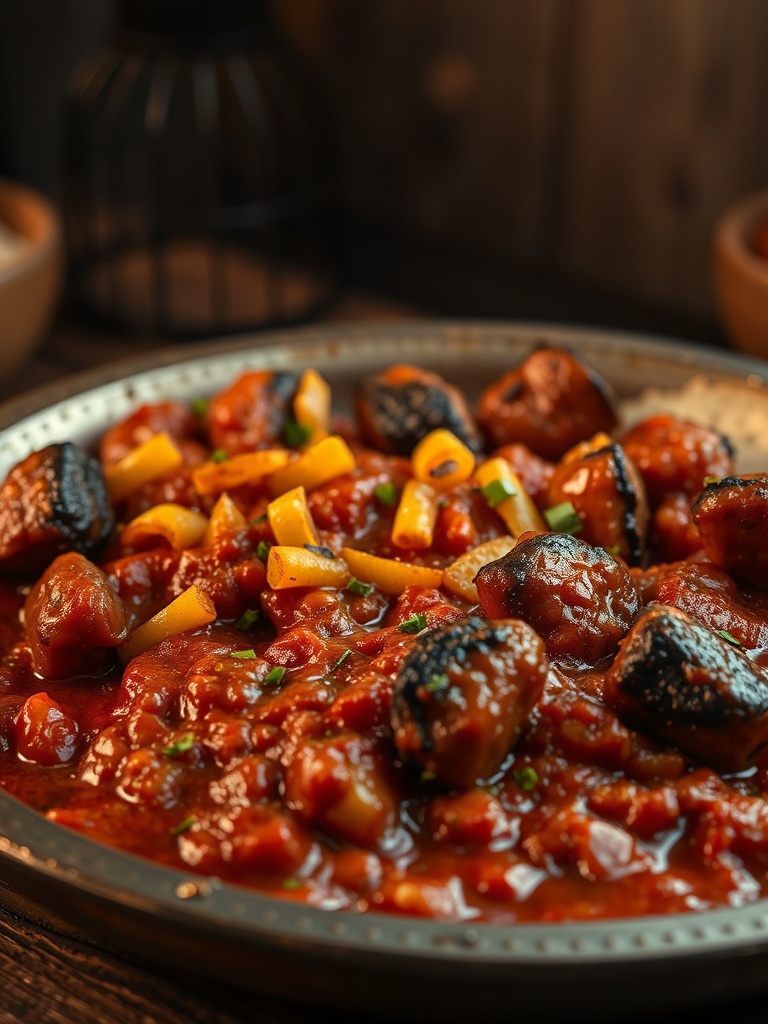
– Layer flavors: sauté the holy trinity before adding proteins and stock; simmer gently to meld flavors.
– Control heat: season early but adjust later. Cajun food is about vibrant seasoning, not just heat.
– Rice tips: rinse rice for fluffier grains; ratio and simmer time matter depending on rice variety.
Practical tips and modern touches
– Substitute responsibly: if local wild seafood isn’t available, opt for sustainably sourced alternatives and adjust cooking times for texture.
– Make-ahead advantages: gumbo and jambalaya often taste better the next day as flavors deepen—freeze portions for easy weeknight meals.
– Lighter adaptations: roast or grill proteins instead of deep-frying, use a lighter roux, or swap in low-sodium stock to reduce grease and sodium without losing character.
– Equipment: a heavy Dutch oven, large stockpot, sturdy wooden spoon, and a fine-mesh strainer are the most useful tools.
Cultural note
Cajun cuisine sits alongside Creole cooking on a flavorful spectrum; both celebrate seafood, rice, and bold seasoning but differ in historical influences and ingredient emphasis. Exploring both traditions offers a fuller picture of Louisiana’s culinary richness.
Whether cooking for family or hosting a backyard boil, the principles of Cajun cooking—resourcefulness, bold seasoning, and communal spirit—make it versatile and endlessly satisfying. Start with the holy trinity and a patient roux, and build from there.