
 Emma Jantzen
 Recommended: The Ultimate Guide to Magnolia Trees: Varieties, Planting, Care & Pruning for Fragrant Blooms
Magnolia trees are prized for their dramatic blooms, glossy foliage, and intoxicating fragrance. Native to parts of Asia and the Americas, magnolias offer a wide range of sizes and habits—from compact shrubs that fit small gardens to stately trees that become focal points in large landscapes. Their timeless beauty and relatively straightforward care make them a favorite for gardeners and designers alike.
Varieties and growth habits
– Evergreen magnolias (such as southern magnolia and sweetbay) hold glossy leaves year-round and often develop into large, imposing specimens.
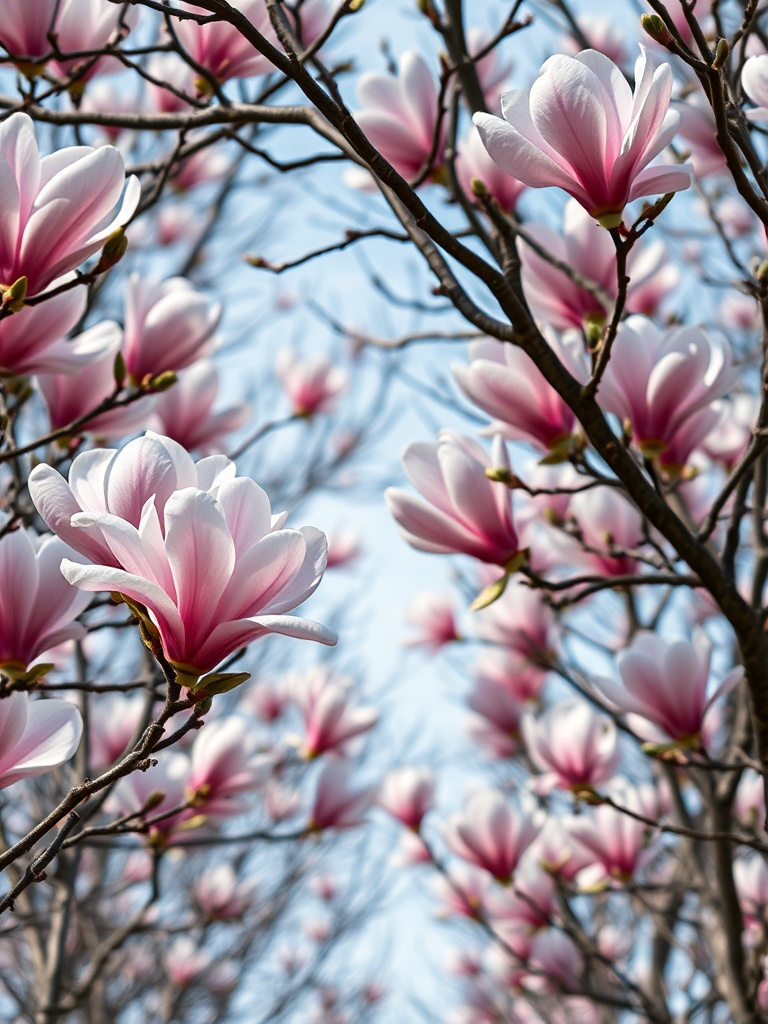
– Deciduous magnolias (like saucer and star magnolias) produce dazzling spring flowers on bare branches, creating a spectacular early-season display.
– There are also compact cultivars bred for smaller yards and urban gardens, offering many of the same floral and fragrant benefits without the massive size.
Planting and site selection
Magnolias prefer well-drained, slightly acidic soil and a sheltered position that protects blooms from late frosts and strong winds.
Most magnolia species thrive in full sun to partial shade; in hotter climates, afternoon shade helps prevent leaf scorch.
When planting, dig a hole twice as wide as the root ball but no deeper—these trees do best with the root flare visible at the soil surface. Mulch around the base to conserve moisture and protect roots, keeping mulch a few inches away from the trunk to prevent rot.
Watering, feeding, and soil care
Newly planted magnolias need consistent moisture as they establish.
Deep, infrequent watering encourages a robust root system. Once established, many magnolias tolerate short dry spells but benefit from supplemental watering during extended drought. Fertilize sparingly with a balanced, slow-release formula in early growing season if growth appears slow; over-fertilizing can lead to weak growth and reduced flowering.
Pruning and maintenance
Magnolias generally require minimal pruning. Remove dead, diseased, or crossing branches as needed.
For spring-blooming varieties, prune immediately after flowering to avoid cutting off next season’s buds. Avoid heavy pruning into old wood—many magnolias resent severe cutting back. Light shaping and removing low suckers maintain a tidy form without stressing the tree.
Propagation and transplanting
Magnolias can be grown from seed, cuttings, or by grafting; seeds often need stratification and may take years to flower. Many gardeners choose nursery-grown grafted plants for predictable bloom characteristics and size. When transplanting, preserve as much of the root ball as possible, and plant during a cool, moist period to reduce transplant shock.
Pests and diseases
Common issues include scale insects, leaf spots, and root rot in poorly drained soils. Good cultural practices—proper siting, adequate spacing for air circulation, and avoiding overwatering—reduce most problems. Monitor periodically and treat pests early with horticultural oils or targeted insecticidal soaps when necessary.
Landscape uses and companions
Magnolias make striking specimen trees, provide summer shade, and work well as focal points near entryways or patios where their scent can be appreciated.
Underplant with shade-tolerant companions such as ferns, hostas, or spring bulbs for layered seasonal interest. For narrow spaces, select smaller cultivars to avoid future conflicts with utilities or buildings.
Why gardeners love magnolias
Beyond their visual impact, magnolias support pollinators and add a touch of drama to any garden. With proper siting and a little routine care—right soil, consistent moisture while young, and gentle pruning—magnolias reward gardeners with long-lived beauty and fragrant blooms that elevate the landscape for decades.