
 Emma Jantzen
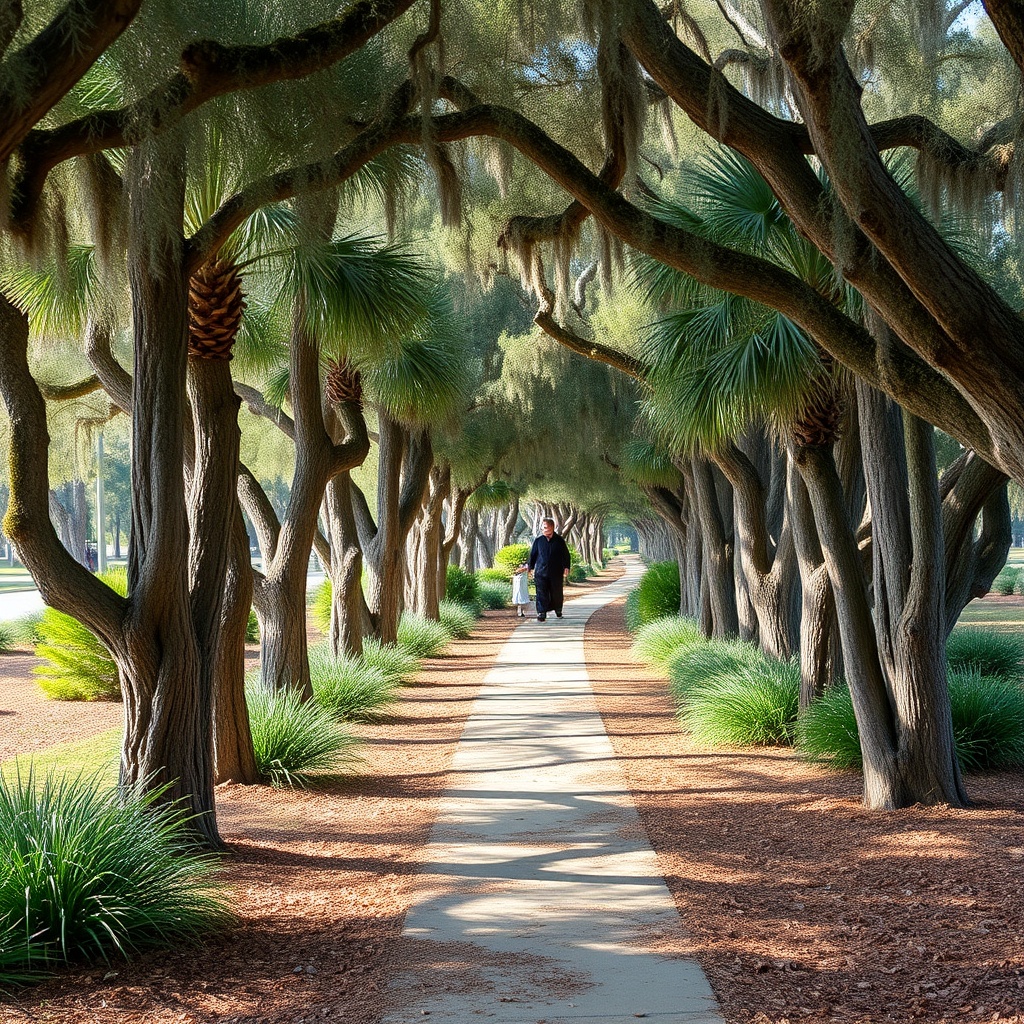
 The Carolina Lowcountry is a landscape of tidal rhythms, moss-draped live oaks, and a cuisine shaped by both the sea and deep cultural roots.
The Carolina Lowcountry is a landscape of tidal rhythms, moss-draped live oaks, and a cuisine shaped by both the sea and deep cultural roots. Stretching from the sprawling salt marshes and barrier islands to historic towns tucked along winding rivers, this region offers a blend of natural beauty, living history, and a thriving food scene that draws visitors and residents alike.
Landscape and wildlife
Salt marshes and tidal creeks define the Lowcountry’s ecology.
These marshes act as nurseries for fish and crustaceans, buffer storm surge, and store carbon. Barrier islands and maritime forests protect inland communities while offering serene beaches, dunes, and migratory bird habitat. Look for dolphins playing in estuaries, osprey hunting over marshes, and shorebirds along quiet sandbars. Responsible wildlife viewing—keeping distance, avoiding nesting areas, and following local guidelines—helps keep these ecosystems healthy.
Cultural heritage
The Gullah-Geechee culture is central to the Lowcountry’s identity. Descendants of West African peoples, the Gullah-Geechee community preserves language patterns, crafts, storytelling, and culinary traditions that are unique in the United States.
Visiting cultural centers, attending community-led tours, and buying handcrafted items directly from local artisans supports cultural continuity and ensures authentic experiences.
Food and flavors
Lowcountry cuisine celebrates seafood and seasonal produce. Iconic dishes include shrimp and grits, she-crab soup, and Lowcountry boil—simple preparations that let fresh ingredients shine. Local farmers markets and dockside fish houses offer the best of the region’s bounty.
Sustainable seafood choices and patronizing small-scale fishers and oyster farms help sustain local livelihoods and ecosystems.
Conservation and resilience
Coastal communities in the Lowcountry face challenges from changing tides and coastal development. Restoration efforts—like oyster reef rebuilding, living shorelines, and marsh restoration—play a growing role in protecting habitat and reducing erosion. Community-led resilience planning emphasizes natural solutions and smart development to maintain the balance between human activity and fragile coastal systems.
Outdoor experiences
There’s a Lowcountry outdoor activity for every pace.
Kayak through narrow creeks lined with spartina grass, bike shaded lanes past historic homes, or take a guided boat tour to learn about the area’s ecology and history.
Barrier islands are ideal for shelling, birdwatching, and quiet beach walks; choose a less trafficked stretch to avoid disturbing nesting sites.
For a longer stay, consider exploring island communities by ferry or foot to experience their distinct character.
Responsible travel tips
– Choose local guides and small businesses to ensure economic benefits stay in the community.
– Practice Leave No Trace principles on beaches and in marshes.
– Favor sustainable seafood options and ask where your catch was harvested.
– Respect private property and culturally sensitive sites, especially those tied to Gullah-Geechee heritage.
Why visit or stay
The Lowcountry is more than a picturesque backdrop; it’s an ecosystem and culture worth experiencing thoughtfully. From savoring the region’s seafood traditions to supporting restoration projects and cultural preservation, visitors can enjoy its charm while contributing to a sustainable future. For those seeking slow travel, rich history, and nature close at hand, the Carolina Lowcountry offers an enduring and rewarding escape.