
 Emma Jantzen
 Memphis BBQ: Iconic Pork, Dry vs. Wet Ribs & How to Enjoy
Memphis BBQ: What Makes It Iconic and How to Enjoy It
Memphis BBQ is a cornerstone of American barbecue culture, renowned for its focus on pork, flexible sauce philosophy, and the balance between dry-rubbed and sauce-slathered preparations. Whether you’re sampling ribs at a longtime pitmaster’s stand or trying a modern smokehouse’s reinvention, Memphis-style barbecue delivers bold, approachable flavors.
What defines Memphis-style BBQ
– Pork-forward: Pulled pork sandwiches and pork ribs are the heart of Memphis BBQ. Whole-hog cooking is a storied tradition here, where entire hogs are smoked low and slow until tender and juicy.
– Dry vs. wet: Memphis pits often offer both dry-rubbed ribs (seasoned heavily with spice and smoked without sauce) and wet ribs (brushed with sauce during or after smoking). This dual approach highlights the meat’s smoke flavor while letting sauce play a supporting role.
– Sauce profile: Memphis sauces tend to be tomato-based with a sweet-tangy balance—thicker than Carolina vinegar sauces but not as heavy as some Kansas City versions. Expect a bright, slightly sweet finish rather than overpowering glaze.
– Wood and smoke: Fruitwoods and hickory are classic choices, imparting a mild-to-medium smoke that enhances pork without masking it. The emphasis is on controlled smoke over prolonged cooking rather than bitter, heavy smoke.
Cooking tips to recreate the flavor at home
– Choose the cut: For pulled pork, use a pork shoulder or Boston butt.
For ribs, St. Louis–style or spare ribs work well. Whole-hog requires space and experience but yields an unmatched communal experience.
– Low and slow: Maintain a steady smoker temp in the low-to-mid range (commonly around the low 200s°F). Patience is key—this method renders connective tissue and builds smoke flavor.
– Dry rub essentials: Combine salt, sugar, paprika, black pepper, garlic powder, and onion powder as a base.
Adjust heat with cayenne or chili powders to taste.
– Spritz and wrap: Many pitmasters spritz meat with apple juice, cider vinegar, or a thin mop to keep surfaces moist. Wrapping in foil for part of the cook can speed tenderness while preserving bark.
– Finishing: For wet ribs, brush sauce toward the end of the cook and allow it to set without burning. For pulled pork, let the meat rest before pulling to redistribute juices.
Sides and pairings
Classic Memphis sides complete the meal: creamy coleslaw (often used as a topping on a pulled pork sandwich), baked beans, mac and cheese, potato salad, and banana pudding for dessert. A crisp slaw adds texture and balances richness, while a tangy pickle can cut through fattiness.
Notable trends and the modern scene
Today’s Memphis BBQ scene blends tradition with innovation. Small-batch and craft BBQ spots emphasize locally sourced pork, wood selection, and refined rubs. Competition cooking and festival culture keep techniques evolving, while pop-ups and collaborations introduce global flavors—think smoked pork with Asian spices or barbecue tacos.
Plant-based “BBQ” options have also emerged, where smoked jackfruit or mushroom preparations mimic classic pulled-pork textures for vegetarian diners.
Where to experience Memphis BBQ
Look for places that offer both dry-rubbed and sauced options and show care in smoke control—consistent bark, even smoke color, and juicy meat are good signals. BBQ festivals and pitmaster competitions provide opportunities to taste a wide variety of styles in one place and to speak with cooks about their methods.
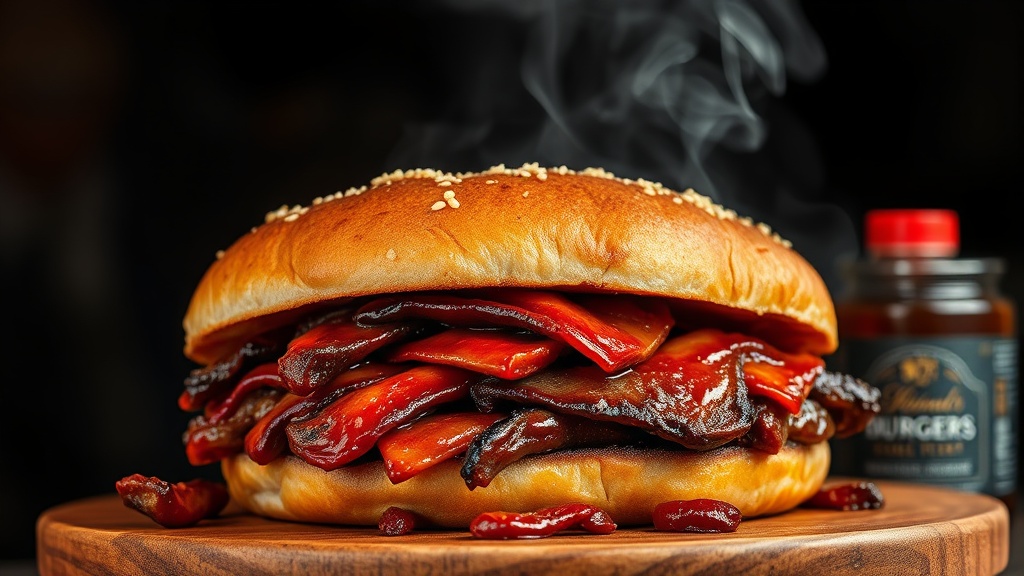
Want an authentic taste? Order a pulled pork sandwich with coleslaw on the side and try both a dry and wet rib. Exploring both styles is the best way to understand why Memphis BBQ remains a beloved and influential regional cuisine.