
 Emma Jantzen
 How the BeltLine Is Recasting Atlanta’s Urban Fabric
How the BeltLine Is Recasting Atlanta’s Urban Fabric
Few urban projects have reshaped a city as visibly as the BeltLine has reshaped Atlanta. What began as a vision for a unified loop of trails, parks, and transit corridors is now a living spine that connects neighborhoods, sparks public art, and fuels local businesses. The result is a mix of recreational space, economic opportunity, and complex social dynamics that continue to influence how Atlantans live and move.
What it does for neighborhoods
The BeltLine stitches together previously disconnected pockets of the city, giving residents easy access to green space, walking and cycling routes, and cultural destinations.
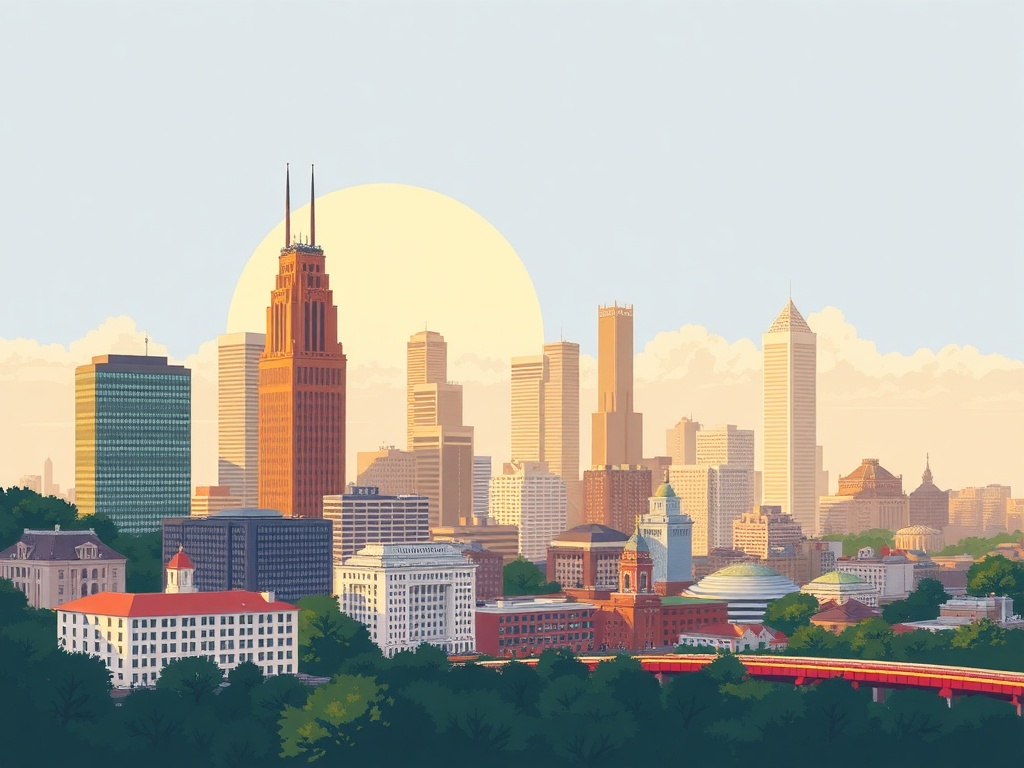
Popular segments have become daily thoroughfares for commuters and weekend destinations for families and visitors. Adjacent commercial corridors often benefit from increased foot traffic, encouraging coffee shops, boutiques, galleries, and restaurants to open and thrive.
Public art and cultural life
One of the BeltLine’s defining features is its support for public art. Murals, sculptures, and performance spaces create a constantly changing outdoor gallery that invites exploration. Rotating installations and community-driven projects bring attention to local artists and ensure the trail is not just a passageway but a cultural experience.
Green infrastructure and recreation
The BeltLine’s parks and greenways provide urban relief: native plantings, stormwater improvements, and tree-lined paths help manage runoff while cooling dense neighborhoods. Larger parks along the corridor offer sports fields, playgrounds, and picnic areas, while smaller pocket parks create places to rest and meet friends. For active residents, the trail is a safe, scenic option for jogging, biking, and walking.
Economic growth and the housing challenge
Economic revitalization along the BeltLine has been significant, but it also raises hard questions. Increased property values and new development have brought opportunities for entrepreneurs and homeowners, yet they can contribute to displacement pressures for long-term residents.
Community groups, planners, and public agencies are actively discussing strategies that balance growth with affordable housing and equitable access to benefits.
How to experience the BeltLine
– Choose a segment that matches your pace: busy mixed-use stretches for dining and gallery-hopping, quieter greenway sections for exercise and nature watching.
– Connect by transit: several stations and bus routes link to trailheads, making it easy to combine public transit with walking or biking.
– Support local vendors: stop at independent cafes and shops near trail entrances to invest directly in neighborhood businesses.
– Attend community events: pop-ups, markets, and art walks frequently animate the corridor—great ways to meet locals and discover hidden gems.
– Be mindful of safety and etiquette: follow posted trail rules, share space courteously with cyclists and pedestrians, and stay aware of surroundings after dark.
Looking ahead
The BeltLine continues to be a testing ground for urban ideas: tactical infrastructure, inclusive placemaking, and public-private partnerships. Ongoing conversations about transit expansion, green space management, and affordable housing will shape how the corridor benefits the widest possible cross-section of Atlantans. For residents and visitors alike, the BeltLine remains one of the most visible expressions of Atlanta’s energy and ambition—an evolving public realm that invites exploration, participation, and stewardship.