
 Emma Jantzen
 Bayou Life: Wildlife, Culture, Cuisine & Conservation
Bayou Life: The Rhythm of Water, Wildlife, and Community
The bayou is where land meets water in a slow, sultry dance—an ecosystem and culture shaped by tides, storms, and generations of people. Whether paddling a narrow channel at dawn or listening to zydeco drifting from a porch, bayou life unfolds at a pace that rewards attention. Here’s a portrait of what makes this landscape both fragile and endlessly fascinating.
The living landscape
Cypress knees rising from mirror-still water, Spanish moss draping from gnarled branches, and reeds whispering along the shoreline define the bayou’s visual palette. Freshwater and brackish marshes support a mix of plant communities—cattails and buttonbush near the edges, marsh grasses and wildflower ribbons farther out.
These wetlands act as natural sponges, reducing flood impacts and filtering water while storing carbon in peat-rich soils.
Wildlife is abundant and often elusive. Herons, egrets, and roseate spoonbills hunt along the shallows; ospreys and kingfishers plunge for fish; turtles bask on logs. Alligators patrol quietly, a reminder that wild things still govern many rhythms here. Birdwatching, photography, and slow paddling are the best ways to observe without disturbing the habitat.
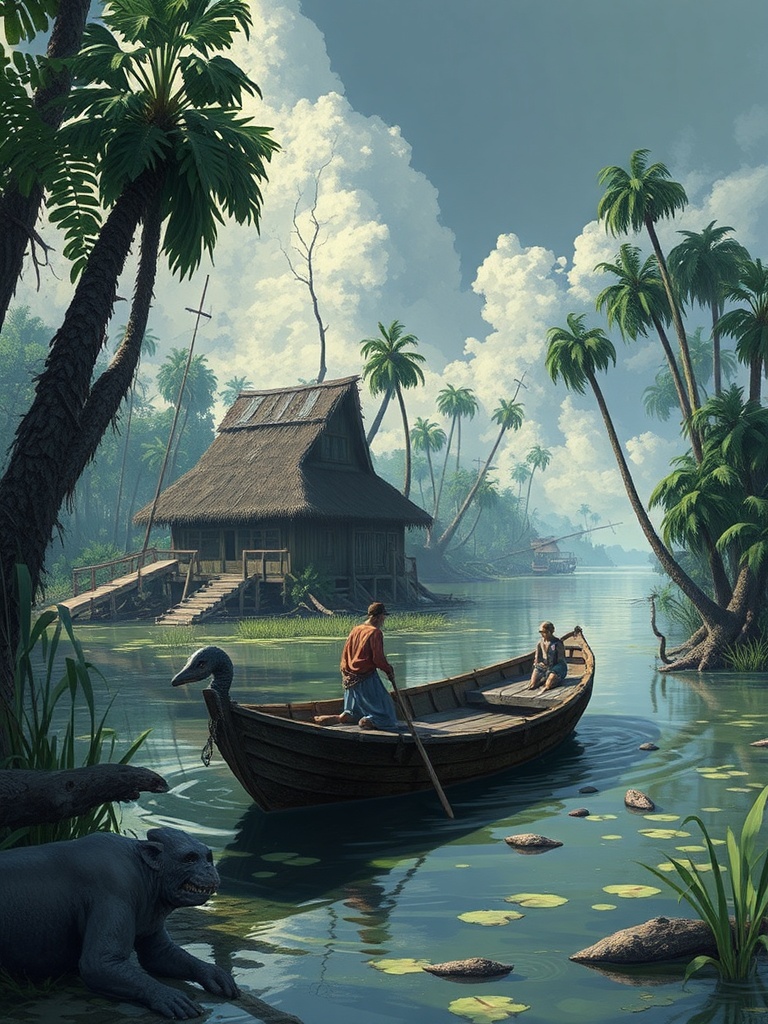
Culture and cuisine
Bayou communities carry deep cultural traditions shaped by Indigenous, French, African, and Caribbean influences. Language, music, and family recipes form a living archive: stories told on porches, the funeral second line and lively zydeco or Cajun accordion, and kitchens fragrant with garlic, filé, and roux. Signature dishes like gumbo, jambalaya, and crawfish boils are less about specific ingredients and more about communal preparation—food as an expression of hospitality and history.
Local crafts and skills—boat building, basket weaving, and calloused hands that know the tides—connect residents to place. Visiting community markets or joining a guided tour led by a local helps ensure economic benefits flow back to the people who steward the land.
Recreation and responsible visiting
Kayaking narrow bayou channels, taking low-roofed skiff rides, or casting a line from a shaded bank are popular ways to experience the water. A few practical tips keep outings safe and sustainable:
– Respect wildlife; observe from a distance and avoid feeding.
– Wear insect protection and sun protection; mosquitoes can be persistent.
– Follow leave-no-trace principles and pack out all trash.
– Hire licensed local guides to learn about navigation, tides, and cultural context.
Conservation challenges and hope
Bayous face pressure from erosion, development, invasive species, and changing hydrology. Restoration projects—rebuilding marsh, replanting native vegetation, and restoring natural water flows—are essential to protect habitat and community resilience. Supporting local conservation groups, ecotourism operators, and community-led initiatives helps align economic and environmental goals.
A living classroom
For anyone drawn to slow landscapes, the bayou offers lessons about adaptation, resilience, and the intertwined fate of people and place.
Time spent here teaches observation—how water color signals salinity changes, how bird calls shift with the tide, and how recipes pass knowledge across generations. When visiting, listen to local stories, step lightly, and leave with a deeper appreciation for the subtle, persistent life of the bayou.