
 Emma Jantzen
 Carolina Lowcountry Travel Guide: Best Things to Do, Eat & See
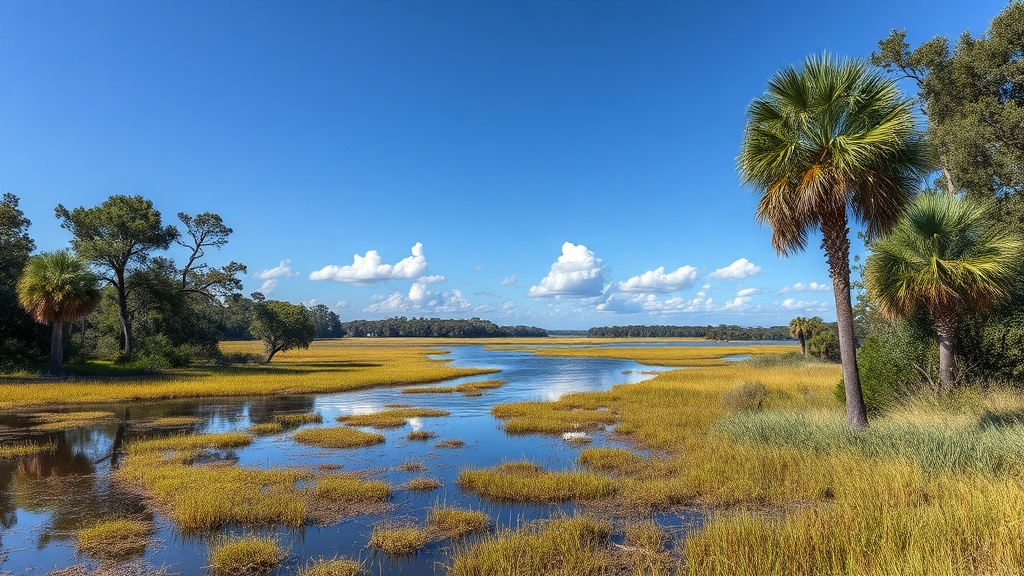
The Carolina Lowcountry evokes live oaks draped in Spanish moss, tidal marshes stitched with cattails and cordgrass, and a culture shaped by centuries of sea, sun, and salt.
Stretching along the coast from historic port towns to scattered Sea Islands, this region is equal parts natural wonder, culinary destination, and cultural landscape — ideal for slow travel and immersive discovery.
Why the Lowcountry feels different
Salt air, wide horizons, and a rhythm set by the tides give the Lowcountry a distinct pace.
Iconic landscapes include sweeping salt marshes that filter water and protect inland communities, barrier islands with quiet beaches, and maritime forests where wading birds and ospreys are common sights. The region’s built environment — historic downtown streets, antebellum architecture, and working waterfronts — blends with living traditions such as the Gullah Geechee culture, which preserves African-derived language, crafts, and foodways.
Food and flavors to seek out
Lowcountry cuisine emphasizes seafood and seasonal produce. Staples to savor include shrimp and grits, she-crab soup, fresh oysters, and Lowcountry boil (communally enjoyed seafood feasts often paired with corn and potatoes).
Many restaurants and markets focus on traceable ingredients, celebrating shrimpers, oystermen, and small farmers. For a deeper experience, look for oyster roasts, farmers markets, and chef-led tours that explain how the landscape shapes the plates.
Outdoor activities and nature experiences
The Lowcountry is an outdoor playground:
– Kayaking or canoeing through tidal creeks and rivers offers close-up views of marsh life, dolphins, and shorebirds.
– Birdwatching opportunities are abundant; migratory and resident species take advantage of the rich estuarine habitats.
– Beachcombing on barrier islands rewards with shells, ghost crabs, and striking panoramas.
– Biking and walking historic towns provides a slower way to absorb architecture, galleries, and local shops.
Respectful travel and practical tips
The Lowcountry’s charm comes with delicate ecosystems and private island communities.
When visiting, follow simple guidelines:
– Check tide charts before launching small boats or exploring mudflats; tides strongly influence accessibility.
– Follow local regulations for shellfishing and harvesting; licenses and seasonal rules often apply.
– Bring sun protection and insect repellent for marshy areas and coastal heat.
– Make dining reservations in popular towns, and support local craftsmen — sweetgrass basket makers, potters, and woodworkers are sustaining important traditions.
Conservation and community
Conservation efforts are ongoing to protect marshes, restore oyster reefs, and manage development pressure. Supporting local conservation initiatives and choosing eco-conscious operators helps preserve these landscapes for future visitors and residents. Community-led cultural programming keeps Gullah Geechee language, music, and craftsmanship visible and vital.
A living landscape to slow down in
The Carolina Lowcountry rewards a slower pace: linger over seafood at a waterside table, watch a marsh glow at golden hour, take a guided ecology tour, and listen for stories in the shade of live oaks. Whether drawn by nature, history, or food, visitors who come with curiosity and respect will find a region shaped by tides, traditions, and a deep sense of place.