
 Emma Jantzen
 How to Grow Magnolia Trees: Guide to Choosing, Planting & Care
Magnolia trees are prized for their dramatic flowers, glossy foliage, and timeless presence in home landscapes. Whether you want a compact specimen for a small yard or a large evergreen screening tree, there’s a magnolia to suit most climates and design goals. Here’s a practical guide to selecting, planting, and caring for magnolias so they thrive and become a landscape focal point.
Choosing the right magnolia
– Evergreen magnolias (like the classic southern magnolia) hold glossy leaves year-round and produce large, fragrant blooms. They’re ideal for warm climates and as privacy screens.
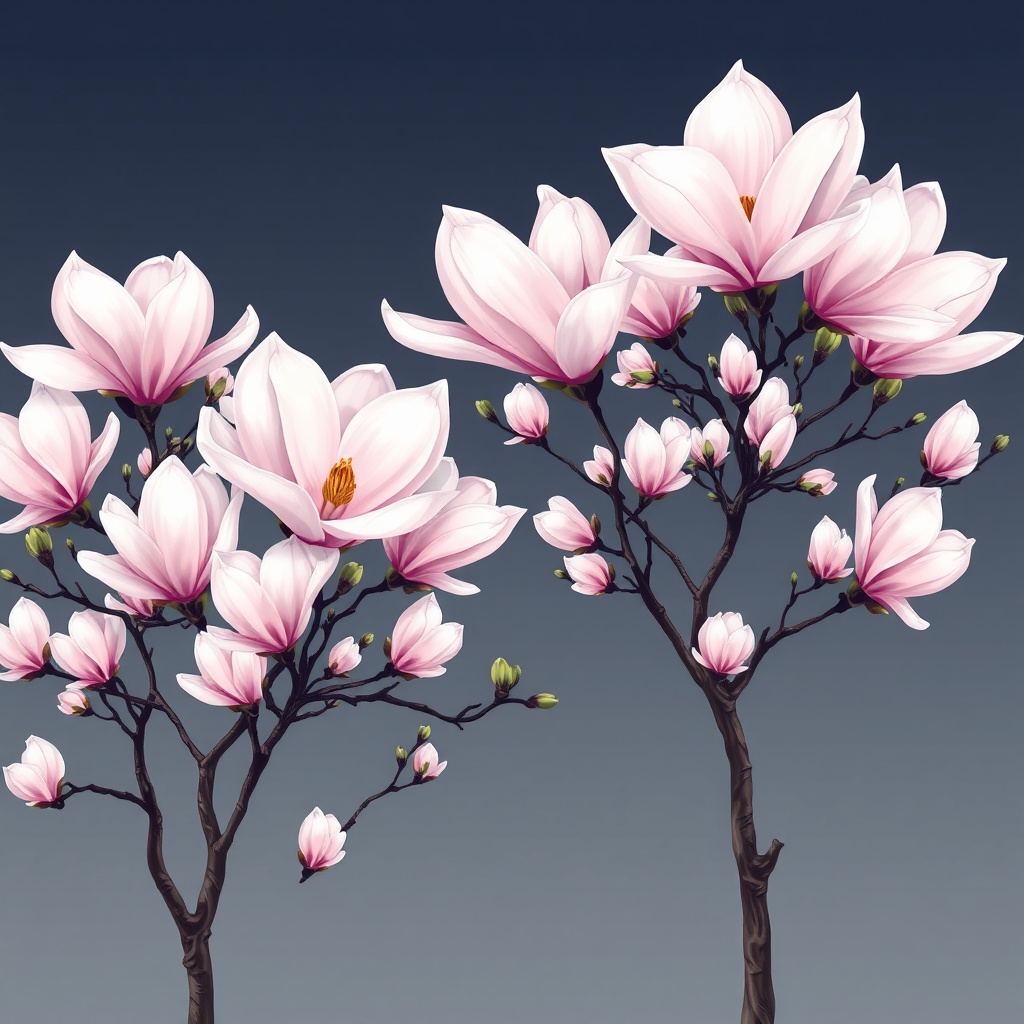
– Deciduous magnolias (such as saucer and tulip types) offer spectacular spring flowers and are popular as focal specimens in smaller gardens.
– Compact types and star magnolias work well for small yards and containers, while large species can reach extensive heights—pick a variety that fits mature space expectations.
Planting and site selection
Magnolias prefer a sheltered spot with morning sun and some afternoon shade, especially in hotter regions. Most thrive in rich, well-draining soil with consistent moisture. Avoid planting directly under power lines or too close to foundations—root systems and mature canopy size should guide spacing. An early planting in spring or fall is beneficial when the soil is workable.
Soil, watering, and mulching
Amend planting holes with organic matter to improve structure and water retention, but keep the root flare visible at the soil surface. New trees need regular deep watering for the first couple of seasons to establish strong roots—shallow, frequent watering encourages weak roots.
Apply a 2–4 inch layer of organic mulch around the drip line, leaving space at the trunk to prevent rot; mulch moderates soil temperature and retains moisture.
Fertilization and pruning
A light application of a balanced slow-release fertilizer in spring supports growth when soil tests indicate need. Many magnolias do not respond well to heavy pruning; prune minimally and only to remove dead, crossing, or diseased branches. For spring-flowering magnolias, prune immediately after blooming to avoid cutting off next season’s flower buds. When pruning is necessary, avoid cutting deep into old wood, since some magnolias resprout poorly from older tissue.
Pests and diseases
Magnolias are generally resilient but can face issues such as scale insects, thrips, and occasional fungal leaf spots in humid conditions.
Regular inspection helps catch problems early. Beneficial insects and good sanitation—removing fallen leaves and spent flowers—reduce disease pressure. For scale infestations, horticultural oils and targeted treatments are often effective; consult local extension resources for region-specific recommendations.
Propagation and maintenance tips
Magnolias can be propagated from seed, hardwood and semi-hardwood cuttings, or by layering; grafting is common for named cultivars to preserve desired traits. Protect young trees from lawn mower and string trimmer damage, and stake only if necessary to support unstable saplings.
Landscape uses and benefits
Beyond ornamental value, magnolias attract pollinators—beetles and bees are frequent visitors—and provide seasonal interest with dramatic flowers and textured foliage.
Their distinctive blooms and stately form make them a go-to choice for entryways, specimen plantings, and mixed borders.
With proper selection and basic care, a magnolia tree will reward the landscape with years of fragrant blooms and architectural beauty. Start with a variety suited to your site, prioritize good soil and consistent moisture, and prune sparingly to preserve the natural form.