
 Emma Jantzen
 Magnolia trees are prized for their dramatic blooms, glossy foliage, and fragrant presence in landscapes.
Magnolia trees are prized for their dramatic blooms, glossy foliage, and fragrant presence in landscapes. Whether you want a statement specimen for a lawn or a compact variety for a patio, understanding the main species and care needs makes success straightforward.
Why magnolias are special
Magnolias are ancient flowering trees with big, showy blossoms that often appear before leaves on many species.
Their flowers attract beetles rather than bees, a trait that speaks to their long evolutionary history. Many magnolias also offer memorable fragrance, making them popular near entrances, patios, and seating areas.
Choosing the right variety
– Magnolia grandiflora (southern magnolia): an evergreen with large, leathery leaves and big white flowers; ideal for warmer climates and as an evergreen screen.
– Magnolia x soulangeana (saucer magnolia): deciduous and known for large, cup-shaped blooms in pale pink, purple, or white; great as a focal flowering tree.
– Magnolia stellata (star magnolia): a smaller, early-flowering species with star-shaped petals; works well in small gardens or near foundations.
– Magnolia kobus and Magnolia sieboldii: offer delicate flowers and more compact habits for cool temperate gardens.
Site and soil
Magnolias prefer well-draining soil rich in organic matter.
They tolerate a range of soil pH but often perform best in slightly acidic to neutral conditions. Plant magnolias in a location with full sun to light afternoon shade. While many species tolerate full sun, protection from harsh late-afternoon heat helps extend bloom life in warm climates.
Planting and early care
Dig a hole about twice as wide and no deeper than the root ball. Place the tree so the root flare is slightly above ground level, backfill with native soil amended with compost, and water thoroughly to settle roots. Apply a 2–3 inch layer of mulch, keeping it pulled away from the trunk to prevent rot. New trees need regular watering through their establishment period; deep, infrequent watering encourages a strong root system.
Pruning and maintenance
Most magnolia varieties bloom on old wood, so prune immediately after flowering to avoid removing next season’s buds. Keep pruning minimal—magnolias generally respond poorly to heavy cutting. Remove dead or crossing branches, and focus on shaping young trees to establish a strong scaffold.
Feeding
Feed lightly in spring with a balanced, slow-release fertilizer if growth appears slow or leaves show nutrient deficiency. Excessive nitrogen can promote leafy growth at the expense of blooms, so follow package directions and test soil if unsure.
Pests and problems
Common issues include scale insects and thrips; monitor foliage and treat with horticultural oils or targeted controls when necessary.
Poor drainage can lead to root problems, and late frosts may damage early blooms on some species. Many magnolias are relatively disease-resistant but watch for leaf spots and manage with good air circulation and proper sanitation.
Propagation
Magnolias can be propagated from semi-hardwood cuttings, grafting, or seed. Seed-grown trees can take longer to bloom and may not come true to the parent, while grafted or own-root cultivars offer predictable size and bloom characteristics.
Landscaping tips
Use magnolias as a focal point, a fragrant backdrop near outdoor living areas, or a contrasting partner to smaller shrubs and perennials.
For small spaces, choose dwarf or compact cultivars and avoid planting too close to structures because of their mature spread.
A well-chosen magnolia rewards patience with spectacular blooms, attractive foliage, and lasting landscape presence.
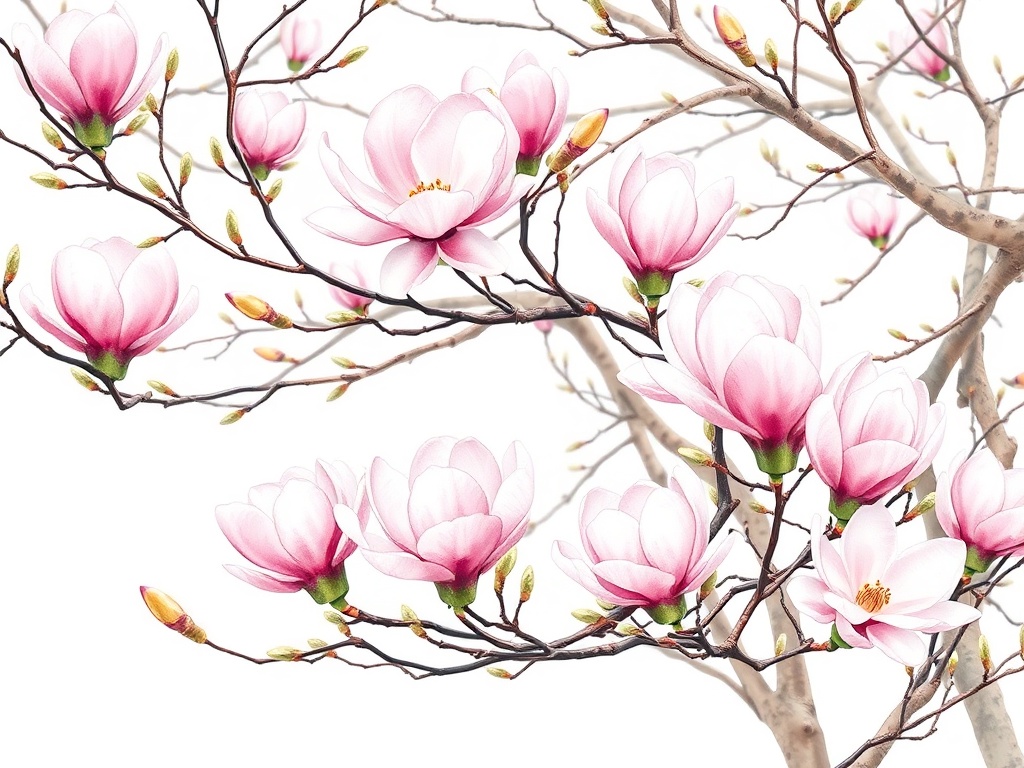
With the right variety and basic care, a magnolia can become a treasured part of the garden for decades.