
 Emma Jantzen
 Bayou Life: Guide to Wildlife, Cajun Culture, and Conservation
Bayou Life: Living with Water, Wildlife, and Rich Culture
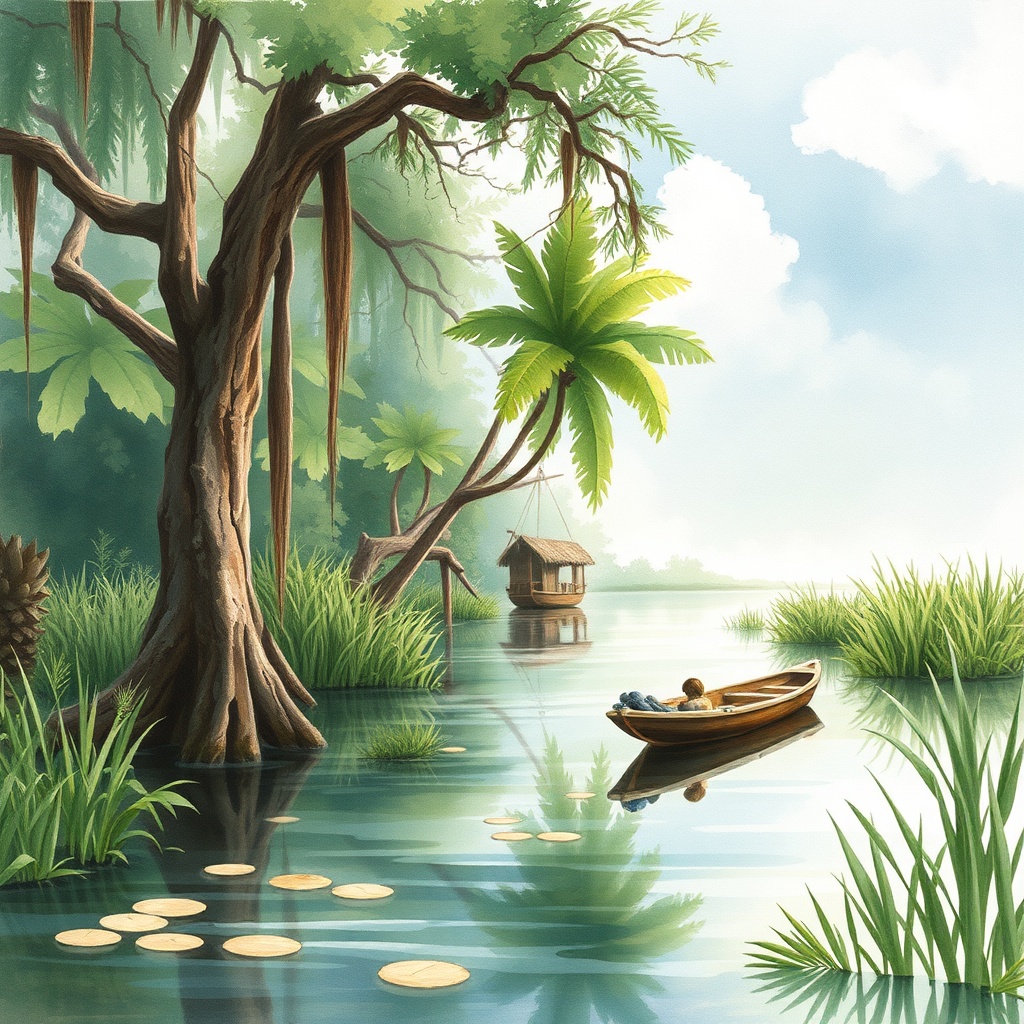
Slow, mirrored water. The soft drip of Spanish moss. A symphony of frogs, herons, and cicadas. Bayou life blends wildlife, foodways, and resilience—created by people who know how to live with the rhythms of water. Whether a visitor seeking a kayak trip or a neighbor sustaining a multigenerational way of life, there’s a lot beneath that surface.
Ecosystem essentials
Bayous are slow-moving waterways that connect swamps, marshes, and river systems. They act as natural flood buffers, filter runoff, and support high biodiversity. Cypress trees with their “knees” rise from tannin-stained water, creating habitats for fish and birds. The shallow, muddy bottoms nurture submerged grasses and invertebrates that feed larger species.
Migratory birds rely on bayous as stopovers. Healthy bayous mean healthier coasts and communities.
Wildlife to expect
Alligators are an iconic sight; they often bask near sunlit banks or glide silently beneath lily pads.
Wading birds—egrets, herons, ibises—probe the shallows for fish and crustaceans.
Turtles, otters, and a host of fish species thrive here, while amphibians and insects provide the soundtrack. Birdwatching in the early morning or at dusk yields the richest encounters. Respectful distance preserves both safety and the animals’ natural behaviors.
Cajun and Creole culture
Bayou communities shaped rich culinary and musical traditions. Gumbo, jambalaya, crawfish boils, and boudin reflect a fusion of Indigenous, French, African, and Spanish influences—ingredients drawn straight from the wetland landscape: shrimp, crab, oysters, rice, and local spices.
Music—swamp blues, zydeco, and accordion-driven dance tunes—often accompanies communal gatherings, and storytelling keeps local history alive.
Sustainable practices and stewardship
Bayou health depends on thoughtful stewardship. Sustainable fishing and crab or shrimp harvests prevent overfishing; avoiding single-use plastics and reducing nutrient runoff helps water quality. Many communities work with watershed groups and wildlife refuges to restore marshes and plant native vegetation.
Volunteer opportunities often include shoreline cleanups, invasive species removal, and citizen science monitoring that tracks water quality and wildlife.
Tips for visitors
– Choose guided tours with local operators who prioritize safety and conservation.
– Wear a life vest and be mosquito-aware—long sleeves and repellents help.
– Keep a safe distance from wildlife; never feed or harass animals.
– Pack out what you bring in—leave no trace.
– Support local businesses: a restaurant, a bait shop, or a guide contributes directly to the community.
Photography and respect
Golden-hour light through fog and Spanish moss creates stunning images, but remember to balance photography with patience. Move slowly, minimize noise, and avoid trampling vegetation.
Use a zoom lens rather than approaching wildlife. Ethical photography preserves the scene for others and the animals themselves.
Challenges and resilience
Bayou regions face challenges: altered water flow, pollution, invasive plants, and development pressure threaten habitats and livelihoods.
Yet resilience is strong. Local knowledge—how to read tides, where to set crab traps, when to plant rice—combined with science-based restoration efforts, creates a pathway forward.
Bayou life invites curiosity and humility. Whether paddling a quiet channel, savoring a spicy bowl of gumbo, or listening to an old song on a raised porch, there’s an enduring lesson: living with water requires respect, adaptability, and a commitment to protect the places that sustain both people and wildlife.