
 Emma Jantzen
 Bayou Life: The Rhythm of Water, Wildlife, and Community
Bayou Life: The Rhythm of Water, Wildlife, and Community
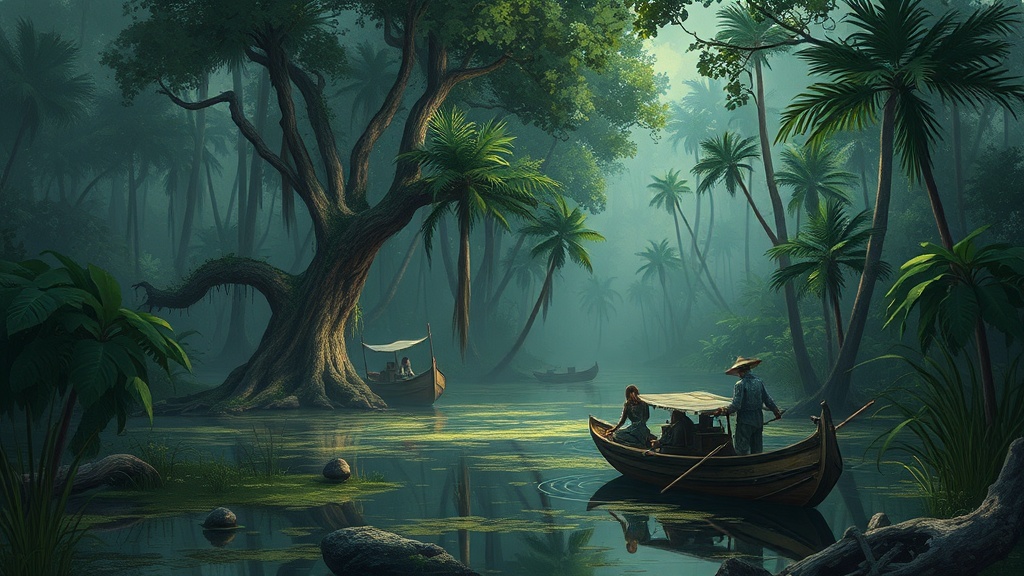
Bayou life blends slow-moving waterways, dense cypress stands, and communities shaped by water. Whether explored from a pirogue, at a community festival, or through the lens of a birdwatcher, the bayou offers a mix of ecology, cuisine, music, and resilience that attracts visitors and sustains locals.
Ecosystems and Wildlife
Bayous are shallow, often winding waterways that weave between marshes and bottomland forests. Their mix of fresh and brackish water supports a rich web of life: great blue herons and egrets hunt the shallows, rattling flocks of ibis and shorebirds punctuate the mudflats, and alligators slip through shadowed channels. Floating vegetation and submerged roots anchor nursery habitat for fish and shrimp, while turtles, frogs, and migratory songbirds rely on the bayou’s mosaic of habitats. Healthy bayous also act as natural filters, trapping sediments and improving water quality for downstream estuaries.
Cultural Heartbeat
People who live on the bayou have long adapted daily life to tides, seasons, and storms. Food is central: after a long day on the water, families gather for crawfish boils, gumbo, and boudin, dishes built from local catches and hard-earned tradition.
Music—Cajun and zydeco—keeps communities connected, with accordions, fiddles, and washboards setting the pace for dances and second-line parades. Small waterways and backroads are scenes of handshakes, yard sales, and festivals where stories are passed on from one generation to the next.
Sustaining the Landscape
The bayou faces environmental pressures that affect both wildlife and livelihoods. Erosion, saltwater intrusion, and altered river flows change vegetation and reduce marshland. These shifts impact fisheries, storm protection, and the cultural fabric of bayou towns. Conservation efforts focus on restoring marshes, reintroducing native plants, and creating living shorelines that stabilize banks. Community-led stewardship, paired with scientific monitoring, helps measure progress and prioritize actions that balance human needs with ecological recovery.
Recreation and Responsible Visiting
Ecotourism has grown as visitors seek fishing, birding, and guided boat tours. Best practice for visitors is to prioritize low-impact activities: travel with experienced local guides, avoid disturbing nesting birds and wildlife, and support small businesses for authentic experiences. Properly managed recreation can reinforce conservation goals while providing economic benefits to bayou communities.
Practical Tips for Enjoying the Bayou
– Pack insect repellent and sun protection—shade is abundant but so are mosquitoes during warm months.
– Wear water-friendly footwear for mudflats and boat docks.
– Learn from locals—fishermen and guides offer insights into safe routes, good fishing spots, and cultural etiquette.
– Take photos but leave artifacts and plants in place; the smallest disturbance can damage fragile habitats.
The bayou remains a place of contrasts: fragile yet tenacious, quiet yet alive with culture.
For those who respect its rhythms, it offers a deep connection to nature and community—and a reminder that protecting these waterways preserves much more than scenery.