
 Emma Jantzen
 Gulf Seafood Guide: Flavor Profiles, Buying Tips & Sustainable Practices
Gulf seafood offers a mix of bold flavor, coastal tradition, and important environmental considerations. From plump shrimp and buttery oysters to flaky snapper and meaty grouper, the Gulf’s harvest is central to regional cuisine and increasingly sought after by chefs and home cooks nationwide. Knowing how to choose, prepare, and support responsible practices ensures great taste and long-term availability.
Popular Gulf species and flavor profiles
– Shrimp: Versatile and mild, Gulf shrimp work in everything from grills to gumbo. Wild-caught varieties are prized for texture and flavor.
– Oysters: Briny, creamy, and often enjoyed raw or lightly cooked; Gulf oysters come from both wild reefs and aquaculture farms that help rebuild coastal habitats.
– Snapper and grouper: Firm, flaky white fish ideal for grilling, baking, or frying.
They carry classic coastal flavors that pair well with citrus and herbs.
– Blue crab and stone crab: Sweet, delicate meat perfect for crab cakes, bisques, or simply steamed with seasoning.
– Scallops and clams: Sweet, tender options that cook quickly and absorb complementary sauces and spices.
Sustainability and stewardship
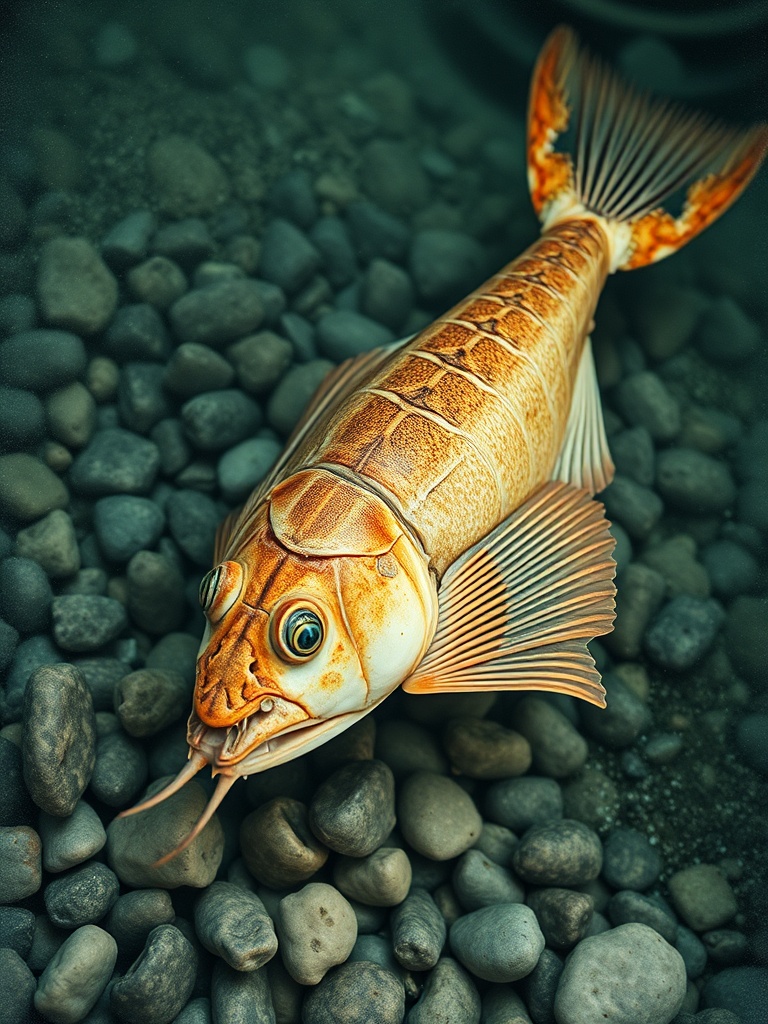
Sustainable fishing is a priority for maintaining fish populations and coastal economies.
Practices that reduce bycatch and protect sensitive habitat—such as modified trawling gear and managed seasons—help safeguard ecosystems.
Oyster aquaculture and reef restoration are especially effective: oysters filter water, reduce nutrients, and create habitat for fish and crustaceans. Look for seafood sourced through responsible fisheries, local harvesters who prioritize best practices, and community-supported fisheries that connect consumers directly with small-scale fishers.
Health, safety, and handling
Gulf seafood is nutritious—high in protein, omega-3 fatty acids, and essential micronutrients. Some larger predatory fish can accumulate mercury, so pregnant people and young children should choose lower-mercury options like shrimp, oysters, clams, and scallops more often. Proper handling keeps seafood safe: keep shellfish and fish chilled from purchase through cooking, and follow recommended cooking temperatures to eliminate foodborne risks.
Local health agencies and regulatory bodies monitor seafood safety and post advisories when necessary; ask your fishmonger if there are local advisories for specific harvest areas.
Buying tips
– Ask the source: Ask where and how your seafood was caught or raised. Local harvesters often provide traceable information and seasonal recommendations.
– Prefer chilled over frozen when freshness matters, but frozen seafood can be a safe, convenient alternative when flash-frozen soon after harvest.
– Consider buying from reputable brokers, fish markets, or community-supported fisheries that prioritize transparency and fair prices for fishers.
– During peak seasons, buy whole fish or larger quantities to save and freeze portions for later.
Simple cooking ideas
– Pan-seared gulf fish with lemon-caper butter showcases delicate white fish.
– Grilled shrimp brushed with a garlic-citrus marinade finishes fast and bright.
– Steamed oysters topped with a light mignonette or broiled with breadcrumbs preserve natural brininess.
– Classic seafood stews and chowders let mixed Gulf catches shine with aromatics and tomatoes.
Supporting coastal communities
Buying Gulf seafood supports local economies, keeps traditions alive, and encourages stewardship of marine resources. When consumers choose responsibly sourced seafood and ask questions about origin and practices, they help create market incentives for sustainable fishing and habitat restoration. Enjoy the rich flavors of the Gulf while helping ensure healthy waters and productive fisheries for future dinners.