
 Emma Jantzen
 Bayou Life: A Visitor’s Guide to Wildlife, Cuisine & Conservation
Bayou life blends a slow, watery rhythm with resilient culture and rich biodiversity. Whether you’re paddling a quiet channel at dawn or listening to zydeco drifting from a riverside porch as the sun sets, the bayou offers a sensory world unlike any other.
What makes the bayou unique
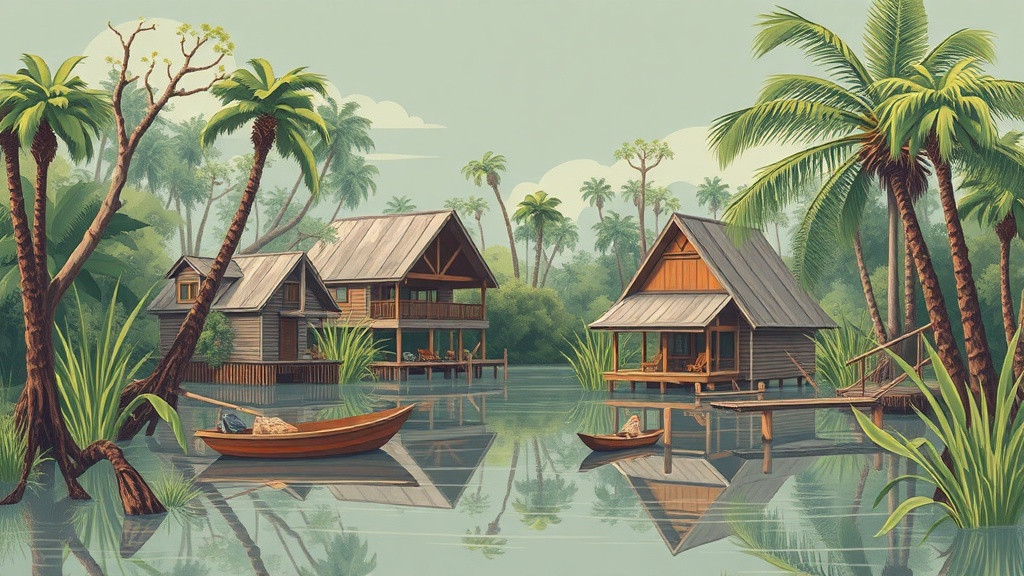
Bayous are slow-moving waterways, where cypress knees rise like sentinels and Spanish moss drapes trees in silver-green curtains. Freshwater marshes and brackish estuaries host a mosaic of habitats—deep channels, flooded forests, and reed-lined banks—that support an astonishing variety of species.
The interplay of freshwater and salt influences makes bayous especially productive and ecologically important.
Wildlife to watch for
Birdwatchers will find egrets, herons, ibises, and migratory songbirds among the most visible residents. Raptors like ospreys patrol fish-filled waters. Beneath the surface, catfish, bass, and sunfish thrive alongside shrimp and crabs in brackish zones. Reptiles such as turtles and alligators are iconic bayou inhabitants; sighting one is more likely than not on a quiet morning. Small mammals—including raccoons and river otters—use the tangled shoreline for feeding and shelter.
Bayou cuisine and culture
Bayou food is an expression of place: bold, communal, and rooted in local harvests.
Gumbo, jambalaya, and crawfish boils reflect a blend of Indigenous, French, African, and Spanish influences. Seafood is central—oysters, shrimp, and crab are often prepared simply to showcase freshness. Music and language also reflect a deep regional identity: fiddles, accordion-driven rhythms, and Creole and Cajun dialects are woven into daily life, from fish camps to festivals.
Sustainable livelihoods and challenges
Fishermen, boat builders, and guides depend on bayou health for their livelihoods, so conservation and economy are tightly linked. Bayous face threats from shoreline development, pollution from upstream runoff, and saltwater intrusion that can stress freshwater vegetation. Habitat fragmentation and invasive species create additional pressures.
These challenges impact both wildlife and communities, making stewardship a shared priority.
Conservation in action
Local organizations, scientists, and community members often collaborate on solutions that balance human use with ecosystem health. Techniques like living shorelines, marsh restoration, and oyster reef construction help stabilize banks, improve water quality, and provide habitat.
Community science programs invite residents and visitors to monitor bird populations, water clarity, and fish runs—an effective way to build stewardship and gather actionable data.
Tips for visiting responsibly
– Choose guided tours led by local, licensed naturalists or captains—these tours minimize disturbance and enhance learning.
– Stay on marked channels and avoid venturing into sensitive marshes on foot.
– Pack insect repellent, sun protection, and waterproof footwear.
– Do not feed wildlife; human food disrupts natural behavior and can create dangerous situations.
– Support local businesses and fishers by buying locally sourced seafood and crafts.
Why bayous matter
Bayous act as natural filters, nurseries for fisheries, and buffers against storms. Their cultural traditions and livelihoods are intertwined with ecological processes. Protecting these waterways preserves both biodiversity and a way of life shaped by water. Visitors who approach the bayou with curiosity and respect can help ensure these landscapes remain vibrant and resilient for generations to come.
Plan a visit with an eye toward learning and conservation: the bayou rewards careful attention with unforgettable wildlife encounters, flavorful cuisine, and stories that flow as deeply as the water itself.