
 Emma Jantzen
 Cajun Cooking Made Easy: Essential Ingredients, Roux Tips, Gumbo & Jambalaya
Cajun cooking is about bold flavor, simple techniques, and a sense of place.
Rooted in the rural kitchens of Louisiana, it celebrates humble ingredients elevated by slow cooking, smoky meats, and a careful balance of heat and seasoning. Whether you’re building a weeknight gumbo or experimenting with jambalaya, understanding a few core principles makes Cajun recipes approachable and deeply satisfying.
Core ingredients and pantry essentials
– The holy trinity: onion, celery, and green bell pepper form the aromatic base of most Cajun dishes. Dice them finely and sweat gently to release flavor without browning.
– Roux: a cooked mixture of fat and flour used to thicken and add depth.
Roux ranges from blond (light thickening) to dark brown (nutty, smoky notes) depending on cooking time and heat.
– Smoked meats: andouille sausage, smoked ham hocks, or tasso add smoky backbone. If unavailable, a good smoked sausage or a bit of liquid smoke can help replicate that profile.
– Spices: cayenne, paprika, black pepper, and thyme are staples. File powder (ground sassafras) and bay leaves add traditional finishing notes.
– Seafood and rice: shrimp, crab, oysters, and long-grain rice pair naturally with Cajun sauces and stews.
Techniques that transform flavor
– Build in layers: start with the holy trinity, add garlic, then browned proteins, and finish with stock. Each step contributes a layer of complexity.
– Master the roux: use a heavy-bottomed pot over medium-low heat. Stir constantly with a wooden spoon, scraping the bottom to prevent burning. Longer cooking yields a darker, more caramelized flavor; adjust timing according to the dish.
– Deglaze for depth: after browning meat, deglaze the pan with stock, water, or a splash of dry white wine to lift fond and deepen the sauce.
– Low and slow simmering: gumbo and stews benefit from gentle simmering, which melds flavors and tenderizes tough cuts.
– Finish with acid and fresh herbs: a squeeze of lemon or a splash of vinegar brightens rich dishes. Garnish with green onions and parsley for freshness.
Signature dishes and variations
– Gumbo: a thick, spoonable stew often made with a dark roux, okra or file as a thickener, and a mix of meats and seafood. Serve over hot steamed rice.
– Jambalaya: a hearty one-pot rice dish where the rice cooks in seasoned stock with meat, sausage, and/or seafood. Two main styles exist: one where rice cooks with the other ingredients until fluffy, and another that resembles a creole approach with tomato base.
– Étouffée: “smothered” seafood or chicken in a rich, roux-thickened sauce served over rice—delicate, buttery, and deeply seasoned.
Practical tips for home cooks
– Start with a small-batch roux practice—it’s forgiving and a skill that improves quickly.
– Use a cast-iron Dutch oven or heavy pot to maintain steady heat for browning and simmering.
– Taste frequently and season in layers rather than only at the end.
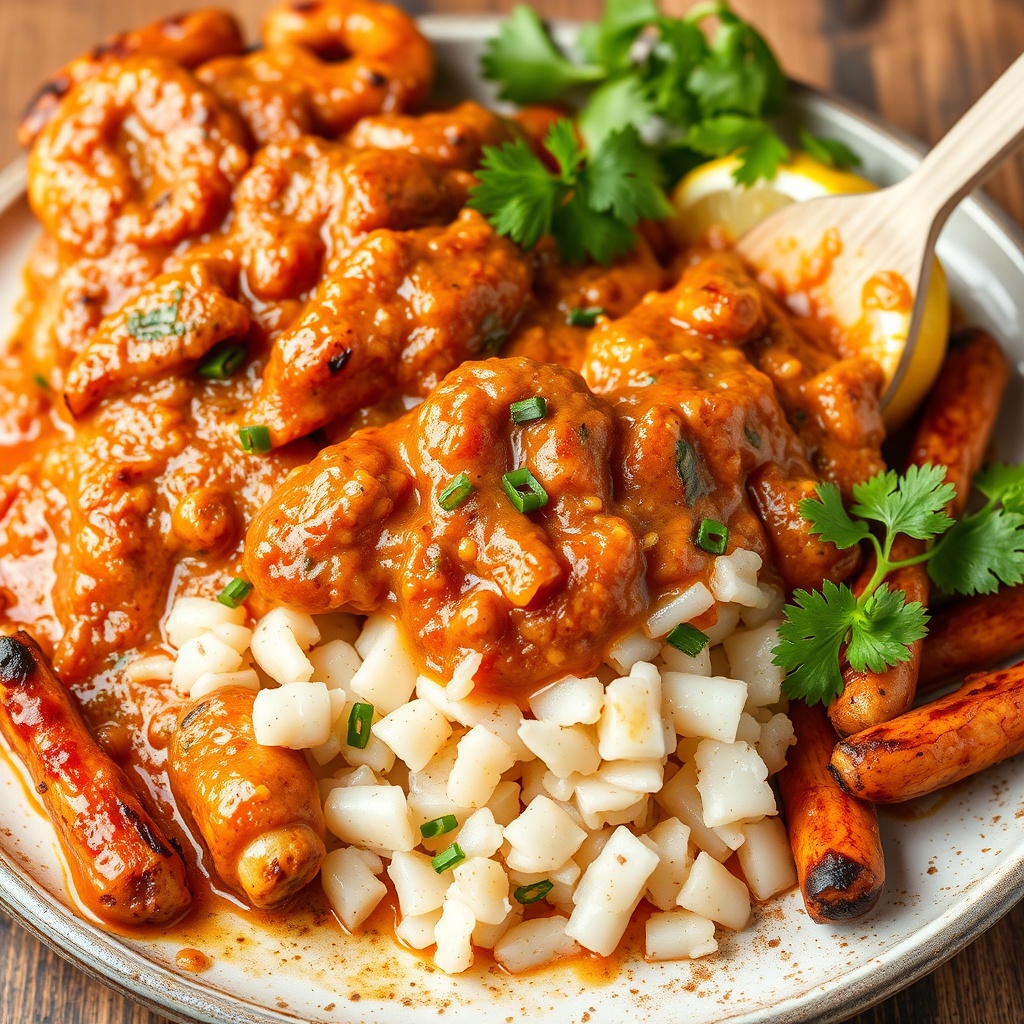
– Make extra: stews and gumbos often taste better the next day as flavors meld. Freeze portions (store rice separately) for easy reheats.
Cajun cooking is accessible, adaptable, and centered on bold taste made from modest means. With a reliable roux, the holy trinity, and a few smoky ingredients, you can bring the spirit of a Louisiana kitchen to your own table and enjoy deep, comforting meals any night of the week.