
 Emma Jantzen
 Cajun Cooking Essentials: Master the Trinity, Roux & Classic Recipes (Gumbo, Jambalaya)
Cajun cooking is the backbone of comforting, boldly seasoned food from the Gulf Coast—simple techniques, humble ingredients, and deep, satisfying flavors. Rooted in a blend of French, Spanish, African, and Native influences, Cajun cuisine emphasizes slow-cooked dishes, smoky sausages, and vibrant spice blends that are easy to adapt for home kitchens.
The essentials: trinity, roux, and stock
At the heart of many Cajun dishes is the “trinity”: onion, bell pepper, and celery. These three aromatics form the flavor base for gumbo, jambalaya, étouffée, and countless one-pot meals. A good stock—chicken, seafood, or a combination—is the next building block.
Simmer bones or shells, season lightly, and strain for a cleaner finish.
Roux is where technique meets patience. Use equal parts fat and flour, and cook slowly over medium-low heat while stirring constantly. The color ranges from blond to dark chocolate; darker roux yields nutty, complex flavors but less thickening power.
Vegetable oil or clarified butter resists burning better than whole butter. If a dark roux is new to you, practice in a well-ventilated area and keep a wooden spoon handy.
Signature dishes and swaps
– Gumbo: A rich, roux-thickened stew often finished with okra or file powder. Proteins vary—seafood gumbo, chicken-and-andouille, or a hearty combination. If fresh okra isn’t available, frozen works well; add file powder at the end for a different texture.
– Jambalaya: A one-pot rice dish that soaks up spices and stock. Two common approaches are a tomato-forward style and a browner, skillet-first version—both delicious.
– Étouffée: Often made with shellfish over rice, it’s a silky, roux-based sauce that sings with cayenne and lemon.
– Sausages: Andouille and boudin are staples. If authentic andouille is hard to find, smoked sausage or kielbasa can stand in, while boudin’s rice-and-pork mix can be approximated with seasoned pork and cooked rice.
Cajun seasoning and blackening
A homemade Cajun rub typically combines paprika, cayenne, garlic powder, onion powder, dried thyme, oregano, salt, and black pepper. Adjust heat to taste. Blackening is high-heat cooking (often in cast iron) where seasoned protein is seared quickly for a deeply charred crust—use clarified butter, high heat, and ventilation to manage smoke.
Pantry checklist
– Long-grain white rice
– All-purpose flour and a neutral oil
– Smoked sausage or andouille
– Canned tomatoes (for some jambalayas)
– File powder and dried thyme/oregano
– Cajun spice blend or ingredients to mix your own
Practical tips for home cooks
– Start your roux early and never rush it; low heat prevents burning and builds flavor.
– Taste as you go—balance salt, acid (lemon or vinegar), and heat.
– Use a heavy pot or cast iron for even heat and better fond development.
– Gumbo often tastes better the next day; refrigerate and reheat gently with a splash of stock if it thickens too much.
– For lighter versions, reduce oil, use lean proteins, and bulk with vegetables like okra, bell peppers, or greens.
Pairings and serving
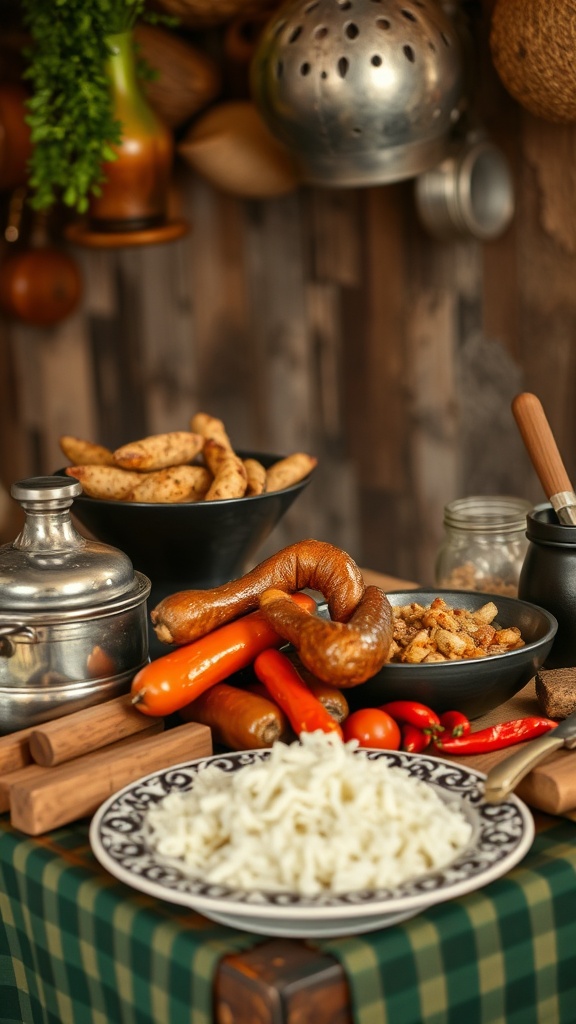
Serve Cajun dishes over fluffy rice, with crusty French bread, or alongside simple slaws to cut richness. Crisp lagers, citrus-forward whites, or a glass of bourbon work well with the bold, smoky flavors.
Try a small, confident recipe—make a basic chicken-and-andouille gumbo or a skillet jambalaya—to get comfortable with trinity and roux.
Once those skills are mastered, improvisation becomes the most joyful part of Cajun cooking.